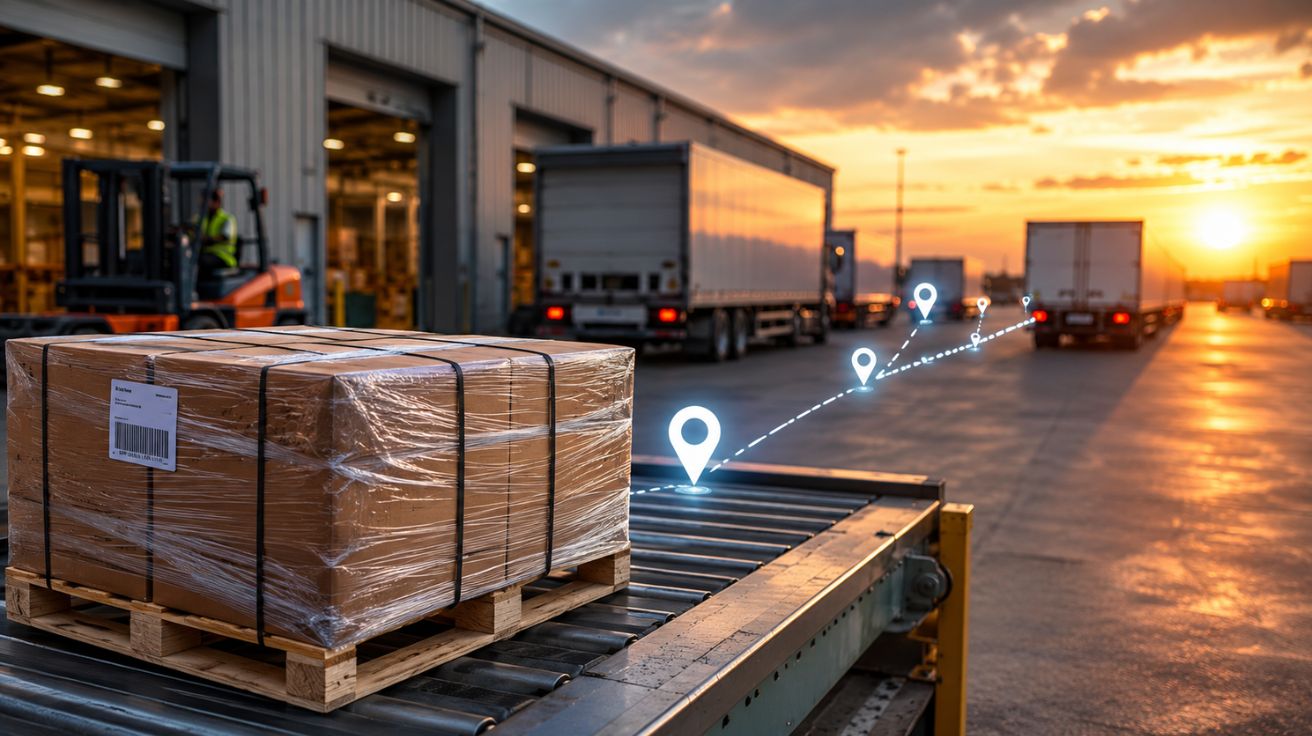

Most businesses ship pallets and just hope for the best. You load it, the driver takes it, and then it’s out of your hands. But a lot goes on between drop off and delivery that nobody really explains.
Why visibility matters more than people think
Once a pallet is on a network, it might pass through two or three depots before it reaches its final stop. Each handover is a chance for something to go wrong. A label falls off, a scan gets missed, or it just sits on the wrong dock for a day. None of this is dramatic on its own, but add it up and you get late deliveries and annoyed customers asking where their stuff is.
This is where pallet network tracking comes in. It’s not glamorous. It’s just knowing where the thing actually is at any given point, rather than guessing.
The bit nobody tells you about depots
Depots are busy places. Hundreds of pallets moving through in a day, sometimes more depending on the time of year. Staff are working fast, and mistakes happen because that’s what happens when humans are under pressure. A pallet can get put on the wrong lorry. It’s rare but it does happen, and when it does, you want a system that flags it quickly rather than a customer ringing up three days later asking why their delivery never turned up.
Scans and checkpoints
Every time a pallet moves, it should get scanned. Sounds simple. It isn’t always done properly though, and that’s usually down to time pressure rather than carelessness. The more checkpoints there are, the easier it is to spot where something’s gone off track. Fewer checkpoints means more guesswork if a problem crops up.
Why this matters for smaller businesses
If you’re a smaller operation without your own fleet, you’re relying on a network to get your goods where they need to go. You don’t have direct control over the lorry or the driver. What you can control is who you use and how much visibility they give you once it’s left your hands. That’s really the whole point of tracking, it gives you back a bit of the control you’d otherwise lose.
Delays happen, that’s just logistics
Weather, traffic, a depot running behind, there’s always something. You can’t stop delays entirely. What you can do is know about them early enough to tell your customer before they find out themselves. Nobody likes being the last to know their own delivery is late.
Some firms treat tracking as a nice extra. Others build the whole operation around it. SW Group is one of those that leans more towards the second approach, using tracking data to flag issues before they turn into bigger ones. It doesn’t fix every problem, but it means fewer surprises.
What good tracking should actually give you
It’s not about fancy dashboards or flashy apps. A good system should tell you three things, where the pallet is, whether it’s on schedule, and if not, why not. That’s genuinely most of what matters.
If a system can’t answer those three questions clearly, it’s not doing its job properly, no matter how nice it looks.
Communication is the other half
Tracking data is only useful if someone actually looks at it and acts on it. A system that flags a delay but nobody checks is pointless. The best setups pair tracking with a person who’ll actually pick up the phone and tell you what’s going on, rather than leaving you to check a portal that hasn’t updated in six hours.
So is it worth caring about
Yes, mostly because the alternative is not knowing, and not knowing is stressful when your customers are asking you questions you can’t answer. You don’t need to obsess over every scan or checkpoint. You just need a partner that takes it seriously enough that you don’t have to.
It won’t stop every delay or every mix up. Nothing does. But it should mean fewer nasty surprises and a lot less time spent chasing answers that should’ve been available already.
Read More: How Manchester Businesses Are Getting Smarter About Deliveries


Leave a Comment