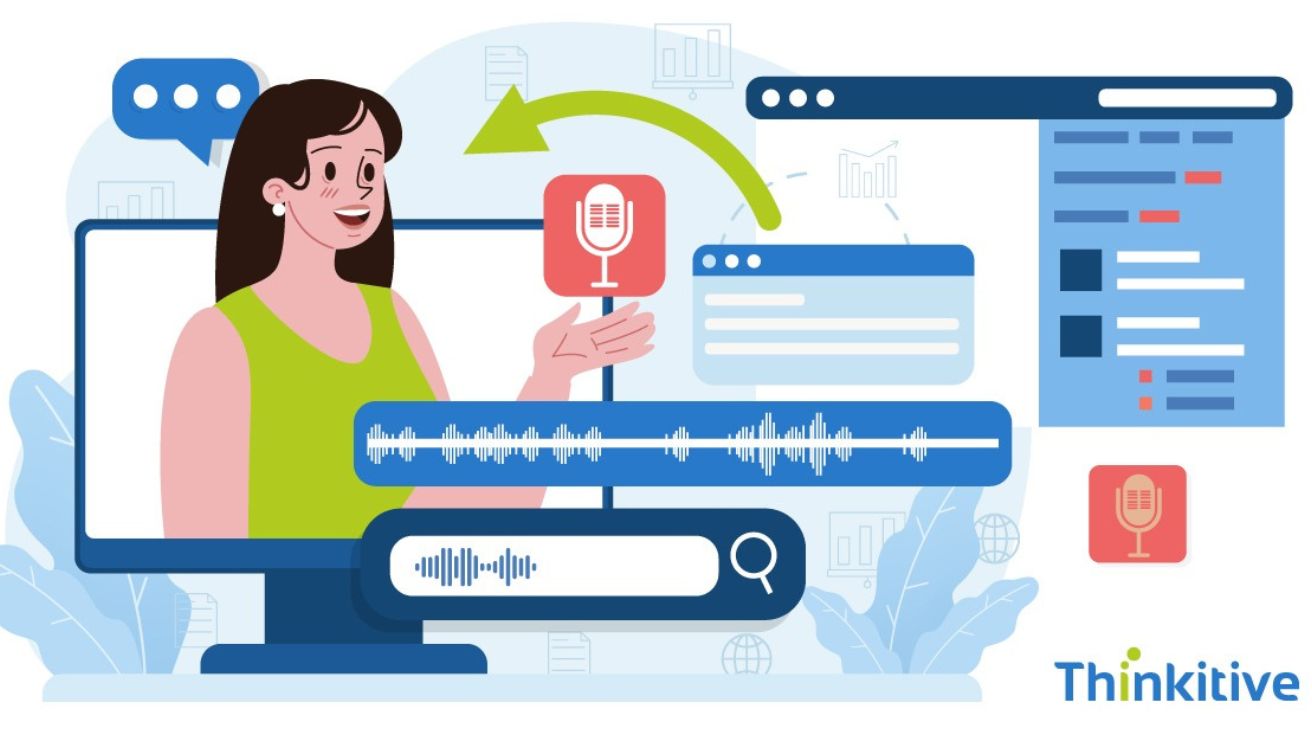

It is a fact that the average physician generates thousands of clicks during a typical workday. Even though each click may take a few seconds, together it ends up spending hours on navigating EHR screens, completing forms, and updating records.
Over time, this continuous documentation workload becomes more than just a productivity issue; it becomes a major source of frustration and burnout.
Traditional EHR systems are at the heart of this problem, as they depend heavily on manual data entry, dropdown menus, and repetitive workflows. Many healthcare organizations are realizing that the old way of charting is no longer enough, as patient volumes continue to grow and documentation requirements become more demanding.
This is exactly where conversational AI in healthcare starts to change the game. As part of custom EHR software development, voice-powered EHR capabilities enable clinicians to document encounters naturally through speech, reducing administrative burden, improving clinical documentation efficiency, and creating a more seamless interactive medical charting experience.
Let’s explore our blog to understand how voice-powered EHRs are helping providers spend less time clicking and more time caring for patients.
Why Click-Based EHR Workflows Are Failing Providers
Electronic health records were introduced to simplify documentation and improve access to patient information. As they have made record-keeping more organized, they have also created too many clicks. Clinicians spend most of their time navigating screens, rather than focusing on patients. For example, from opening charts and selecting templates to entering notes and updating records.
This can further lead to what many providers call “click fatigue.” At first, it seems like a few clicks are not like much, but when they add up across dozens of patient encounters, they can become a significant drain not only on time but also on energy. Rather than having a natural conversation with patients, clinicians can find themselves switching between listening, typing, and clicking through multiple screens.
The impact of it goes beyond frustration. It can result in longer documentation time, incomplete documentation, and growing administrative workloads. Furthermore, when charting falls behind, it can result in delayed billing, slow care coordination, and unnecessary stress. This makes one thing clear: providers need documentation tools that will work with them, and not against them.
This growing demand for seamless and more intuitive experiences is one of the key reasons why healthcare organizations are exploring voice-powered documentation solutions.
How Voice-Powered EHR Systems Work
To understand the value of voice-powered EHRs, it is important to first look at how they differ from traditional voice tools. Older speech-to-text systems can simply convert spoken words into text. Even though this can reduce typing, clinicians still need to dictate carefully, organize information, and spend more time editing the final note.
Modern conversational AI in healthcare takes things a step further. Rather than only transcribing words, it also understands the context of a conversation and can turn it into structured clinical documentation. The system can further recognize symptoms, medications, diagnoses, treatment plans, and other key details. After this, the system also places this information into the appropriate sections of the patient’s chart.
Moving forward, voice-powered EHRs also support hands-free navigation and interactive medical charting. By using voice commands, providers can use open records, review results, update charts, or place orders without constantly switching between screens. This can help to create a more natural workflow while reducing the number of clicks required during a patient visit.
The biggest advantage of it is how documentation is created. Instead of building a note from scratch after an appointment, clinicians can have much of the documentation generated automatically during the conversation. They simply review, make any necessary adjustments, and sign off on the final note.
Consider a patient visit for knee pain. In a traditional workflow, the physician may spend time clicking through multiple screens to document findings, order an X-ray, and complete the assessment. With a voice-powered EHR, the physician can simply say, “Order a left knee X-ray” while continuing the conversation with the patient. By the end of the visit, a structured note is already prepared for review. The focus stays on the patient, not the keyboard—a clear example of how the voice-powered EHR beyond the click documentation approach is changing everyday clinical workflows.
Key Benefits of Voice-Driven Clinical Documentation
The headline benefit is clinical documentation efficiency. By replacing repetitive clicks and typing with natural speech, voice-driven systems cut the administrative workload that consumes so much of a clinician’s day. Notes that once took ten minutes of typing can be reviewed and signed in a fraction of the time.
That speed compounds. Faster chart completion means higher patient throughput — clinicians can see patients without the documentation backlog piling up behind them. Studies of ambient and voice documentation tools bear this out: in a 2024–2025 UCLA randomized trial, physicians using an ambient scribe reduced their time per note, and one participating health system reported roughly 30 fewer minutes of documentation per provider each day.
For a practice administrator, that efficiency has a direct line to capacity and revenue. Reclaiming even 30 minutes per provider each day can mean room for additional visits or simply the end of documentation overtime that drives staff turnover — a meaningful shift in the economics of a clinic without adding headcount.
The quality of the record improves, too. Capturing the natural conversation tends to produce more detailed and accurate patient records than terse, click-built notes. Just as important is the human impact: with less time spent on screens, physicians regain focus and engagement, and after-hours documentation shrinks — Mass General Brigham reported that ambient documentation cut burnout prevalence by more than 20 percentage points among participating clinicians. And because the clinician is no longer buried in the keyboard, patient-provider communication during the visit improves, with more eye contact and real listening.
Integration, Security, and Implementation Considerations
Voice systems handle spoken protected health information, so HIPAA compliance and secure voice data processing are non-negotiable. Buyers should confirm how audio is encrypted, where it is processed and stored, whether recordings are retained or discarded, and whether the vendor will sign a Business Associate Agreement. Patient consent practices should be defined before go-live.
Integration determines whether the tool actually saves time. A voice system that can’t write back into the chart only adds steps, so it must integrate cleanly with existing legacy EHR systems and cloud healthcare platforms, sending finished notes and orders into the right fields. Organizations evaluating options should verify integration with their specific EHR before committing, and many work with experienced ambient voice AI medical scribing partners to connect the technology to their clinical systems.
Adoption is as much about people as technology. Staff training and customizable voice workflow setup—letting clinicians tailor commands and note templates to their specialty—makes the difference between a tool that sticks and one that gets abandoned. Finally, the real world is noisy and varied, so a serious solution must handle background noise, diverse accents, and specialty-specific terminology reliably. Testing the system in actual clinical conditions, not a quiet demo room, is essential.
The Future of Voice-Powered Healthcare Workflows
The clear trend is toward ambient, hands-free systems that fade into the background of care. Instead of issuing commands, clinicians will increasingly just practice medicine while the technology listens, documents, and surfaces what is needed — extending voice from a documentation tool into an always-available clinical assistant.
Reach is widening, too. Multilingual capabilities are helping practices serve diverse patient populations and ease the strain of interpreted visits, while specialty-specific applications learn the vocabulary and note styles of fields from cardiology to behavioral health, rather than offering one generic template. Layered on top, predictive AI and intelligent charting automation will begin suggesting orders, flagging gaps, and pre-populating documentation for review. Taken together, these advances point to voice-powered EHR beyond click documentation becoming a core pillar of digital healthcare transformation rather than a niche convenience.
Conclusion
The click-heavy EHR has quietly become one of the biggest drains on clinician time and satisfaction. Voice-powered systems offer a way out — not by adding another tool to learn, but by letting clinicians return to something they already do well: talking with their patients.
By turning natural conversation into structured documentation, these systems improve efficiency, sharpen the record, and give providers back hours that used to disappear into charting.
For providers, administrators, and decision-makers, the takeaway is practical. Moving beyond click-heavy workflows is no longer a futuristic ambition; it is a proven, available way to reduce burnout and improve both throughput and care. Reclaiming physician time with interactive voice charting tools is how forward-looking organizations turn documentation from a daily burden into a quiet, reliable background process and refocus their teams on the people they are there to help.
Partnering with a custom EHR software development company can help healthcare organizations implement and customize these voice-powered capabilities to fit their unique workflows and clinical needs.
Frequently Asked Questions
What is a voice-powered EHR system?
It is an EHR that lets clinicians use their voice instead of clicks and typing by using conversational AI to navigate the chart, issue commands hands-free, and turn natural spoken conversation into structured clinical notes and orders.
How does conversational AI improve clinical documentation efficiency?
It understands natural speech and clinical context, so a normal conversation becomes a structured note automatically. That removes repetitive clicking and typing, letting clinicians review and sign documentation rather than build it from scratch — saving significant time per visit.
Can voice-powered EHR systems reduce physician burnout?
Yes. Documentation and after-hours charting are major drivers of burnout, and studies of ambient and voice tools link them to meaningful reductions — Mass General Brigham reported burnout falling by more than 20 percentage points among participating clinicians using ambient documentation.
How accurate is interactive medical charting technology?
Modern systems are highly accurate because they capture the actual conversation and understand the clinical context. Still, output is a draft: the clinician must review and sign every note to catch any misinterpretation before it enters the record.
Are voice-driven healthcare applications HIPAA compliant?
Reputable tools are built for HIPAA, with encrypted audio, secure processing and storage, defined retention policies, and Business Associate Agreements. Compliance varies by vendor, so organizations should verify each tool’s security and data-handling practices before adopting it.
Can voice-powered EHR platforms integrate with legacy healthcare systems?
Many do, connecting to existing EHRs and cloud platforms so finished notes and orders flow into the right fields automatically. Integration depth varies by system and version, so confirm compatibility with your specific EHR before committing.
What are the benefits of hands-free clinical documentation?
It reduces administrative workload, speeds chart completion, improves note detail and accuracy, cuts after-hours charting, and lets clinicians keep their attention on the patient instead of the keyboard — improving both efficiency and the quality of the visit.
How does conversational AI handle accents and background noise in healthcare settings?
Advanced systems are trained on diverse voices and real clinical audio to manage accents, crosstalk, and noise, though performance varies by product. Testing a tool in actual clinical conditions—not a quiet demo—is the best way to confirm reliability.
Read More: Smart Monitoring Tools: AI Tools That Are Changing How Workers Are Tracked


Leave a Comment