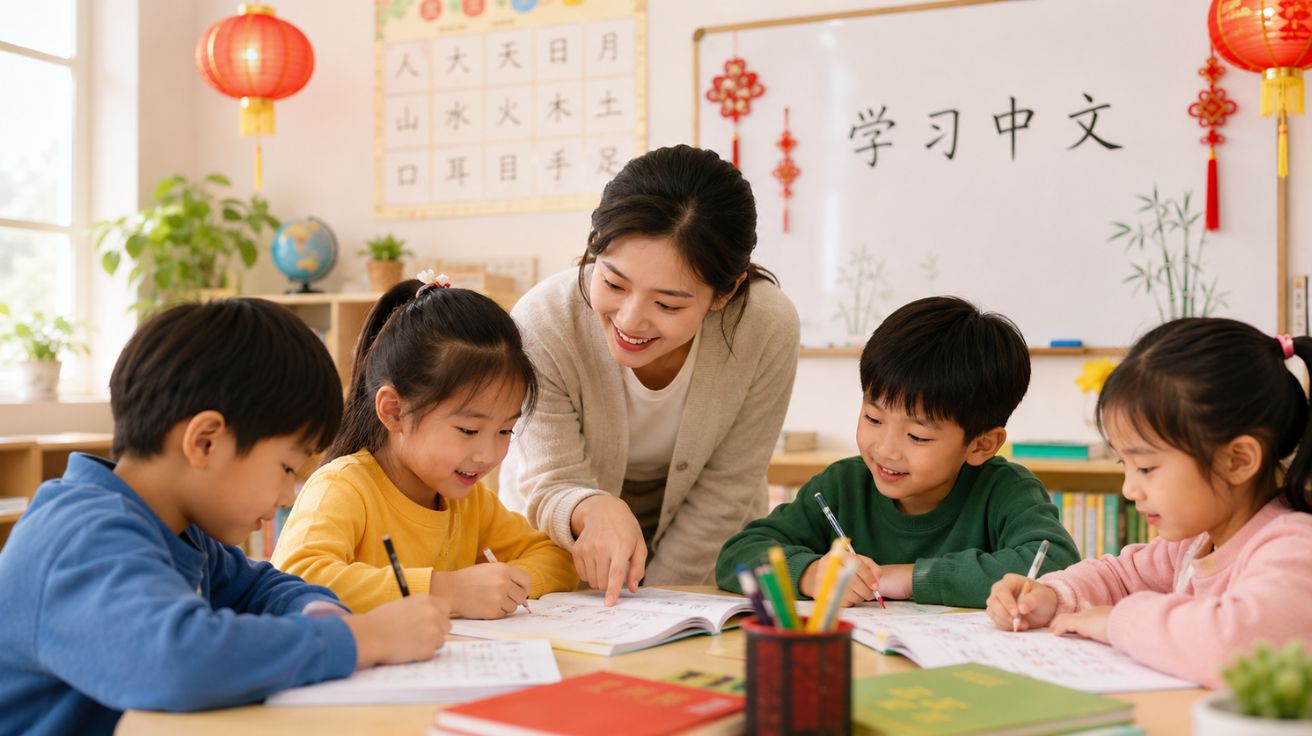

As globalization continues to shape our world, the demand for bilingual education, particularly in Mandarin Chinese, has surged. Parents seeking to equip their children with linguistic skills that facilitate cross-cultural communication are increasingly turning to P3 (Primary 3) Chinese classes. However, with a multitude of programs available, selecting the right class can be a daunting task. This comprehensive guide aims to demystify the process, offering insights into crucial factors to consider when evaluating P3 Chinese classes. From understanding curriculum standards and teaching methodologies to assessing instructor qualifications and student-teacher ratios, each element plays a pivotal role in your child’s learning experience. Furthermore, we will explore the importance of cultural immersion and interactive learning environments, which are essential for developing not only linguistic proficiency but also a genuine appreciation for Chinese culture. Give your child a strong foundation in Mandarin with a P3 Chinese class at Mandarin Stars, where engaging lessons and personalized guidance help students build confidence in reading, writing, and communication skills. By equipping yourself with the knowledge and tools outlined in this guide, you can make an informed decision that aligns with your child’s educational needs and personal interests, ultimately fostering a love for the language that will serve them well into the future. Whether your child is a complete novice or has some prior exposure, this guide will aid you in navigating the landscape of P3 Chinese education with confidence.
Understanding the Importance of P3 Classes
P3 classes play a crucial role in the foundational development of language skills for young learners. These classes are strategically designed to bridge the gap between early exposure to a language and more advanced proficiency, ensuring that children not only acquire vocabulary but also develop critical listening and speaking abilities. By engaging in interactive and immersive learning experiences, students are encouraged to explore the language in a dynamic environment, which fosters natural communication skills and enhances cultural understanding.
Moreover, the curriculum in P3 classes often emphasizes a holistic approach to language learning, incorporating elements of storytelling, music, and play-based activities. This method not only keeps students engaged but also caters to different learning styles, making it accessible for all children. The emphasis on social interaction within these classes helps to build confidence and encourages teamwork, essential skills that extend beyond language acquisition and into broader areas of personal development.
Learn Why P3 Classes Are Crucial for Your Child’s Language Development
Additionally, P3 classes promote critical cognitive development alongside linguistic growth. As children engage with the language, they are also honing their problem-solving skills and enhancing their ability to think critically. The structured yet flexible nature of these classes allows for exploration and experimentation, enabling children to connect language learning with their own experiences and interests. This connection not only solidifies their understanding but also instills a love for learning that can last a lifetime.
Furthermore, P3 classes facilitate early exposure to diverse cultural contexts, which is invaluable in today’s globalized world. By incorporating cultural elements into the language curriculum, children gain insights into different perspectives and ways of life. This broadens their worldview, improves their adaptability, and prepares them for future interactions in multicultural environments. Ultimately, participation in P3 classes lays a strong foundation for lifelong language skills, equipping children with the tools they need to communicate effectively and empathetically in an increasingly interconnected society.
Key Features of Effective P3 Classes
Effective P3 classes are characterized by their interactive and engaging methodologies, which foster an immersive learning environment. Instructors utilize a variety of teaching tools, such as:
- Games
- Songs
- Storytelling
These activities capture children’s interest and enhance retention of the language. This dynamic approach ensures that lessons are not only educational but also enjoyable, encouraging students to actively participate and practice their language skills in a supportive setting. Additionally, the incorporation of technology can further enrich the learning experience, providing multimedia resources that accommodate different learning styles and preferences.
Another hallmark of successful P3 classes is the focus on personalized learning. Teachers assess individual student progress and tailor instruction to meet diverse needs, helping each child to advance at their own pace. This student-centered approach promotes confidence and fosters a sense of achievement, making language learning accessible and rewarding. Furthermore, regular feedback and assessments allow for continuous improvement and adaptation of teaching strategies, ensuring that the curriculum remains relevant and effective. Through these features, P3 classes provide a comprehensive and enriching experience that supports both language acquisition and personal development.
Explore Essential Elements That Make a P3 Class Effective for Young Learners
Effective P3 classes also emphasize social interaction, which is crucial for developing language skills in young learners. By facilitating collaborative activities, such as:
- Group projects
- Partner work
Teachers encourage students to communicate and engage with their peers, reinforcing their language acquisition in a practical context. This social component not only enhances linguistic competence but also builds essential teamwork and interpersonal skills, which are invaluable in both academic settings and everyday life.
Another critical element is the incorporation of cultural context into language learning. By exposing students to the traditions, customs, and values associated with the Chinese language, instructors help learners connect meaningfully with the content. This cultural immersion not only enriches the learning experience but also fosters a broader understanding of the language as a living, dynamic tool of communication. By recognizing and celebrating cultural diversity, teachers can create a more inclusive and engaging classroom environment that resonates with young learners.
Evaluating Teaching Credentials and Experience
When selecting a P3 Chinese class, it is essential to critically assess the teaching credentials and experience of the instructors. Qualified educators typically hold relevant degrees in education or language instruction, along with specialized certifications in teaching Chinese as a foreign language. These credentials not only reflect a teacher’s formal training but also indicate a commitment to ongoing professional development, which is vital in adapting to the evolving landscape of language education. Additionally, instructors with extensive experience in teaching young learners can better understand the developmental needs and learning styles of their students, creating a more effective and responsive educational environment.
Experience in diverse classroom settings and familiarity with various teaching methodologies further enhance an instructor’s ability to cater to the unique challenges of language acquisition in young children. Observing potential teachers’ interaction with students can provide valuable insights into their teaching style and effectiveness. Engaging with parents and students who have previously attended the class can also yield firsthand accounts of the instructors’ capabilities and the overall learning experience, helping families make informed decisions that align with their educational goals for their children.
Conclusion
Selecting the right P3 Chinese class for your child is a critical decision that can significantly impact their language acquisition and cultural understanding. By considering factors such as class size, teaching methodology, and the qualifications of the instructors, parents can ensure that their child receives a comprehensive and engaging learning experience. Additionally, taking the time to evaluate the curriculum and available resources will help align the class with your child’s individual learning style and goals. Ultimately, investing in a quality Chinese language program early on can lay a strong foundation for your child’s future communication skills and global awareness. With the right guidance and support, your child can thrive in their journey to mastering this important language.
Read More: The Complete Checklist for Ordering Graduation Programs from a Professional Printer in the US


Leave a Comment