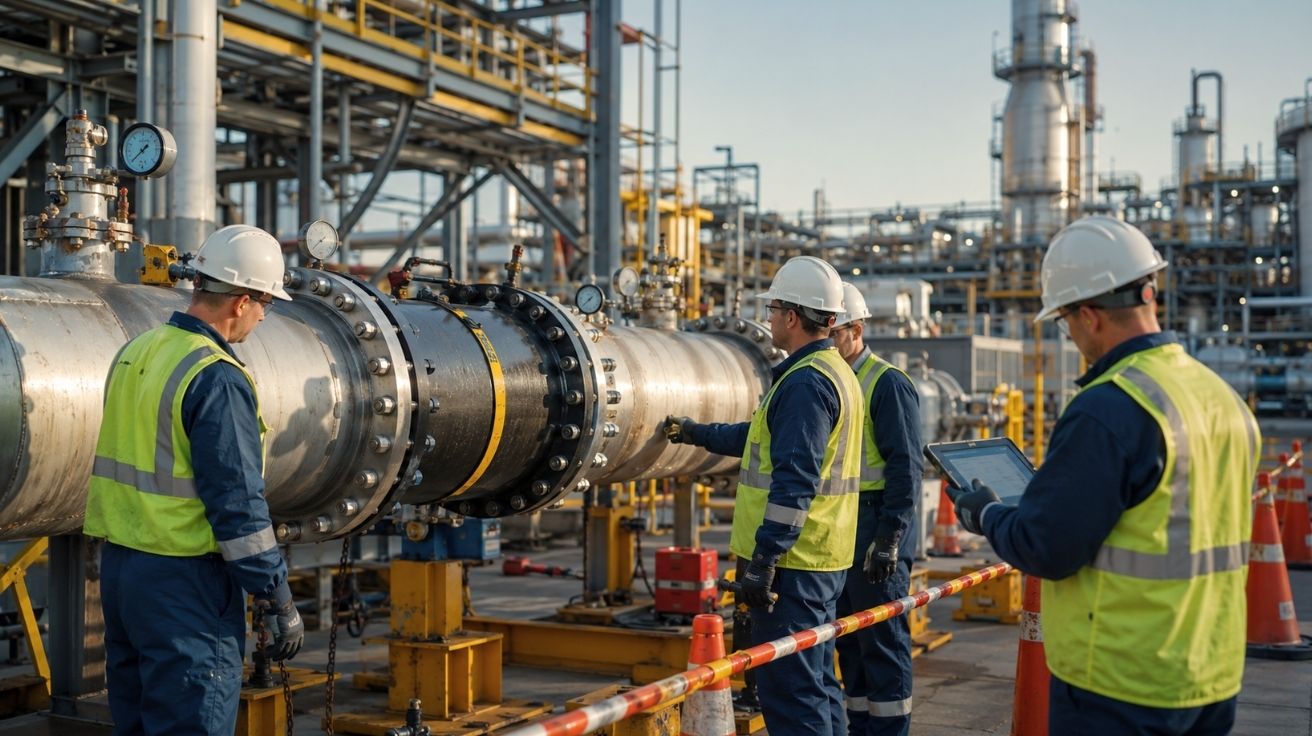

Maintenance work on active pipeline systems carries a specific category of risk that does not always receive the attention it deserves during project planning. When a section of pipe needs to be repaired, inspected, or modified, the surrounding flow must be controlled precisely. Failure to do so exposes workers to pressure hazards, contaminants, or chemical exposure that can result in serious injury or costly project delays.
Across industries like oil and gas, municipal water distribution, chemical processing, and industrial manufacturing, the ability to isolate a defined section of a pipeline without a full system shutdown is both a practical and regulatory matter. Understanding how isolation devices work, what codes govern their use, and what installation procedures reduce operational risk is essential knowledge for engineers, maintenance supervisors, and safety officers working with pressurized systems in the United States.
What a Pipeline Isolation Plug Is and Why It Matters Operationally
A pipeline isolation plug is a mechanical device inserted into a pipe bore to create a temporary, pressure-rated seal that stops flow within a defined section of the system. Unlike valves, which are permanent components of the pipeline infrastructure, isolation plugs are used on a temporary basis to allow safe work to proceed downstream of the seal. They are available in configurations suited for different pipe materials, diameters, pressure ratings, and fluid types, making them adaptable across a wide range of industrial and municipal applications.
For maintenance crews and project engineers, a well-selected pipeline isolation plug represents the difference between a controlled work environment and an uncontrolled one. When a valve is corroded, inaccessible, or simply absent from the relevant section of pipe, an isolation plug fills that functional gap without requiring a system-wide depressurization or shutdown. This directly affects project timelines, labor costs, and the safety exposure window for the crew performing the work.
When Isolation Plugs Are Appropriate Versus Other Isolation Methods
Choosing an isolation method is not simply a matter of convenience. The selection depends on the nature of the work being performed, the contents of the pipeline, the pressure and temperature conditions, and the regulatory environment that applies to the facility or project. Isolation plugs are appropriate when the work is temporary, when permanent valve installation is not planned as part of the scope, or when existing valves in the system do not provide a reliable enough seal to protect the work area.
Other isolation methods, such as line blinds, spectacle blinds, or double-block-and-bleed valve arrangements, may be more appropriate under certain conditions. For example, long-duration work on hazardous chemical lines may require a more rigid mechanical isolation. Understanding the hierarchy of isolation methods and the conditions under which each is recommended is part of building a sound isolation management plan for any project.
Applicable Codes and Standards Governing Isolation in the United States
Pipeline isolation work in the United States is governed by a combination of federal regulations, industry standards, and facility-specific safety programs. These requirements exist to ensure that the isolation method used is appropriate for the hazard, that the equipment is rated for the service conditions, and that the personnel performing the work are qualified to do so safely.
The Occupational Safety and Health Administration sets the baseline for worker protection through its Control of Hazardous Energy standard, commonly referred to as lockout/tagout. This regulation requires that energy sources, including stored pressure, be isolated and verified before maintenance work begins. Isolation plugs are often one component within a broader lockout/tagout procedure, and their installation must be documented as part of that energy control program.
ASME, API, and AWWA Standards Relevant to Plug Selection
Beyond OSHA requirements, several industry standards bodies publish guidance that directly affects how isolation plugs are selected, rated, and used. The American Society of Mechanical Engineers publishes pressure vessel and piping codes that define the acceptable pressure and temperature limits for mechanical components used in pipeline systems. These standards inform the minimum performance criteria a plug must meet before it can be used in a given service condition.
The American Petroleum Institute publishes standards relevant to the oil and gas sector, including guidance on safe isolation practices for production and refining environments. For water and wastewater systems, the American Water Works Association provides standards that govern the materials and performance requirements for devices used in potable water infrastructure. Confirming that the isolation equipment selected is compliant with the applicable standard for the specific industry and pipeline type is not optional — it is a prerequisite for safe and legally defensible work.
State-Level and Local Permitting Considerations
Federal standards establish the floor, but many states have adopted additional requirements that go further. States with active oil and gas industries, such as Texas, California, Pennsylvania, and North Dakota, often have regulatory bodies that impose additional isolation and documentation requirements for pipeline maintenance work. Municipal water utilities may also be subject to state environmental agency oversight when isolation work involves potential contamination risk to drinking water systems.
Before any isolation plug installation proceeds on regulated infrastructure, confirming the applicable state and local permit requirements is a necessary step. This may involve notification to the relevant authority, third-party inspection, or documentation that the equipment used meets the standards cited in the permit conditions. Overlooking this step can result in project delays, fines, or work stoppages that are far more disruptive than the original maintenance task.
Pressure Verification and Pre-Installation Safety Checks
Installing an isolation plug into an active pipeline requires a structured pre-installation process. The conditions inside the pipe at the moment of insertion must be understood and controlled. Acting on incomplete information about pressure, flow rate, or pipe condition creates risk for the installation crew and can result in equipment failure or personal injury.
The first step is confirming the current operating conditions of the line segment being isolated. This includes the maximum allowable working pressure, the fluid type, the temperature range, and the flow velocity. Each of these factors affects which plug design is appropriate and what insertion method will be used. Inserting a plug rated for water service into a hydrocarbon line, for example, would constitute an equipment mismatch with serious safety implications.
Verifying Pipe Condition Before Insertion
The internal condition of the pipe at the insertion point is equally important. A pipe with significant internal corrosion, pitting, or mechanical damage may not provide the seating surface that the plug requires to form an effective seal. In older infrastructure, it is common to encounter pipes where the internal bore has been partially reduced by scale buildup or where the wall has been thinned by corrosion to the point where external clamp forces could cause damage.
Non-destructive examination methods, including ultrasonic thickness testing, are commonly used to assess pipe wall condition before isolation work proceeds, as outlined in guidance published by organizations such as the American Society of Mechanical Engineers. If the pipe condition is uncertain, consulting with the pipeline owner or operator to review maintenance records and prior inspection data is a reasonable baseline step. Proceeding with installation on a pipe of unknown condition without that assessment shifts risk onto the installation crew and the project owner.
Installation Procedures and Best Practices
The actual process of installing a pipeline isolation plug varies depending on the plug type, the pipe size, and whether the line is active or depressurized at the time of installation. Hot tapping and plugging procedures, which allow insertion into pressurized systems without shutting down flow, are among the more technically demanding operations in pipeline maintenance. They require specialized equipment, trained personnel, and a controlled sequence of steps that must be followed precisely.
For standard bypass plug installation on depressurized lines, the process is more straightforward but still requires discipline. The insertion point must be prepared correctly, the plug must be confirmed as the right size and pressure rating for the application, and the sealing mechanism must be tested before the work downstream begins. Verifying the seal before releasing the isolation area to the work crew is not a procedural formality — it is the last line of defense against a pressure event during maintenance.
Managing the Work Area During Isolation
Once a pipeline isolation plug is in place and verified, managing the isolated work zone correctly is critical to maintaining the protection it provides. Workers should understand the boundaries of the isolated section, what the isolation is protecting against, and under what conditions the plug may be disturbed or removed. Unauthorized pressure testing or valve operation upstream of the isolation point during maintenance work can overwhelm the plug and expose the crew to a sudden release of energy.
Clear communication between the isolation crew, the maintenance crew, and the system operator is necessary throughout the duration of the work. In larger facilities, a permit-to-work system formalizes this communication and ensures that changes in system status are communicated to everyone operating within the isolation zone. When the maintenance work is complete, the removal of the isolation plug must follow a defined sequence that verifies the downstream work area is safe and that the system can be returned to service without incident.
Documentation and Post-Installation Compliance
Every pipeline isolation event should be documented in a way that supports both the immediate project and longer-term asset management. The documentation should record the equipment used, the date and time of installation and removal, the verified seal pressure, the names of the personnel involved, and any observations about pipe condition noted during the process. This record serves multiple purposes.
From a regulatory standpoint, it demonstrates that the isolation was performed in accordance with the applicable energy control procedures and that the equipment was appropriate for the service conditions. From an asset management perspective, it contributes to the maintenance history of the pipeline segment, which can inform future decisions about repair, replacement, or risk categorization. Facilities that operate without consistent isolation documentation are at a disadvantage when audits occur or when incident investigations require reconstruction of past maintenance events.
Closing Considerations
Pipeline isolation is not a peripheral activity in industrial and municipal maintenance — it is a fundamental safety function that determines whether maintenance work proceeds under controlled or uncontrolled conditions. The decision to use an isolation plug, and the process of selecting, installing, and verifying it correctly, reflects the broader discipline of hazard management that serious operations require.
For engineers and maintenance supervisors working across the United States, aligning isolation practices with OSHA requirements, applicable industry standards, and state-level regulations is both a compliance matter and a professional responsibility. Equipment that is well-matched to the service conditions, installed by qualified personnel following a documented procedure, and verified before work begins will consistently outperform improvised or underdocumented alternatives.
As pipeline infrastructure continues to age in many sectors, the frequency of isolation events is likely to increase rather than decrease. Building a systematic, well-documented approach to isolation plug selection and installation now positions maintenance operations to handle that workload safely, efficiently, and in compliance with the standards that govern their industry.
Read More: Early Cost Planning Strategies for Effective Construction Risk Management


Leave a Comment