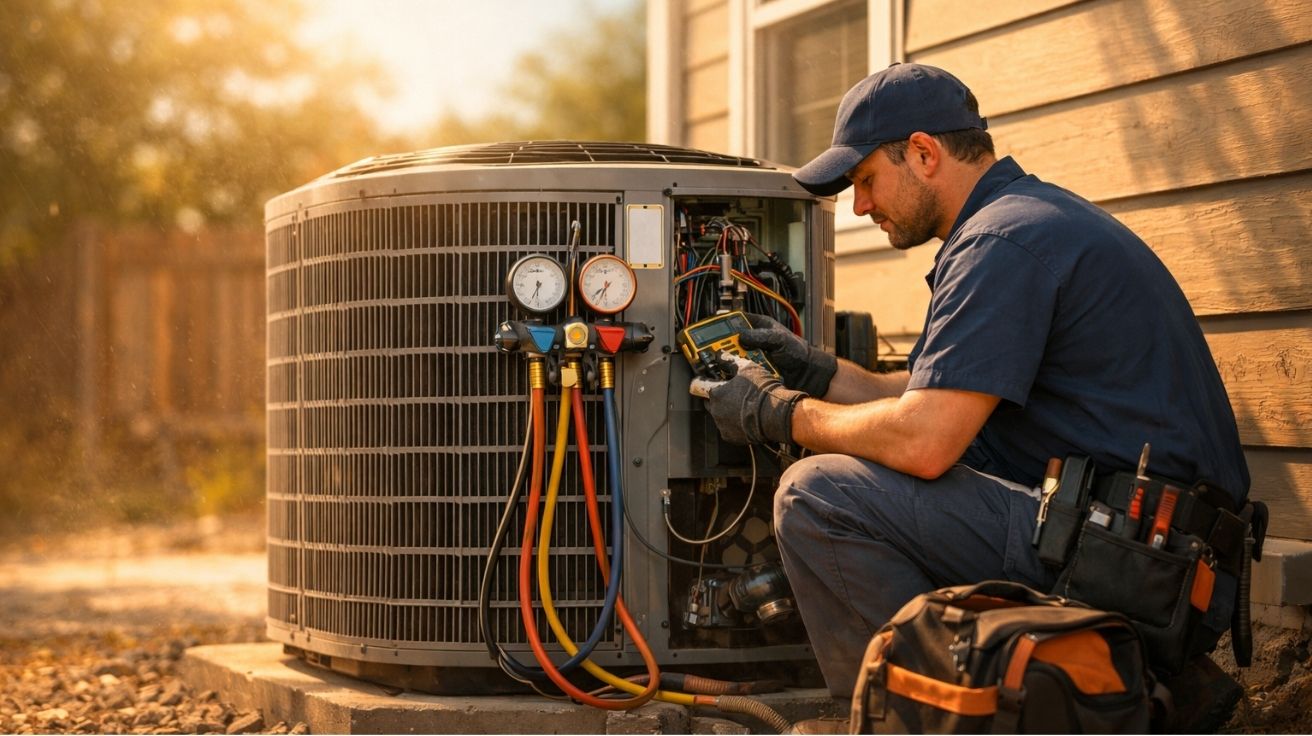

Sacramento summers are not subtle. When temperatures climb and the air feels heavy, the comfort of a home or workplace depends almost entirely on one system: HVAC. And while most people only think about heating and cooling when something breaks, the reality is that modern life in California makes HVAC reliability a daily necessity, not a luxury.
A working system is more than cool air. It is sleep quality. It is productivity. It is indoor air quality when outdoor conditions are unpleasant. It is the difference between a calm evening at home and a stressful night of fans, open windows, and restless heat. That is why, when performance drops or breakdowns happen, people quickly start looking for hvac repair Sacramento CA that can restore comfort and keep the system running safely and efficiently.
Sacramento is a stress test for HVAC systems
Sacramento’s climate puts unique pressure on HVAC equipment. Long hot spells increase runtime, which accelerates wear on parts like capacitors, motors, and compressors. Dust and outdoor debris can build up around outdoor units and inside filters. And when air quality dips due to smoke or seasonal pollution, the system is asked to do two jobs at once: cool the home and help keep the indoor air breathable.
When a system is already struggling, these conditions can push it over the edge. That is why many failures happen at the first major heat spike, when demand is highest and service schedules fill quickly. Planning ahead is not just convenient. It is a way to avoid the most stressful timing possible.
The warning signs homeowners often ignore
HVAC issues rarely appear overnight. Most systems give signals before a full breakdown, but people tend to normalize them until the problem becomes urgent.
Uneven temperatures between rooms can indicate airflow issues, duct leaks, or a system that is no longer performing correctly. Weak airflow from vents can point to clogged filters, blower issues, or restricted duct pathways. Short cycling, where the system turns on and off frequently, can signal thermostat problems, overheating, or improper sizing.
Strange sounds are another warning. Rattling, buzzing, grinding, or clicking are not normal “old unit” noises. They are often mechanical signals that a part is failing. The sooner those signs are diagnosed, the more likely you can avoid a major repair.
Rising energy bills without a clear lifestyle change are also a clue. When an HVAC system loses efficiency, it usually runs longer to achieve the same comfort. That extra runtime shows up on monthly costs.
Indoor air quality is now part of the conversation
In the past, HVAC was mostly discussed in terms of temperature. Now, more people are thinking about what they are breathing, especially during wildfire smoke events and allergy seasons.
A well-maintained system supports cleaner indoor air, but only if filtration and airflow are handled properly. Filters that are too clogged reduce airflow and strain the system. Filters that are too light may not offer enough protection during high particulate periods. The best option depends on the equipment and the home, which is why professional guidance can be useful.
Ventilation also matters. If a home is tightly sealed, it can trap stale air and humidity. Balanced airflow helps the home feel fresher and can reduce musty conditions that build up over time.
Why quick fixes often fail
It is tempting to replace a filter, reset the thermostat, and hope the problem disappears. Sometimes that works. But many HVAC issues are deeper than a single visible symptom.
A system can cool poorly because coils are dirty, refrigerant levels are off, electrical components are aging, or ductwork is leaking. Without a proper diagnosis, homeowners may spend money on small changes while the core issue continues to grow.
A professional approach usually saves time because it identifies the true cause. That often leads to more targeted repairs and fewer repeated problems.
Efficiency is about stability, not just savings
People often think of efficiency as a way to reduce bills, but it also reduces stress on the system. An efficient system reaches the target temperature faster and maintains it with less strain. That means fewer breakdowns during peak heat and a longer lifespan overall.
Efficiency improvements do not always require full replacement. Cleaning coils, restoring airflow, sealing duct leaks, and calibrating thermostat performance can all improve how the system behaves. These small improvements can translate into noticeably better comfort.
Timing is everything in peak season
One of the biggest mistakes people make is waiting until the system fails completely. In peak summer, demand for HVAC service increases sharply. When the first heatwave hits, many homeowners discover their system is underperforming at the same time, and service schedules can get busy.
Addressing issues early gives you more control. It also gives you time to consider options instead of being forced into emergency decisions. Even a basic check before the hottest stretch can reduce the chance of an urgent breakdown.
The bottom line
In Sacramento, HVAC is not just a convenience. It is a core home system that supports comfort, air quality, and daily function. When performance drops, the impact is immediate. The smartest approach is to treat small warning signs seriously and handle maintenance before extreme weather forces the issue.
Whether you are dealing with uneven cooling, rising bills, poor airflow, or a sudden breakdown, taking action early helps you regain comfort faster and protects the system for the long run.
Read More: Why Fulham Electricians Are Essential For Safe And Efficient Homes


Leave a Comment