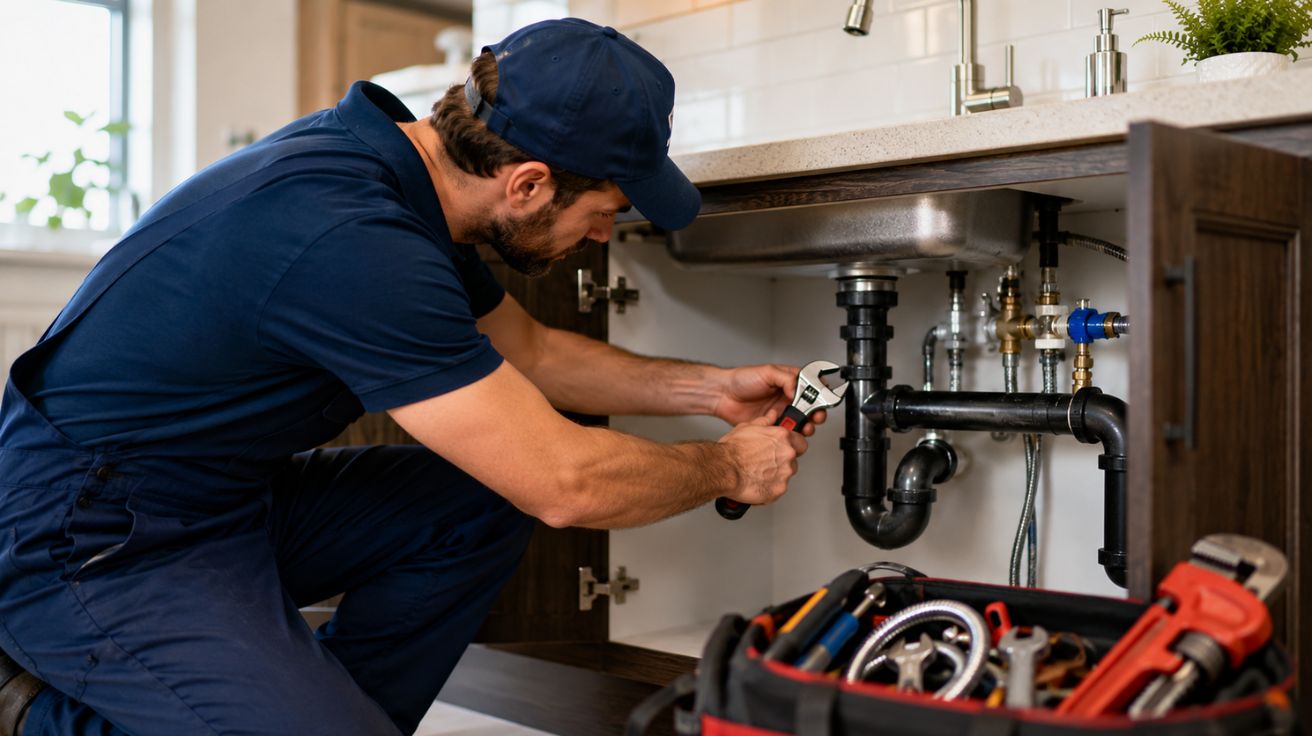

Plumbing issues can strike at any time, and knowing which services are available—and when to call a professional—can save Sydney homeowners significant time and money. This guide covers the most common plumbing problems, the services available, and what to look for when choosing a reliable plumber in Sydney.
Plumbing problems rarely show up at a convenient time. A burst pipe at midnight, a blocked drain right before guests arrive, or a hot water system that gives up on a cold winter morning—these situations demand fast, reliable help. For Sydney residents, having access to a trusted plumber is less of a luxury and more of a necessity.
This guide covers everything you need to know about plumbing services in Sydney: the most common issues homeowners face, the range of services available, and practical tips for avoiding costly repairs. Whether you own a home, manage a commercial property, or oversee strata maintenance, this is the resource you need.
What Are the Most Common Plumbing Problems in Sydney Homes?
Sydney’s mix of older terrace homes and newer apartment buildings means plumbing systems vary widely in age and condition. That diversity leads to a broad range of issues, but a few problems come up more than others.
Blocked drains are among the most frequent calls plumbers receive. Tree roots, grease buildup, and non-flushable items are the usual culprits. Left untreated, a blocked drain can quickly escalate into a full sewer overflow—a messy and expensive problem.
Burst pipes are another common emergency, especially in older properties where pipework hasn’t been updated in decades. A sudden spike in water pressure or corrosion can cause pipes to fail without warning. If you suspect a burst pipe, the first step is to shut off the main water supply immediately—for houses, this valve is usually at the front of the property, while apartment residents typically find it under the kitchen sink or laundry tub.
Leaking taps and fixtures might seem minor, but a slow drip wastes thousands of litres of water each year and can quietly drive up your water bill.
Hot water system failures are particularly disruptive. If your hot water is running brown or discoloured, this often signals internal corrosion in the tank and may mean the system needs replacing.
Gas leaks require immediate action. If you detect a gas smell, shut off the gas supply and contact a licensed plumber straight away. If you don’t smell gas but suspect a leak, stop all gas use and monitor your meter—any movement in the readings over an hour points to a probable leak.
What Plumbing Services Are Available in Sydney?
A full-service plumbing company in Sydney should be equipped to handle far more than a leaking tap. Here’s a breakdown of the key services to look for:
Drainage and Blocked Drain Clearing
Professional plumbers use a range of tools to clear blocked drains, from manual plunging to high-pressure jet blasting—a method that uses a powerful water jet to blast away grease, debris, and tree roots from inside pipes. For more complex blockages, CCTV drain inspections allow plumbers to send a camera through the pipe and pinpoint exactly where the problem lies, without unnecessary excavation.
Hot Water System Installation and Repair
Whether your system is gas, electric, or solar, a licensed plumber can diagnose faults, carry out repairs, and install new units. Rusty or discoloured water is usually a sign that a replacement is due, so don’t delay getting it checked.
Gas Fitting
Gas line installation, maintenance, and inspection are jobs that must be handled by a licensed gasfitter. This includes connecting gas appliances, checking for leaks, and ensuring all gas infrastructure meets Australian safety standards.
Burst Pipe Repairs
Burst pipes require urgent attention. A qualified plumber should arrive equipped to locate the source of the break quickly, minimise water damage, and carry out a lasting repair—not just a temporary fix.
Water Leak Detection
Modern leak detection uses thermal imaging and electronic locating equipment to find hidden leaks behind walls or beneath floors without tearing up your property. This technology saves time, reduces repair costs, and minimises disruption.
Waterproofing and Bathroom Renovations
Plumbing and waterproofing go hand in hand during bathroom renovations. Proper waterproofing prevents moisture from seeping into walls and subfloors, protecting your home from long-term structural damage.
Commercial and Strata Plumbing
Managing a commercial building or strata property comes with its own set of plumbing demands. Routine maintenance schedules, rapid response to issues, and compliance with building regulations are all critical. A plumber experienced in commercial and strata work understands these requirements and can manage projects of greater scale and complexity.
How Do You Know When to Call a Plumber?
Some plumbing problems are straightforward DIY fixes. A slow-draining toilet, for instance, can often be cleared with a plunger. If there’s no visible damage, it’s sometimes worth waiting a few hours—tissue paper blockages can dissolve on their own.
But there are clear situations where calling a licensed professional is the only safe option:
- A gas smell or suspected gas leak
- A burst pipe causing water damage
- Sewage backing up or overflowing from fixtures
- Brown or discoloured hot water
- Persistent drain odours that don’t clear with basic cleaning
- Any electrical component tied to plumbing, such as a pump or hot water heater
A common cause of drain odours is a dry floor trap. The trap is designed to hold water, creating a seal that blocks sewer gases from entering the room. If a drain hasn’t been used for a while, the water in the trap evaporates—simply pouring water into the drain can restore the seal and eliminate the smell. If the odour persists, that’s when a plumber should take a closer look.
What Should You Look for in a Plumbing Company in Sydney?
Not all plumbers are created equal. When you’re dealing with a stressful plumbing emergency, the last thing you want is to call someone who shows up late, quotes one price, and charges another. Here’s what separates a trustworthy provider of plumbing services in Sydney from the rest:
- Licensing and Insurance: Every plumber operating in NSW must hold a valid licence. Always confirm this before any work begins. Insurance protects both you and the tradespeople working on your property.
- 24/7 Availability: Plumbing emergencies don’t follow business hours. A company that offers around-the-clock service means you’re never left waiting when something goes wrong at midnight.
- Upfront, Transparent Pricing: Reputable plumbers provide clear quotes before starting work. Hidden fees and vague estimates are a red flag.
- Stocked Vehicles: A plumber who arrives with the right parts and tools gets the job done faster and avoids costly return visits. Well-stocked service vehicles are a sign of a well-run operation.
- Warranty on Labour: Quality workmanship should come with a guarantee. Ask about the company’s warranty policy before agreeing to any repairs.
- Flexible Payment Options: Some plumbing jobs come with a significant upfront cost. Look for providers who offer payment plans or interest-free options so urgent repairs don’t have to wait.
- Verified Reviews: Customer reviews on platforms like Google and Facebook give you an honest picture of what to expect. Consistent five-star ratings across dozens of reviews are a strong indicator of reliability.
All Australian Plumbing, based in Sydney, ticks these boxes—holding a 5.0 Google rating across 55 reviews, with customers consistently praising the quality of work, punctuality, and fair pricing. The company provides plumbing services in Sydney for both residential and commercial properties, with 24/7 emergency availability and no-interest payment options for larger jobs.
How Can You Prevent Plumbing Issues Before They Start?
Routine maintenance is the most cost-effective plumbing strategy. A few simple habits can prevent the kind of failures that result in expensive emergency call-outs.
- Don’t flush non-flushables. Wipes, cotton pads, paper towels, and hygiene products cause significant blockages in Sydney’s sewer infrastructure. Only toilet paper should be flushed.
- Check your water meter periodically. Turn off all water use in your home and check if the meter is still moving. If it is, you likely have a leak somewhere on the property.
- Monitor your gas meter. If you suspect a gas leak but can’t smell anything, note the meter reading and check again after an hour. Any change warrants a call to a licensed gasfitter.
- Service your hot water system regularly. An annual inspection can identify corrosion and wear before a full system failure.
- Clear your drains proactively. Pouring boiling water down kitchen drains monthly can help break down grease before it hardens into a blockage.
Get the Right Help When You Need It
A plumbing issue left unattended almost always becomes a bigger, costlier problem. The good news is that Sydney residents have access to professional plumbing services in Sydney that cover everything from routine maintenance to complex commercial repairs.
Knowing what services are available, what warning signs to watch for, and what to expect from a reputable plumber puts you in a much stronger position—whether you’re dealing with a dripping tap or a full-blown plumbing emergency.
Frequently Asked Questions
What plumbing services are available in Sydney?
Sydney plumbers offer a wide range of services including blocked drain clearing, burst pipe repairs, hot water system installation, gas fitting, water leak detection, CCTV drain inspections, high-pressure jet blasting, waterproofing, and both residential and commercial plumbing maintenance.
How much does emergency plumbing cost in Sydney?
Emergency plumbing costs in Sydney vary depending on the nature and complexity of the job, the time of call-out, and the plumber’s pricing structure. Reputable companies provide upfront quotes before starting work. Some providers offer interest-free payment plans for larger jobs.
How do I know if I have a water leak in my home?
Turn off all water use in your property and check your water meter. If the numbers continue to change, you likely have a leak. A licensed plumber can use water leak detection technology—including thermal imaging—to locate the source without damaging walls or flooring.
Is it safe to use my drains if there’s a sewer overflow?
No. If sewage is overflowing from any fixture, stop using all drains immediately. Continued use will worsen the overflow and can cause serious damage and health hazards. Call a licensed plumber straight away.
What should I do if I smell gas at home?
Shut off the gas supply immediately and contact a licensed gasfitter. Do not use any electrical switches or open flames. If you’re unsure whether there’s a leak but want to check, monitor your gas meter—any movement in the reading after an hour indicates a probable leak.
How often should I service my hot water system?
Most manufacturers and plumbers recommend an annual inspection. Regular servicing helps identify early signs of corrosion or wear, extending the life of the system and preventing unexpected failures.
Read More: Professional House Cleaning Services for a Spotless Home


Leave a Comment