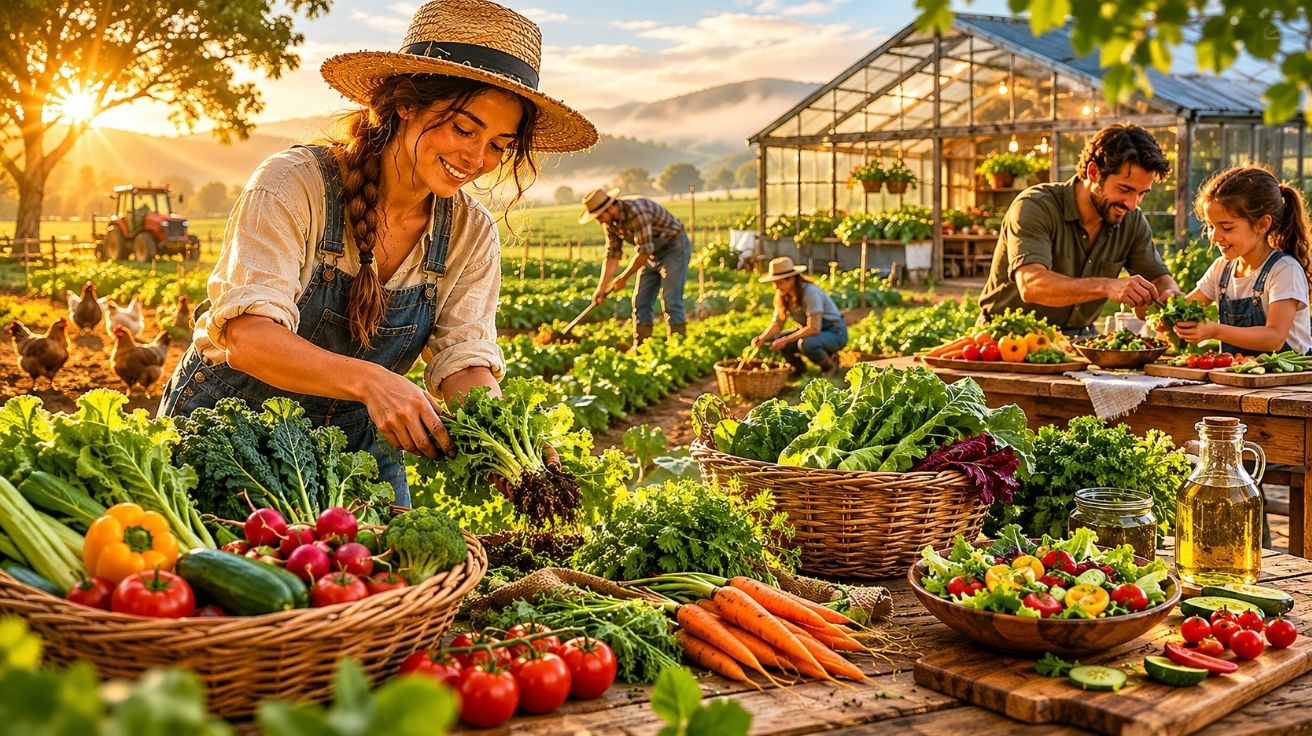

Modern consumers are interested not only in the visual representation of organic produce or sustainable food products. Consumers seek transparency about the origin of the product, its manufacturing processes, and other details about the people responsible for these products. This is why storytelling has become one of the key marketing strategies used by agricultural and organic food brands.
Visual storytelling can now be implemented successfully to engage audiences and increase the value of their content through the use of advanced technological solutions such as Pippit and Seedance 2.0 AI. This technology makes it possible for businesses to create their own cinemagraphic farm-to-table videos using footage captured during ordinary farming operations.
This will allow companies to tell stories about products through videos featuring harvesting at dawn, greenhouse cultivation, farming as an inherited business, and preparing fresh meals in a more emotional way instead of using still images of vegetables and other products.
Stories and visuals make people more trustful of the brands and their products.
Why Farm to Table Story-Telling Evokes Emotion in Consumers
Consumers are more aware than ever of issues related to sustainability, eating right, and ethically sourced products. They are looking for brands to be transparent and tell them the truth.
While a product picture tells you what a brand is selling, cinema-style story-telling tells you why.
Consider a video where the opening scene starts with morning sun shining over green farms, harvesting of vegetables in full swing, vegetables packed into boxes, and finally served as a sumptuous meal on the dining table. The emotional impact created by this story is much stronger than any advertisement about a product.
What Does Farm to Table Story-Telling Convey?
- Quality of the product
- Sustainable farming
- Family legacy
- Locality of the source
- Organic farming
- Responsibility towards nature
- Connecting with the community
The above themes are very emotional on social media.
Transforming Farm Visuals Into Movie-Like Visuals
Visual storytelling in agriculture is naturally abundant. The fields, the plants, the machinery, the greenhouses, the animals, and the natural environments can be made into stunning movie visuals if presented creatively.
Rather than treating agricultural content in an informative way, one can treat them as immersive storytelling.
For Instance:
From Planting to Harvest
Visualize the entire growth process from the planting stage all the way to harvesting the fruits of their labors.
Campaigns Through Seasons
Make use of the seasonal changes in farms as a means to create visually different content.
Farmer Interviews
Make the farmers’ stories known as a means of creating a more human and relatable brand.
From Farm to Restaurant Table Experience
Create a connection between agricultural products and food preparation inside restaurants.
By doing so, one creates a compelling narrative that allows viewers to connect with brands on an emotional level rather than just mindlessly scroll past the ads.
Why Cinematic Food Storytelling Works on Social Media
Social media users are very visual. As such, videos that are cinematic, emotional, or immersive do better than advertisements.
Farm-to-table storytelling is ideal because it incorporates:
- Nature visuals
- Human emotions
- Food visuals
- A pleasant environment
- Authenticity
The combination creates highly shareable content on platforms including:
- Instagram Reels
- TikTok
- YouTube Shorts
- Facebook video marketing campaigns
- Pinterest videos
Short cinematic videos showcasing fresh produce, harvesting, the cooking process, and life on the family farm can capture viewers’ attention and gain their trust quickly.
Visual Storytelling That Captures Authenticity
A key benefit that organic food brand companies have is the authenticity they offer. Compared to slick corporate videos, the agricultural storytelling videos are naturally authentic.
Viewers love watching imperfect but authentic moments, such as:
- Dirt on hands harvesting fresh vegetables
- Morning fog creeping in the field
- Rains watering fresh vegetables
- Farmer arranging fresh vegetables in produce boxes
- Family cooking with fresh produce
These moments tell stories of authenticity without the need for a strong pushy sales message. The videos are more experiential than advertising in nature.
Adding Cinematic Flair to Agricultural Marketing
Advanced technology is enabling even small-scale farming and individual food brands to produce visually impressive marketing campaigns without needing costly film studios.
Brands have the opportunity to explore exciting video elements such as AI drama, emotional shifts, captivating nature shots, and cinematic motion effects to transform conventional agricultural videos into digital content.
A few brands are utilizing the power of AI storytelling techniques to craft emotionally engaging mini-documentaries that resemble movies rather than mere marketing videos.
This storytelling technique allows smaller and more niche organic brands to gain an edge in competitive digital market spaces.
Turn Agricultural Tales Into Cinematic Digital Campaigns With Pippit
Producing cinematic agricultural videos no longer demands sophisticated editing skills or extensive creative teams. Instead, Pippit provides a simple solution to assist brands in crafting visually impressive storytelling content through AI-based video editing platforms.
Below are some tips on how organic food brands can produce compelling farm-to-table marketing campaigns.
Step 1: Open the “Video Generator”
Register yourself in Pippit to be able to get to the homepage. Go to the main dashboard, where you find “Video” or open “Video generator” through the menu on the left side. Input a text prompt and define the video style, mood, and camera angles.
For instance, you can input a prompt such as: “Make a cinematic farm-to-table video with sunrise harvest, fresh organic produce, farms tilling the fields, slow-motion production of vegetables, rustic cooking scenes, natural lighting, emotional storytelling, and countryside atmosphere suitable for a social media campaign.”
It helps in making a better story out of the videos and makes them more engaging.
Step 2: Make the Video
Click the “+” sign and add an image, video, file, or link to create a video. In case you have another video that acts as the reference video for the generated one, click “Upload a reference video” and the “Upload” button.
Select “Choose a model” and select “Dreamina Seedance 2.0.” Set the video time period, language, and aspect ratio. Click “Generate,” and Pippit will start generating your video.
Step 3: Edit & Export
Choose your video and press the Play button to view it. To make edits, select “Edit More” and make use of features such as cropping, stabilization, color adjustments, or background changes.
Alternatively, select “Download” to save your generated video to your device, or choose “Publish” to share your video on your social media platform.
Campaign Idea Concepts for Agriculture & Organic Brands
The farm-to-table concept is versatile enough to be used in various types of campaigns throughout the year.
Weekly Harvest Highlights
Generate a weekly highlight reel of new produce harvests through cinematic short-form videos.
Eco-Friendly Documentaries
Create videos focused on sustainable farming techniques, composting, or water conservation practices.
Farmer Lifestyle
Develop stories on the day-to-day operations of a farm to build an emotional connection with viewers.
Restaurants Collaborations
Collaborate with restaurants or chefs to promote your agricultural products as premium quality.
Multi-Generational Family Farms
Generate a story about the rich history of your farm through multiple generations.
Why Immersive Storytelling Builds Consumer Trust
When it comes to organic food marketing, trust plays an enormous role. The customers expect assurance regarding the quality, source, and sustainable practices used for producing the goods.
With storytelling, companies can communicate their values organically.
Through cinematic videos, the brands will not only claim the organic or fresh nature of their products but demonstrate the effort and devotion to providing such goods through visuals.
Consumers tend to like the companies that are honest and emotionally related.
Immersive Storytelling Will Play a Vital Role in Future Organic Food Marketing
Digital marketing changes, and it gives agricultural companies a great chance to leverage immersive storytelling for better promotion. The future belongs to emotionally related experiences rather than standard ads for most of the customers nowadays.
By telling the audience farm-to-table stories, agricultural firms can transform even the most regular videos into visually engaging content people want to see.
With Pippit’s help, you can create memorable marketing campaigns focused on the benefits of your products while establishing emotional relations with your target audience.
Read More: 7 Ways Advanced Simulation Technology Is Revolutionising Strategic Training


Leave a Comment