
Joint pain can slow you down. It can make walking, bending, or even resting uncomfortable. Many people with long-term pain wonder if they need surgery. But now, there is another option called Regenerative Medicine Therapy.
This type of treatment focuses on helping the body heal itself. Instead of cutting into the body like surgery, it uses natural methods to repair damaged tissue. Because of this, many people ask: Can regenerative medicine replace surgery for joint pain and injuries?
The answer depends on your condition, your health, and how severe the problem is. In this guide, you’ll learn how this therapy works, what it treats, and when it may be a good option.
What Is Regenerative Medicine Therapy?
How It Helps the Body Heal Naturally
Regenerative medicine therapy works by boosting the body’s natural healing process. It helps repair tissues like cartilage, tendons, and ligaments.
Instead of removing damaged parts, the goal is to fix them. This can reduce pain and improve movement over time.
Types of Regenerative Treatments Explained
There are different types of regenerative treatments. Two common ones include:
- Platelet-Rich Plasma Therapy
- Stem Cell Therapy
PRP uses your own blood to help healing. Stem cell therapy uses special cells that can turn into different types of tissue.
Both methods aim to repair damage instead of replacing it.
Conditions Treated with Regenerative Medicine
Joint Pain and Arthritis
Many people use this therapy for joint pain caused by Osteoarthritis.
This condition happens when cartilage breaks down over time. Regenerative therapy may help slow this process and reduce pain.
Sports Injuries and Tissue Damage
It is also used for injuries like:
- Torn ligaments
- Tendon damage
- Muscle strains
These injuries often happen in sports or physical activity. Regenerative treatments may help speed up healing.
How Does Regenerative Therapy Work?
Role of Stem Cells in Healing
Stem cells are special cells in the body. They can turn into different types of tissue.
When injected into a damaged area, they may help rebuild tissue and improve function.
Platelet-Rich Plasma (PRP) Explained
PRP uses platelets from your blood. Platelets contain growth factors that support healing.
Doctors draw blood, process it, and inject it into the injured area. This can help reduce pain and support recovery.
Who Is a Good Candidate for This Therapy?
Symptoms That May Benefit from Treatment
You may benefit from regenerative therapy if you have:
- Mild to moderate joint pain
- Early-stage arthritis
- Sports injuries that are not healing
It works best when the damage is not too severe.
When Traditional Treatments Don’t Work
If rest, medication, or physical therapy has not helped, this therapy may be an option.
It can be used before considering surgery.
Benefits of Regenerative Medicine Therapy
Natural Healing Without Major Surgery
One of the biggest benefits is avoiding surgery. There are:
- No large cuts
- No general anesthesia in most cases
- Lower risk compared to major surgery
This makes it appealing for many patients.
Reduced Pain and Faster Recovery
Recovery is often quicker than surgery. Many people:
- Return to daily activities sooner
- Experience less pain after treatment
- Avoid long hospital stays
This makes it easier to get back to normal life.
What Happens During the Procedure
Step-by-Step Overview of Treatment
The process is usually simple:
- The doctor prepares the treatment (PRP or stem cells)
- The area is cleaned and numbed
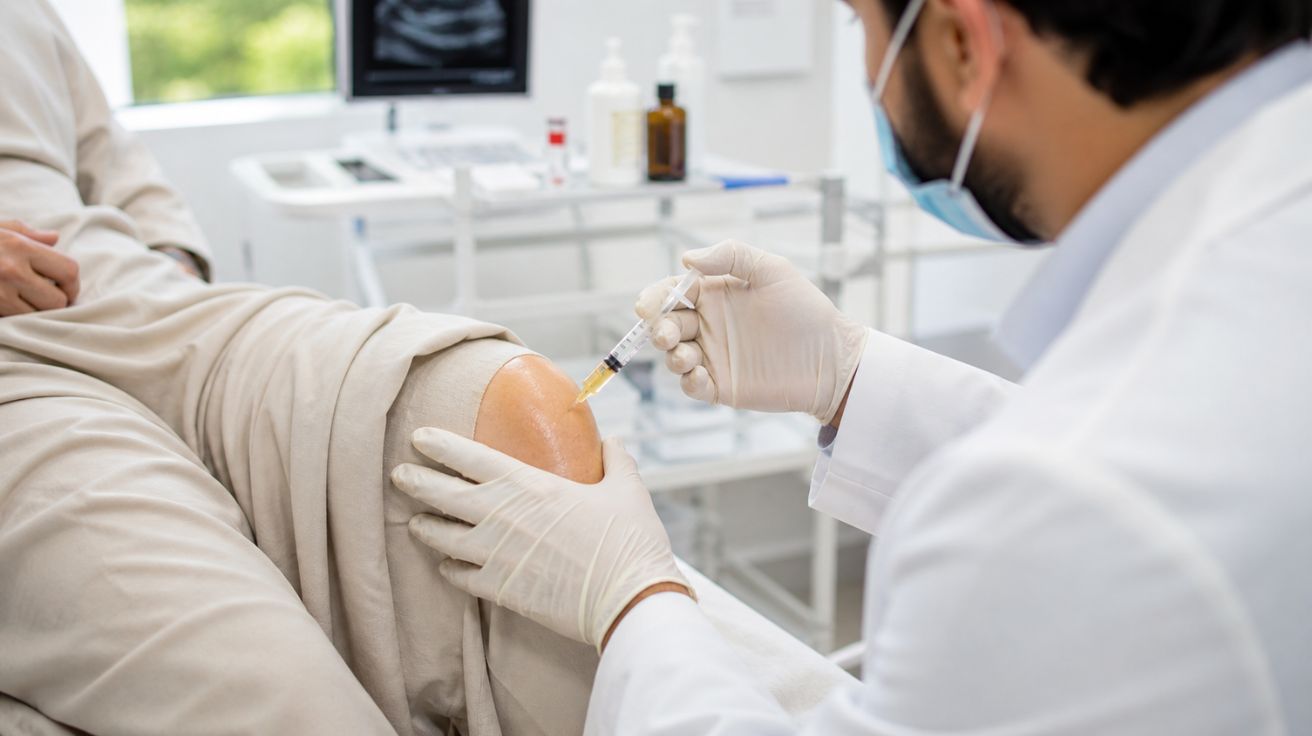
- The treatment is injected into the joint or tissue
- The patient rests briefly before going home
Most procedures are done in a clinic.
What Patients Usually Experience
Patients may feel mild discomfort during or after the injection. Some swelling or soreness is normal.
These symptoms usually go away in a few days.
Recovery and Healing Process
What to Expect After Treatment
Healing takes time. Some people feel better in a few weeks, while others need a few months.
The body gradually repairs the damaged tissue.
Tips to Support Healing
To improve results:
- Follow doctor instructions
- Avoid heavy activity for a short time
- Stay active with light movement
- Eat a healthy diet
Good habits support the healing process.
Risks and Limitations
Possible Side Effects
Regenerative therapy is generally safe, but some side effects may include:
- Mild pain at the injection site
- Swelling
- Temporary stiffness
These are usually short-term.
When Results May Vary
This therapy does not work for everyone. Results depend on:
- Age
- Severity of the condition
- Overall health
In severe cases, surgery may still be needed.
Future of Regenerative Medicine
New Research and Advancements
Research in Regenerative Medicine is growing fast.
Scientists are studying new ways to improve healing and treat more conditions.
What This Means for Patients
In the future, more people may avoid surgery thanks to better treatments.
New options may provide longer-lasting relief and improved outcomes.
Conclusion
So, can regenerative medicine therapy replace surgery for joint pain and injuries? In some cases, yes. It can help reduce pain, improve movement, and delay or even avoid surgery.
However, it is not a one-size-fits-all solution. Severe damage or advanced conditions may still require surgery.
The best step is to talk to a doctor. They can guide you based on your condition and goals. With the right approach, you can find a treatment that helps you stay active and live with less pain.
Read More: Senior Care Options That Enhance Independence And Wellbeing


Leave a Comment