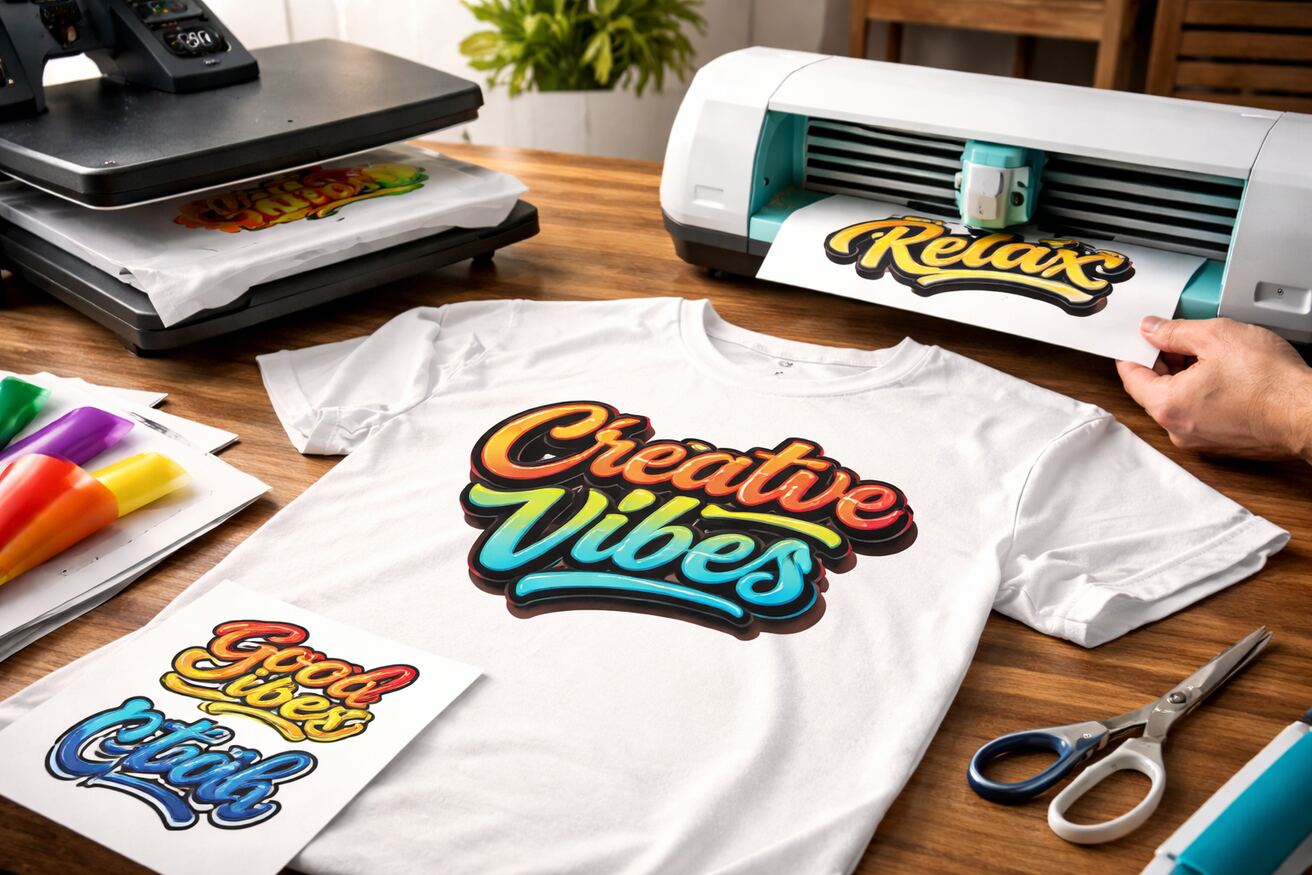

Creating your own fonts is a powerful way to express creativity, but taking those designs beyond the screen and onto clothing is what truly brings them to life. Customizing fonts and applying them to t-shirts has become a popular trend, especially for designers, small business owners, and content creators who want their work to reach a wider audience. With the right tools and techniques, you can transform your typography into wearable art.
Using Printable Vinyl
One of the best ways to start is by using Printable Vinyl. This material allows you to print your custom font designs directly onto a special vinyl sheet using an inkjet printer. Once printed, the design can be cut and transferred onto fabric. Printable vinyl is ideal for detailed and colorful fonts, as it captures fine lines and gradients effectively.
The process begins with designing your custom font using graphic design software. You can experiment with different styles, shapes, and spacing to create something unique. After finalizing your design, it is printed onto printable vinyl and then cut to match the shape of the text. This step ensures that only the design itself is transferred onto the shirt, giving it a clean and professional look.
Using Heat Transfer Vinyl (HTV)
Another popular option is heat transfer vinyl, often referred to as HTV. Unlike printable vinyl, HTV comes in solid colors and requires a cutting machine to shape the design. This method is perfect for bold fonts, simple text, and logos. It offers a smooth finish and excellent durability, making it a favorite choice for custom apparel.
When using heat transfer vinyl, your font design is first mirrored and then cut into the vinyl sheet. After removing the excess material, the remaining design is ready to be applied to the fabric. HTV is especially useful for creating high-contrast designs that stand out on t-shirts, helping your custom fonts grab attention.
Applying the Design With a Heat Press
The final and most important step in the process is applying the design using a heat press. This machine uses heat and pressure to bond the vinyl design to the fabric. A heat press ensures that your custom fonts adhere properly and last through multiple washes without peeling or fading.
To achieve the best results, it is important to use the correct temperature, pressure, and pressing time. These settings may vary depending on the type of vinyl and fabric you are using. A heat press provides even heat distribution, which is essential for creating a professional finish. Compared to using an iron, a heat press offers more consistent and reliable results.
Once your design is pressed onto the t-shirt, allow it to cool before removing any backing material. In some cases, a second press may be required to ensure a smooth and long-lasting finish. This step helps lock in the design and enhances its durability.
Expanding Your Reach With Custom Designs
Bringing your custom fonts to life on clothing not only allows you to showcase your creativity but also opens up opportunities to reach a wider audience. Custom t-shirts can be used for branding, promotions, or even launching your own clothing line. Social media platforms and online marketplaces make it easier than ever to share your designs and connect with potential customers.
To expand your reach, consider creating a consistent style or theme for your font designs. This helps build a recognizable brand identity. You can also experiment with different color combinations, fabric types, and design placements to keep your products fresh and appealing.
Conclusion
In conclusion, customizing fonts and transferring them onto t-shirts is an exciting and rewarding process. By using printable vinyl, heat transfer vinyl, and a heat press, you can turn your digital designs into high-quality, wearable products. With creativity, practice, and the right tools, your custom fonts can gain visibility and make a lasting impression in the world of fashion and design.
Read More: How To Style Women Printed Gym Shirts For Gym And Casual Wear | Ironpandafit


Leave a Comment