
Introduction
Engineers and procurement managers looking for complex, high-precision CNC parts online are in a tricky spot. Quick-quote platforms usually can’t check intricate designs properly, and traditional manufacturers are slow and unclear in their communications. Because of this, projects often end up delayed and over budget, with results not matching the prototype. As the designs transition from digital to real parts, this becomes even more problematic.
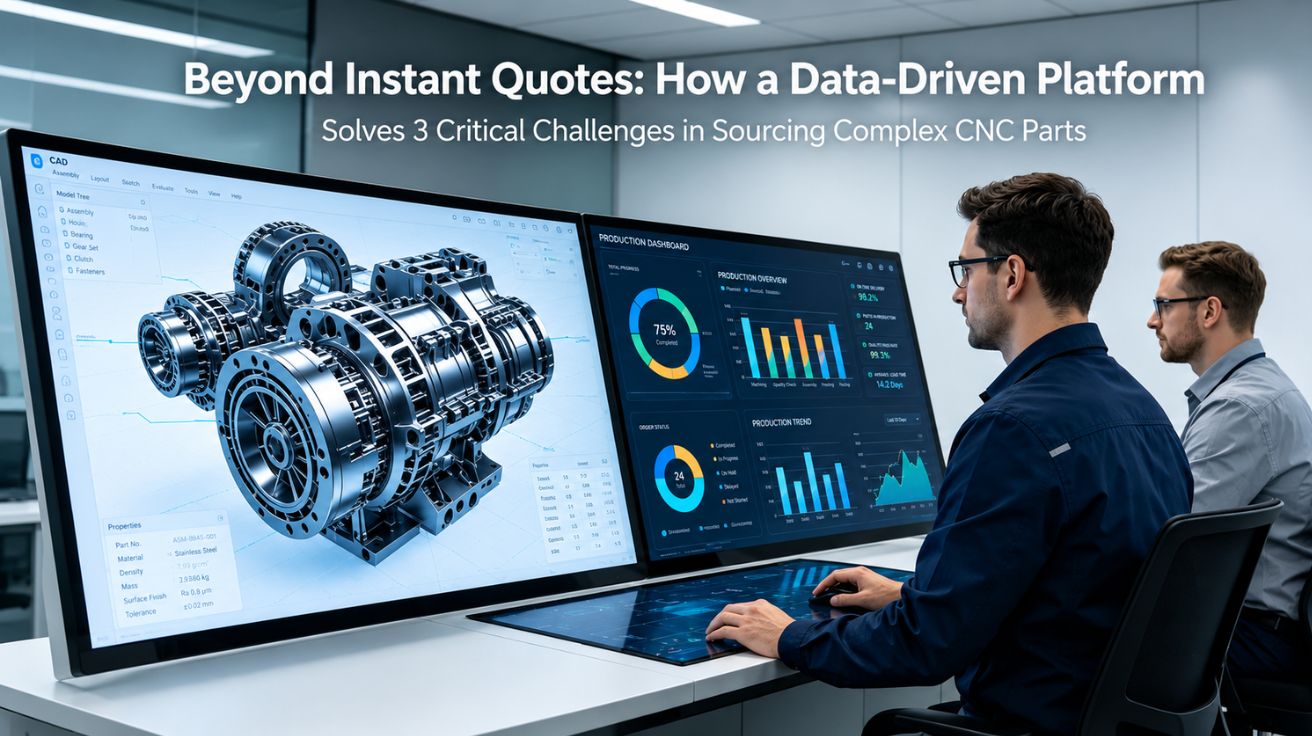
The issue stems from how the quoting process is separated from both collaboration and execution in the traditional model. When a system just focuses on pricing, it doesn’t catch potential manufacturing problems. Meanwhile, the actual production process keeps customers in the dark. The fix? Using a new data-driven digital manufacturing platform. These tools combine instant engineering checks, clear workflows, and virtual teamwork, helping overcome those core challenges.
How Can One Mitigate Manufacturing Risks Before the First Cut Is Made?
To mitigate risks in manufacturing complex CNC parts before production starts, one must understand how easily the part can be made. Traditionally, people send out requests for quotes, wait for replies, and hope suppliers spot all the issues. But that’s slow and inconsistent. A better way is using smart DFM analysis right in the digital platform. It simulates the whole CNC machining process to find problems early. Instead of talking about costs first, this lets you discuss what’s feasible, fixing issues before placing any orders..
1. The Game-Changer: Instant, Automated Design Simulation
The game-changer is instant, automated design simulation. Once you upload a CAD file, an advanced platform performs a quick, automated manufacturability check in just a few minutes. The algorithm looks for tricky stuff like deep cavities with bad tool access, super-thin walls that vibrate, or teeny internal radii that can’t handle standard cutters. Then, it gives you a visual, color-coded heads-up right on your 3D model. This kind of upfront, thorough analysis is what top providers offer in online CNC machining services. It makes the early stage way safer and easier.
2. From Warning to Solution: Data-Driven Design Optimization
Besides spotting issues, advanced systems offer actual solutions too. They might advise tweaking wall thickness, proposing a new toolpath strategy, or demonstrating how various material picks affect costs and lead times. This changes the DFM report from just listing problems into a collaborative engineering document. Designers can then make educated decisions about balancing intent with expenses and timelines upfront. This approach fits with smart engineering ideals, which highlight using simulations to reduce production risks.
3. Quantifying the Impact: Preventing Late-Stage Firefighting
Finding issues late costs a lot of time and money. If a design flaw shows up after the toolpaths are set or even worse, during production, it causes serious holdups – you need to reprogram, refixture, and deal with wasted materials. Using a data-driven platform early stops these troubles before they start. This way, the designs are checked upfront, ensuring the quotes and timelines given are solid. The result? Instead of taking a risky guess, manufacturers get a sure thing with minimal risks involved.
Is “Fast Delivery” Just a Promise, or a Predictable Outcome?
“Fast delivery” usually ends up being wishful thinking because of the “black box” of production. With no insight into what’s going on, clients can’t tell if things are moving well or stalled. It only gets reliable when everything from start to finish — materials all the way through final checks — is clear and tracked digitally. This full transparency turns guesses into real, dependable timelines clients can follow and actually trust.
The Power of a Digital Twin for Production Scheduling
Advanced platforms use digital scheduling to create a “digital twin” of the production process. It models the whole workflow, including machine availability, material lead times, and additional steps like anodizing, not just one aspect. Because of this, it catches bottlenecks early on and provides accurate, changing due dates. Plus, clients get a visual Gantt chart, showing their project’s whole journey, which is really important for modern Industrial 4.0 operational excellence.
Real-Time Monitoring: From Anxious Waiting to Proactive Management
Real transparency means more than just status updates; it includes actual photos or videos at important stages, like when the first piece is finished. It also involves automatic uploads of inspection reports and live machine data. When something falls behind, both the manufacturer and the client get notified right away. This lets them plan ahead and turns the client into an informed partner rather than a passive observer.
Building Trust Through Data, Not Just Assurances
A transparent platform’s biggest perk is building solid, verifiable trust. Providing timestamped reports, certified info, and proof through pics makes a huge difference. It’s hard to feel secure with just emails. This data-filled approach backs up a set schedule and ties both the client and maker to the same facts about a project’s progress. This alignment cuts out guesswork and helps form a genuine team effort.
Can Truly Collaborative Engineering Happen Across Continents?
Global collaboration on complex parts usually turns into a messy bunch of emails, scattered file versions, and missed chat threads. This hurts productivity and causes mistakes. For smooth teamwork, we need a unified cloud space that keeps everyone updated. It brings all conversations, file changes, and approvals together, letting engineers work seamlessly no matter where they are. This is super important for quick CNC prototype making.

1. Centralizing the Chaos: The Integrated Project Workspace
Instead of juggling countless emails and files, an integrated platform gives teams a single, organized space for each project. Everythingfrom conversations to file uploads and approval requestsis logged in one place and tied to the right version forever. No more confusion about which version you are working on, whether it’s version 3. 2 or 3. 2_final_revised. Also everyone regardless of their location, gets immediate access to the most recent information. This not only keeps designers and engineers aligned globally but also drastically reduces miscommunications.
2. Streamlining Change With Formalized Engineering Change Management (ECM)
A formalized engineering change management module in iterative designs is super helpful. When a change gets suggested, the system automatically kicks off a workflow. It analyzes the new design for its manufacturing feasibility and cost impacts, generates a change order with visual diffs, and sends it out for digital approval. This sets up a clear, traceable process for every update. Plus, it speeds up the review cycle while keeping tight version control. That’s what sets a strategic custom CNC machining service apart from just a regular transactional machine shop.
3. Accelerating Innovation Through Structured Iteration
This clear, collaborative method doesn’t just prevent mistakes; it speeds up innovation too. Teams can move fast and with confidence, sure that every choice is recorded and understood. What used to take days now happens in hours. This really helps R&D teams and startups, where the design changes a lot and moving quickly to a working prototype is key. So, it turns a usual slow, linear process into something quick and agile.
A Case in Point: From Digital Blueprint to Certified Part Without a Site Visit
A European medical device startup required a titanium alloy housing with intricate internal channels and tight ±0.02mm tolerances. Typically, finding a supplier meant lots of site visits and back-and-forth emails. But they used a data-driven platform that instantly gave them DFM analysis within hours after they uploaded their design. This spotted potential tool deflection in a thin-walled area. They then collaborated on the platform, optimizing the design for 5-axis machining.
1. The Digital Handshake: Locking in Feasibility and Strategy
Using the platform’s collaborative tools, the engineering teams swiftly agreed on a machining strategy in just 72 hours, solving everything without transoceanic calls. Plus, their digital scheduler offered a clear, visual production timeline. They used a dashboard to keep track of real-time updates too. The team uploaded CMM inspection reports for critical dimensions right after finishing them, guaranteeing compliance with ISO 13485 traceability requirements even for the very first part made.
2. Outcome: Predictability Replaces Uncertainty
The part arrived in four weeks and passed all first-article inspections. The timeline stayed on track because the system spotted potential material supply issues early on. So, delays were avoided. Plus, the startup got a certified, flight-critical component without ever hitting the factory floor. This blend of digital transparency and precise manufacturing shows what forward-thinking makers offer global innovators.
3. The Broader Implication: Accessibility of Expertise
This case shows that distance and location aren’t issues for getting top manufacturing now. A digital platform makes precision engineering accessible to anyone with a good design. They can use deep manufacturing know-how, real-time checks, and strict quality controls. This results in more than just a made part; it de-risks the whole product dev journey, guaranteeing a high-quality finish.
How to Vet an Online CNC Partner: Looking Beyond the Price Tag
When selecting a partner for complex parts, it’s not just about choosing the cheapest option. Often, the lowest price is related to high risks of delays and other problems. A true partner is assessed based on three main criteria: their technical expertise, transparency during the process, and their level of collaboration. While certifications like IATF 16949 and AS9100D are must-haves, what differentiates them is how digitally advanced they are. This competence supports them in handling complexity, unpredictability, and speed efficiently.
1. Dimension 1: Interrogate Their Engineering Depth
Don’t accept just any basic response. See if the DFM feedback is actually helpful. Does it offer generic statements like “this might be hard to machine,” or does it come with detailed suggestions? A good partner won’t just give vague answers; they’ll include annotated pictures and propose precise changes backed by reasons. Plus, they’ll weigh the pros and cons of various machining methods, showing they take a proactive approach rather than just reacting to your instructions.
2. Dimension 2: Demand Uncompromising Process Transparency
Ask about visibility directly. What does their production tracking look like? Can you see a live dashboard? Will you get automated inspection reports? An invested partner shows off these aspects; they know transparency builds trust and aids collaboration. If things are murky, it might signal process issues or reluctance to face accountability. So, ensure they’re open about their methods and willing to share real-time data.
3. Dimension 3: Assess Their Collaborative Infrastructure
To assess their tools for online co-development, look at how they handle design changes and approvals. Do they have a formal engineering change process, or do they just use emails? Reliable partners use systems to organize all communications, files, and approvals, keeping the project history easy to access. This is essential for dealing with the many iterations complex projects need. Such infrastructure shows they’re focused on precise manufacturing, not just being suppliers.
Conclusion
Sourcing complex CNC machined parts is moving beyond a basic buy-sell transaction to a sophisticated, engineering-heavy process. To beat the typical risks and communication breakdowns, companies need to adopt a data-driven digital manufacturing platform. These platforms use smart DFM to make design risks smaller, offer real-time visibility for smoother operations, and allow teams to work together better. It’s not just an update in tech; it’s a big shift toward a partnership model. Now, expertise is more available, processes are clearer, and results are more reliable, pushing global innovation forward.
FAQs
Q1: What does a “digital manufacturing platform” mean, and how is it different from just a normal CNC quoting website online?
A: A normal quoting platform is Mainly a digital RFQ form oriented towards price. A real digital manufacturing platform not only does instant DFM through integrating engineering intelligence but also offers real-time production tracking for full visibility and allows seamless collaboration in a shared workspace. It digitally orchestrates the whole product realization journey with data-driven predictability.
Q2: What are the real benefits of using live production tracking for my project timeline?
A: It converts timeline estimates into guaranteed deadlines. A live dashboard accompanied by a Gantt chart can project the critical path clearly, and at the same time, automated alerts can raise red flags about possible delays early on. Being proactively visible in this way means that you can plan your contingencies immediately, you will no longer have to do anxious follow-ups since you already have certainty and most importantly, you will be able to manage internal schedules with absolute confidence..
Q3: My designs tend to be very iterative. How can a digital platform manage engineering change orders (ECOs) smoothly?
A: Basically, it gathers and structures the whole process. For example, the platform is able to immediately determining a change’s effect on price and production feasibility and then send it through a set digital approval workflow. Also, all comments, file versions, and approvals are kept in a single thread, Because of this making an audit-able history and speeding up iterations while at the same time avoiding errors due to old drawings.
Q4: Are digital manufacturing platforms only fit for large companies or mass production?
A: Definitely not. Besides, there are quite a few reasons why they could be very beneficial for prototypes and low-volume production too. For example, the initial DFM helps to avoid expensive errors for startups, and the openness gives the level of control which is normally large clients only get. Besides, the productivity improvements through simplified processes will bring benefits to any sized operation, thereby opening up access to advanced manufacturing management to all..
Q5: What clues in the initial DFM feedback can help me assess a provider’s level of knowledge?
A: Prioritize detailed, well-explained, and illustrated feedback. A top-notch DFM will identify the exact parts (such as a “0. 8mm wall”), describe the problem (tool bending), and present a viable remedy (step up to 1. 2mm or switch approach). CAD models with color indications or simulation results show that engineers are very thoroughly involved, not just doing automated checking..
Read More: Multiple Face Swap and Face Swap Video Technology: Transforming Digital Creativity


Leave a Comment