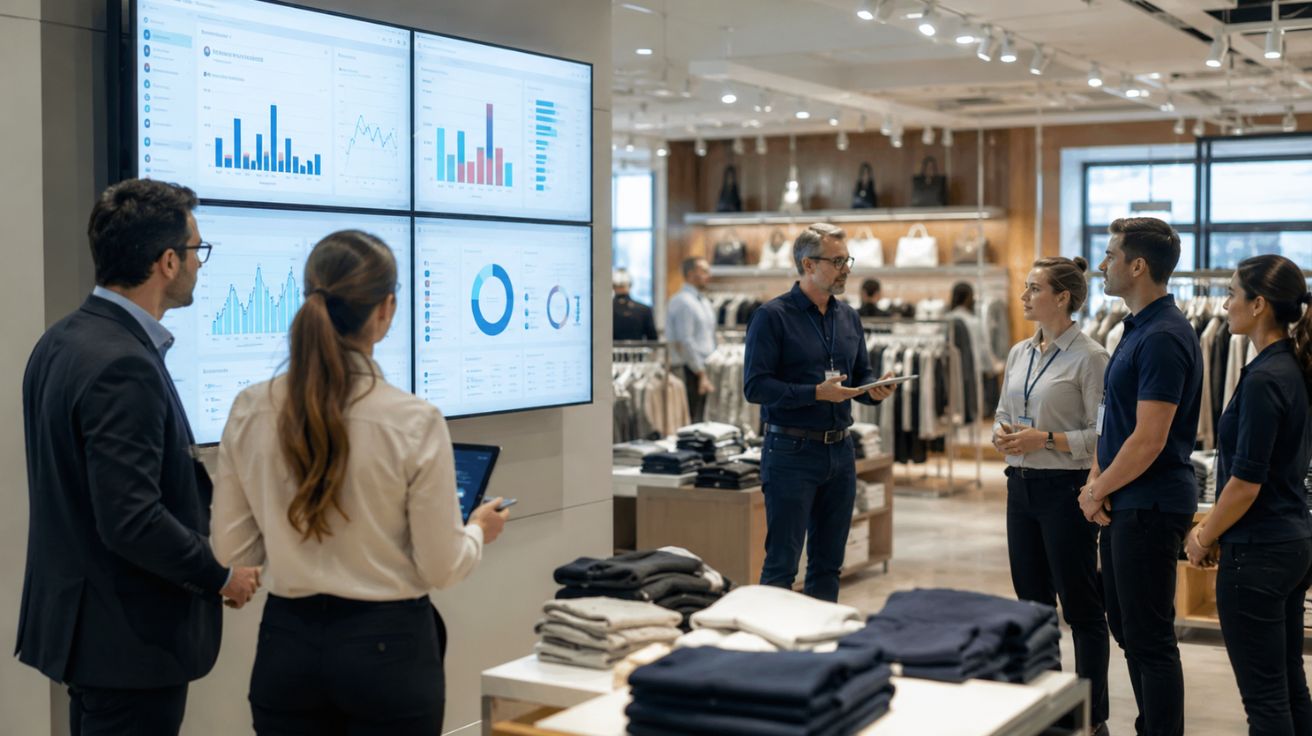

When corporate executives look at their retail operations, they usually see a unified brand. They see consistent signage, standardized floor plans, and a carefully crafted customer experience. However, beneath the polished surface of modern commerce lies a highly fractured reality. A sprawling retail brand is not a single, cohesive entity. Instead, it is a collection of hundreds or even thousands of disconnected micro-cultures, each governed almost entirely by the local store manager.
Corporate leadership may draft flawless codes of conduct and comprehensive safety protocols, but for a part-time cashier or a seasonal stockroom worker, the store manager is the absolute authority. If that manager decides to cut corners, ignore labor laws, or foster a toxic work environment, the corporate office is usually the last to know.
The Hidden Cost of Localized Misconduct
In the corporate world, compliance risks often involve complex financial fraud, insider trading, or executive corruption. In the retail sector, the risks are much more grounded, yet they carry devastating financial consequences. The most common and expensive legal violations stem from basic wage and hour disputes.
When a local manager is heavily pressured to hit strict labor budgets, they might ask employees to perform tasks off the clock, clock out before cleaning the store, or skip their legally mandated meal and rest breaks. While these actions might seem like minor infractions at the local level, they aggregate into massive corporate liabilities. Wage and hour class action lawsuits routinely result in multi-million dollar settlements.
Furthermore, store manager misconduct, ranging from blatant favoritism to outright harassment, drives the incredibly high turnover rates that plague the industry. When employees are treated poorly, customer service plummets, and the brand suffers directly at the point of sale.
The Frontline Communication Barrier
Why do these systemic issues remain hidden in the dark for so long? The answer lies in the unique demographics and structure of the retail workforce. Store-level employees are often young, part-time, or seasonal. They may be working their very first job, or they may face significant language barriers. Unlike corporate staff, frontline associates rarely have company email addresses or direct access to the corporate intranet. They almost never interact with anyone from the central human resources department.
If an associate experiences discrimination or notices a severe safety hazard in the warehouse, reporting it feels like an insurmountable challenge. The standard procedure often dictates reporting all workplace issues to the immediate supervisor. But what happens when the supervisor is the actual source of the problem?
The employee is left with a difficult choice. They can risk their schedule and their livelihood by speaking up, or they can simply quit. In most cases, they choose to leave quietly, taking the evidence of compliance failures with them and leaving the liability behind for the next hire.
Spotting the Invisible Patterns
To protect the brand and its workforce, corporate oversight teams must find a way to listen to thousands of storefronts simultaneously. Relying on exit interviews or annual surveys is completely ineffective in an industry where seasonal surges mean the workforce completely changes every few months.
Headquarters needs real-time visibility into every location. They need to know if a specific district manager has an unusual cluster of payroll complaints across multiple state lines. They need to cross-reference turnover spikes with safety grievances in regional distribution centers to identify root causes. Achieving this level of insight requires moving beyond generic reporting hotlines and adopting infrastructure built specifically for a distributed, deskless workforce.
By implementing advanced retail compliance solutions, organizations can offer multilingual, mobile-friendly intake channels that bypass local bottlenecks. These systems automatically route sensitive complaints directly to corporate investigators, ensuring that local managers cannot bury employee grievances.
Empowering the Deskless Worker
Retail companies invest heavily in preventing inventory shrinkage and optimizing their supply chains, yet they frequently overlook the operational blind spots created by their own management structures. A brand’s reputation is incredibly fragile. A single viral social media post about terrible working conditions at a local branch can undo millions of dollars in carefully planned marketing.
Protecting a sprawling retail empire requires acknowledging that corporate policies mean absolutely nothing if they do not reach the breakroom. Leadership must prioritize giving every associate, regardless of their native language or employment status, a safe, accessible, and anonymous way to raise their hand. When you empower the frontline workforce to speak up without fear of retaliation, you transform your greatest potential liability into your strongest line of defense.
Read More: Registered Agent Services in Florida: Straight Talk for Busy Business Owners


Leave a Comment