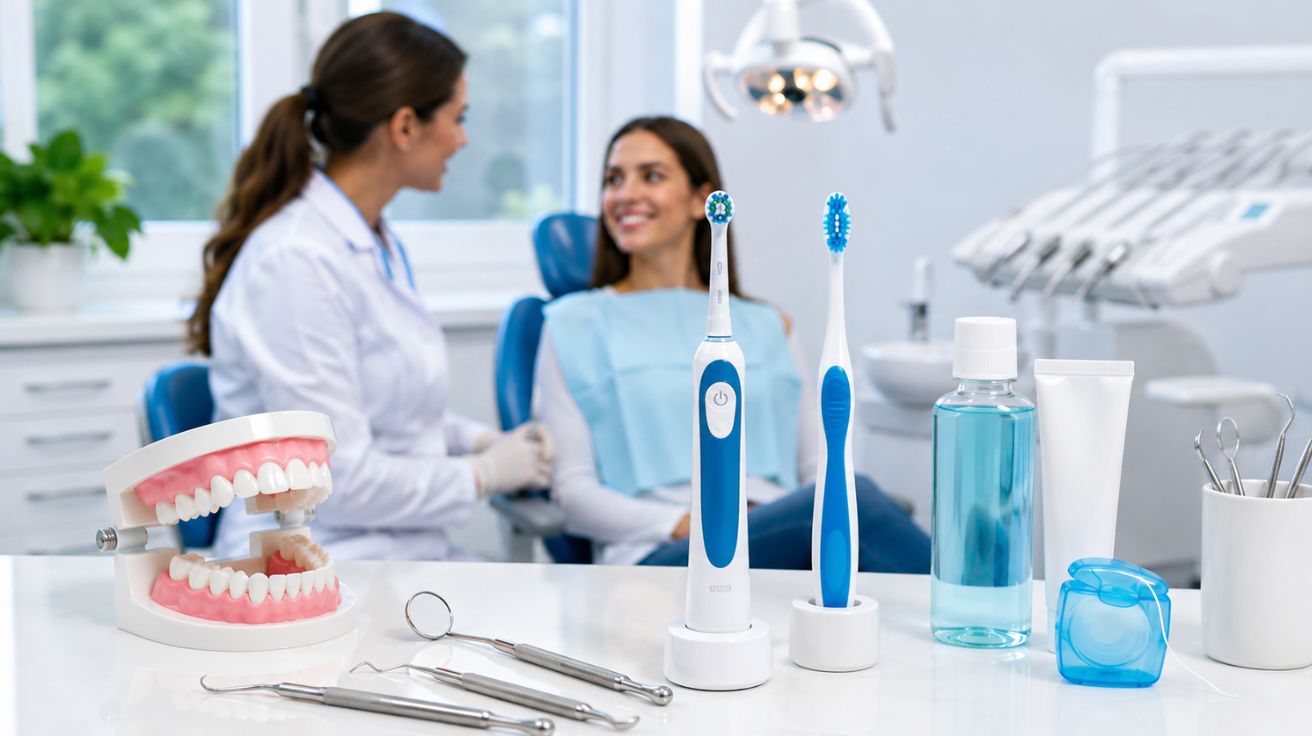

Choosing the right toothbrush is one of the simplest decisions people make for their oral health, yet it often raises an important question. Are electric toothbrushes actually better than manual toothbrushes, or is the difference primarily a matter of personal preference? While both options can help maintain healthy teeth and gums, research and clinical experience suggest that electric toothbrushes may provide certain advantages for many patients.
A Family dentist often recommends selecting a toothbrush based on a patient’s oral health needs, brushing habits, and ability to clean effectively. Understanding the differences between these tools can help patients make informed decisions about their daily oral care routine.
How Both Toothbrush Types Support Oral Health
Both electric and manual toothbrushes can remove plaque and food debris when used correctly. Proper brushing technique, brushing duration, and consistency remain among the most important factors in maintaining oral health.
Many patients assume that purchasing a more advanced toothbrush automatically improves oral hygiene. However, even the most expensive toothbrush cannot compensate for rushed brushing or poor technique. A Seattle dentist often reminds patients that successful oral care depends more on how well they use the toothbrush than on the tool itself.
That said, electric toothbrushes can make effective brushing easier for many individuals.
Why Electric Toothbrushes May Be More Effective
Electric toothbrushes use oscillating, rotating, or vibrating movements that allow the brush head to perform much of the cleaning action. This design can help remove plaque more efficiently than manual brushing, particularly along the gumline and in difficult-to-reach areas.
Many electric toothbrushes also include built-in timers that encourage users to brush for the recommended two minutes. Some models provide pressure sensors that alert users when they are brushing too aggressively, helping reduce the risk of gum irritation and enamel wear.
For patients who struggle with brushing technique, an electric toothbrush may help establish more consistent brushing habits and improve overall plaque control.
Benefits for Children and Older Adults
Electric toothbrushes can be especially helpful for children who are still learning proper brushing techniques. The powered movements assist with cleaning, while timers encourage children to spend enough time brushing each area of the mouth.
Older adults may also benefit from electric toothbrushes, particularly if they have arthritis, reduced hand strength, or limited dexterity. The larger handles and automated brushing action can make daily oral care more comfortable and effective.
A Family dentist may recommend electric toothbrushes for patients who find manual brushing physically challenging or difficult to perform consistently.
Situations Where Manual Toothbrushes Work Well
Despite the advantages of electric models, manual toothbrushes remain an excellent option for many people. They are affordable, widely available, and convenient to carry while traveling.
Patients who have developed strong brushing habits and use proper technique often achieve excellent oral health with a manual toothbrush. Regular replacement of worn brush heads and attention to brushing duration can help manual brushes perform very effectively.
A Seattle dentist may recommend a manual toothbrush when patients demonstrate good plaque control and healthy brushing habits during routine examinations.
Common Brushing Mistakes Regardless of Toothbrush Type
Whether using an electric or manual toothbrush, certain mistakes can reduce effectiveness. Brushing too hard may damage gum tissue and contribute to enamel wear. Brushing for less than two minutes can leave plaque behind, increasing the risk of cavities and gum disease.
Many patients also forget to replace toothbrush heads or toothbrushes regularly. Worn bristles lose their ability to clean effectively and may harbor bacteria over time.
Regular dental visits provide opportunities to review brushing techniques and identify areas where improvements may be beneficial.
Professional Recommendations for Better Results
The best toothbrush is ultimately the one a patient uses consistently and correctly. While electric toothbrushes often provide advantages in plaque removal and ease of use, successful oral hygiene still depends on daily habits.
Patients should combine brushing with flossing, professional dental cleanings, and routine examinations. These preventive measures work together to reduce the risk of cavities, gum disease, and other oral health concerns.
A Family dentist can evaluate oral health and provide personalized recommendations based on each patient’s unique needs.
Frequently Asked Questions
Do Electric Toothbrushes Remove More Plaque Than Manual Toothbrushes?
Many studies have found that electric toothbrushes can remove more plaque and reduce gingivitis more effectively than manual toothbrushes when used properly.
Can a Seattle Dentist Recommend the Best Electric Toothbrush?
Yes. A Seattle dentist can suggest toothbrush models based on oral health concerns, gum sensitivity, orthodontic appliances, or other individual needs.
Are Electric Toothbrushes Worth the Extra Cost?
For many patients, electric toothbrushes offer benefits such as improved plaque removal, built-in timers, and easier brushing. These features may help improve oral hygiene and reduce future dental problems.
Should Children Use Electric Toothbrushes?
Many children benefit from electric toothbrushes because the powered cleaning action and built-in timers can encourage better brushing habits and more thorough cleaning.
Choosing the Right Toothbrush for Your Smile
Both manual and electric toothbrushes can support healthy teeth and gums when used properly. Electric toothbrushes may offer additional advantages for plaque removal, convenience, and consistency, while manual toothbrushes remain a reliable option for many patients. The most important factor is maintaining a daily oral care routine that promotes healthy teeth and gums.
Patients seeking guidance on preventive dental care can learn more from SkyView Family Dentistry. Working with an experienced Family dentist can help patients choose the right oral hygiene tools and maintain healthier smiles in Seattle, WA.
Read More: Remote Patient Services Coordinator for Better Healthcare Communication


Leave a Comment