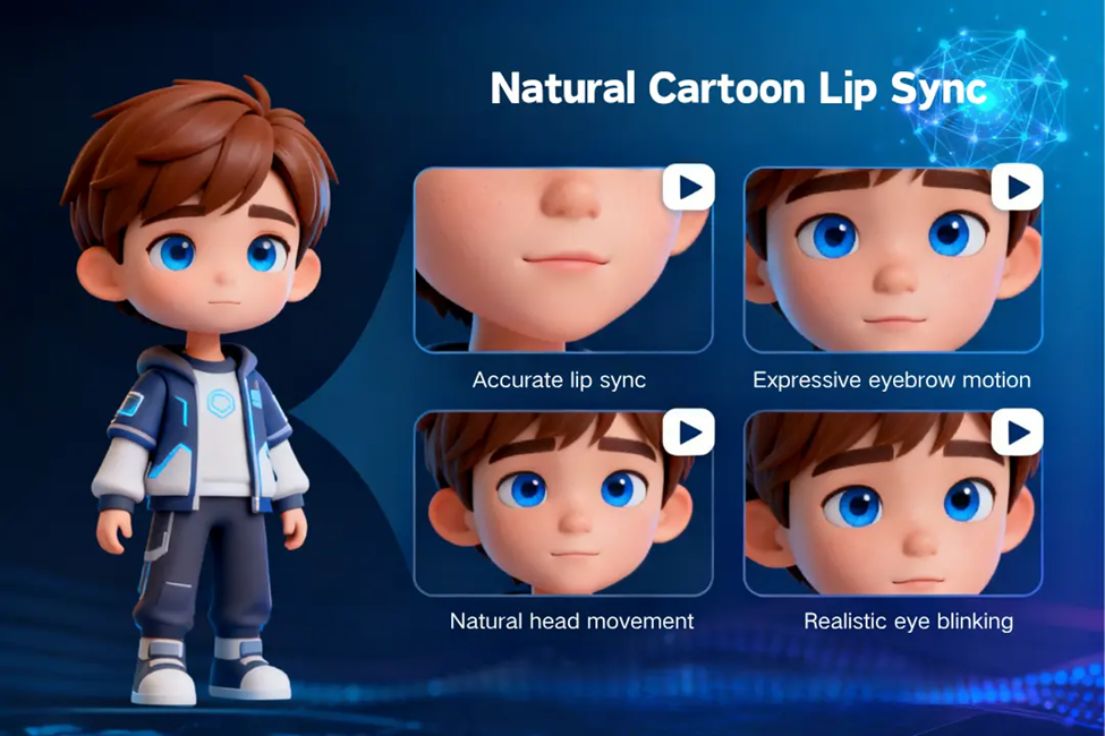

In the past, creating animated content meant expensive software, long production cycles, and specialized skills. Today, the rise of the AI Talking Cartoon Generator is changing that entirely. With just a single image and a script, creators can now produce expressive, speaking cartoon videos that feel alive—without animation experience.
But beyond the hype, how are people actually using this technology? And why are talking cartoons suddenly everywhere—from TikTok skits to educational explainers?
Let’s break it down with real-world scenarios, practical insights, and what makes this tool so powerful.
AI Talking Cartoon Generator: A New Era of Content Creation
The AI Talking Cartoon Generator uses advanced lip-sync and facial animation models to bring static characters to life. It analyzes audio or text input and generates realistic mouth movements, expressions, and subtle head motions.
Unlike traditional animation pipelines, which can take days or weeks, this process often takes minutes.
This shift is not just about speed—it’s about accessibility. According to recent creator economy trends, over 65% of short-form video creators now use AI-assisted tools to streamline content production. Talking cartoon generators are a major part of that shift.
AI Talking Cartoon Generator in Real Use Cases
1. Short-Form Content: Turning Memes into Stories
One of the most common use cases is short-form content on platforms like TikTok, YouTube Shorts, and Instagram Reels.
Creators take popular cartoon characters—think sponge-like sea creatures, talking cats, or stylized anime avatars—and give them voices.
Example:
A creator uses a cartoon character inspired by a sarcastic sea sponge archetype and turns it into a daily “relatable rant” series. Each video is under 30 seconds but gains traction because the character feels expressive and consistent.
What makes this work:
● Strong personality through voice + expression
● Fast iteration (multiple videos per day)
● Familiar visual style lowers viewer friction
With tools like an AI talking cartoon generator, this entire workflow can be done without animation skills—just upload an image and add a script.
2. Educational Content: Simplifying Complex Topics
Teachers and educational creators are increasingly using talking cartoons to explain difficult concepts.
Example:
A YouTube educator creates a series where a cartoon version of a historical scientist explains discoveries in first-person narration.
Instead of slides or static visuals, the character speaks directly to the viewer:
● Eye contact improves engagement
● Facial expressions reinforce tone
● Voice adds emotional clarity
Studies show that video content with human-like faces increases retention by up to 2x compared to text-only formats. Even when the “face” is a cartoon, the effect still applies.
3. Brand Storytelling: Humanizing Digital Content
Brands are also adopting AI-generated talking cartoons to build identity without relying on human spokespersons.
Example:
A startup creates a mascot—a simple illustrated character—and uses it across:
● Product explainers
● Social media replies
● Customer onboarding videos
Instead of generic voiceovers, the mascot “talks” directly to users.
This approach:
● Builds brand recognition
● Reduces production costs
● Creates a consistent voice
Using an AI lip sync video tool, brands can maintain a steady content pipeline without hiring voice actors or animators for every update.
Why Talking Cartoons Perform So Well
1. Psychological Familiarity
Cartoons tap into nostalgia. Whether it’s characters inspired by childhood shows or internet meme culture, viewers instantly connect.
When those characters start speaking naturally, it creates a surprising and engaging effect—what some creators call the “uncanny delight” factor.
2. Low Barrier to Entry, High Creative Output
Traditional animation requires:
● Storyboarding
● Keyframing
● Rendering
AI tools remove most of that. This allows creators to focus on:
● Writing better scripts
● Testing ideas faster
● Scaling content production
Some creators now produce 10–20 videos per week, something impossible with manual animation.
3. Algorithm-Friendly Format
Platforms like TikTok and YouTube favor:
● Face-driven content
● High retention rates
● Frequent uploads
Talking cartoons check all three boxes:
● They simulate “face-to-camera” videos
● They keep viewers watching longer
● They are quick to produce
From Static Image to Talking Character: How It Works
While different tools vary, most AI Talking Cartoon Generators follow a similar process:
Step 1: Upload a Character
This can be:
● A cartoon illustration
● A meme image
● A custom avatar
Step 2: Add Audio or Text
You can:
● Upload a voice recording
● Generate AI voiceovers
● Paste a script
Step 3: Generate Animation
The system creates:
● Lip synchronization
● Facial expressions
● Subtle movements
Step 4: Export and Publish
Videos are typically optimized for:
● Vertical formats (9:16)
● Social media platforms
The entire process can take just a few minutes.
Case Study: Viral Growth with Talking Cartoon Content
A mid-sized content creator experimented with AI-generated talking cartoons for 30 days.
Before:
● Static meme posts
● Average 5K views per post
After switching to talking cartoons:
● Daily video uploads
● Average 50K–120K views per video
● 3 videos exceeded 1M views
Key takeaway:
Adding voice and expression turned passive visuals into active storytelling.
Best Practices for Using an AI Talking Cartoon Generator
1. Focus on Script First
Even the best animation won’t save a weak script. Keep it:
● Conversational
● Short
● Emotion-driven
2. Build a Character Identity
Consistency matters:
● Same voice
● Same tone
● Same visual style
This helps audiences recognize your content instantly.
3. Use Trending Formats
Combine talking cartoons with:
● POV storytelling
● Relatable humor
● Reaction-style content
This increases shareability.
4. Optimize for Mobile Viewing
Most viewers watch on phones, so:
● Use large, clear visuals
● Keep subtitles concise
● Hook viewers in the first 3 seconds
The Future of AI Talking Cartoon Generators
We’re still early in this space.
Future developments will likely include:
● More nuanced emotional control
● Full-body animation
● Real-time interaction (live talking avatars)
As these tools evolve, the line between animation and real-time content will continue to blur.
Final Thoughts
The AI Talking Cartoon Generator isn’t just a novelty—it’s a shift in how content is created and consumed.
By turning static images into expressive, speaking characters, creators can:
● Tell better stories
● Produce content faster
● Connect with audiences more deeply
Whether you’re a solo creator, educator, or brand, this technology opens up new creative possibilities—without the traditional barriers of animation.
And in a world where attention is limited, bringing characters to life might be the edge that makes people stop scrolling.
Read More: VoIP Solutions: A Simple Guide to Better Business Communication


Leave a Comment