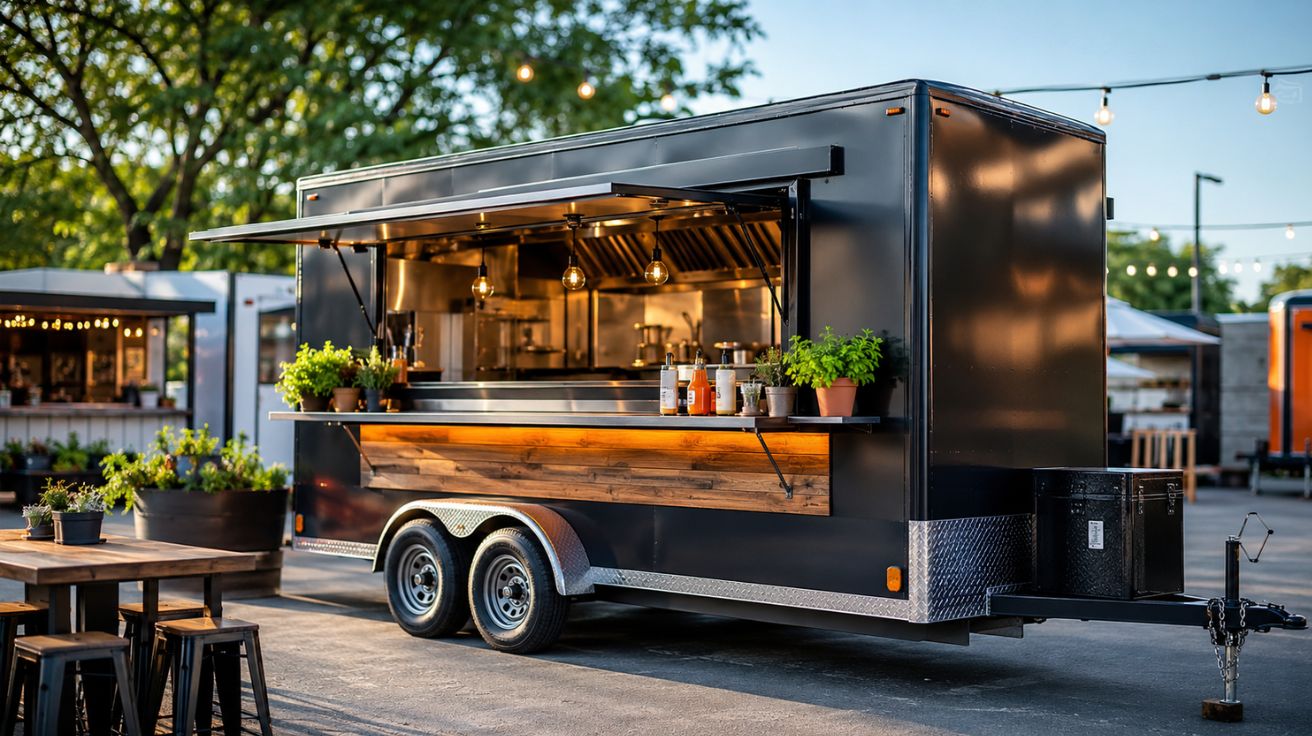

The mobile food industry has undergone a dramatic transformation over the past decade. What once consisted of simple carts and basic setups has evolved into a sophisticated, brand-driven marketplace where the physical appearance of your trailer is as important as the food you serve. Entrepreneurs entering this space are quickly discovering that success depends not only on culinary quality but on how effectively they communicate their brand identity through every touchable element of their business — including the trailer itself.
The Intersection of Manufacturing and Brand Identity
When most people think about launching a mobile food business, they focus on menu development, pricing strategy, and location scouting. Rarely do they consider how deeply the physical design of their concession trailer influences customer perception. Yet branding experts and seasoned food entrepreneurs alike agree: the trailer is the first impression, and in a crowded marketplace, first impressions are everything.
This is where the relationship between manufacturing and marketing becomes critically important. A well-built trailer that also reflects a cohesive visual identity can command premium pricing, attract loyal customers, and generate organic social media attention. The structure, layout, color scheme, signage placement, and even the materials used all contribute to how a brand is perceived before a single item is sold.
Why Physical Design Is a Brand Asset
Brand assets are not limited to logos and color palettes. In the mobile food industry, the trailer itself functions as a living, moving brand asset — one that travels through neighborhoods, parks, festivals, and events, constantly broadcasting a message to potential customers. A poorly designed trailer communicates disorganization and low quality. A thoughtfully crafted one signals professionalism, reliability, and pride in the product.
This concept aligns closely with what marketing professionals describe as “living branding” — the idea that brand identity should be dynamic, adaptable, and embedded into every physical and digital touchpoint. Explore why forward-thinking brands are embracing living logo strategies to understand how this philosophy is reshaping visual identity across industries, including food and hospitality.
Choosing the Right Manufacturing Partner
Not all concession trailers are created equal, and the manufacturer you choose will have a lasting impact on your business. The right manufacturing partner does more than weld steel and install equipment — they collaborate with you to ensure the final product reflects your brand vision, meets health and safety codes, and is built to withstand the demands of daily commercial use.
Working with experienced concession trailer manufacturers gives entrepreneurs access to industry expertise that goes far beyond basic construction. These professionals understand the nuances of workflow efficiency, equipment placement, ventilation requirements, and the structural considerations that make a trailer both functional and visually compelling. Choosing a manufacturer with a proven track record in the USA means you are investing in quality craftsmanship that will serve your business for years.
Key Factors to Evaluate When Selecting a Manufacturer
Before committing to a manufacturing partner, entrepreneurs should evaluate several critical factors:
- First, review the manufacturer’s portfolio of completed projects. A diverse portfolio demonstrates versatility and the ability to execute different brand aesthetics.
- Second, ask about customization capabilities — can they accommodate unique layouts, specialty equipment, or custom exterior finishes?
- Third, inquire about compliance with local and national health codes, as a trailer that fails inspection is a costly setback.
Additionally, consider the manufacturer’s communication process. Building a custom concession trailer is a collaborative project, and clear, consistent communication throughout the design and construction phases is essential to achieving the outcome you envision. Manufacturers who offer design consultations, progress updates, and post-delivery support are worth the investment.
Branding Strategy for Mobile Food Businesses
Once the trailer is built, the branding work is far from over. Mobile food businesses must develop a comprehensive marketing strategy that extends their brand presence beyond the physical trailer. This includes:
- Social media content
- Event marketing
- Community engagement
- Partnerships with local businesses or venues
Interestingly, the principles that guide successful hotel and hospitality marketing translate remarkably well to the mobile food industry. Both sectors rely on creating memorable experiences, building emotional connections with customers, and maintaining consistent brand messaging across multiple touchpoints. Understanding how a specialised marketing agency can elevate brand presence offers valuable insights that mobile food entrepreneurs can adapt to their own growth strategies.
Consistency Across Every Customer Touchpoint
Brand consistency is the foundation of customer trust. For mobile food businesses, this means ensuring that the visual identity displayed on the trailer matches the packaging, uniforms, social media profiles, and any printed materials. When every element tells the same story, customers develop a stronger sense of familiarity and loyalty.
Color psychology plays a significant role here. The colors chosen for a trailer’s exterior should align with the emotional tone of the brand. Warm reds and yellows evoke energy and appetite, while earthy greens and browns suggest natural, wholesome ingredients. These choices should be intentional and consistent across all brand materials.
Craftsmen Industries: A Brand-Focused Approach to Trailer Manufacturing
Among the leading names in the concession trailer manufacturing space, Craftsmen Industries has built a reputation for combining structural excellence with brand-forward design thinking. Their approach recognizes that entrepreneurs are not simply purchasing a vehicle — they are investing in a mobile brand platform that will represent their business in every market, festival, and street corner they visit.
What distinguishes manufacturers like Craftsmen Industries is their understanding that the trailer must serve dual purposes: operational efficiency and brand communication. Their team works closely with clients to ensure that the final product is not only built to last but designed to attract attention and reinforce brand identity at every opportunity. This philosophy positions them as a strategic partner rather than simply a vendor.
Long-Term Value of Quality Manufacturing
Investing in a high-quality concession trailer from a reputable manufacturer is a long-term business decision. Cheaper alternatives may reduce upfront costs but often result in higher maintenance expenses, shorter operational lifespans, and a less polished appearance that undermines brand credibility. Quality manufacturing, by contrast, delivers a trailer that performs reliably, looks professional, and holds its value over time.
For entrepreneurs serious about building a sustainable mobile food business, the trailer is not an expense — it is an investment in the brand’s future. Every dollar spent on quality construction and thoughtful design pays dividends in customer perception, operational efficiency, and long-term business growth.
Conclusion: Building a Brand That Moves
The mobile food industry rewards those who understand that success is built on more than great recipes. It requires strategic thinking about brand identity, customer experience, and the physical assets that represent your business in the world. Choosing the right concession trailer manufacturer is one of the most important decisions an entrepreneur will make — one that shapes not only how the business operates but how it is perceived by every customer who encounters it.
By approaching trailer selection with the same intentionality applied to menu development and marketing strategy, mobile food entrepreneurs position themselves for lasting success in a competitive and rapidly evolving marketplace. The trailer is not just where the food is made — it is where the brand comes to life.
Read More: What Procurement Teams Should Review Before Buying Centrifugal Air Compressors


Leave a Comment