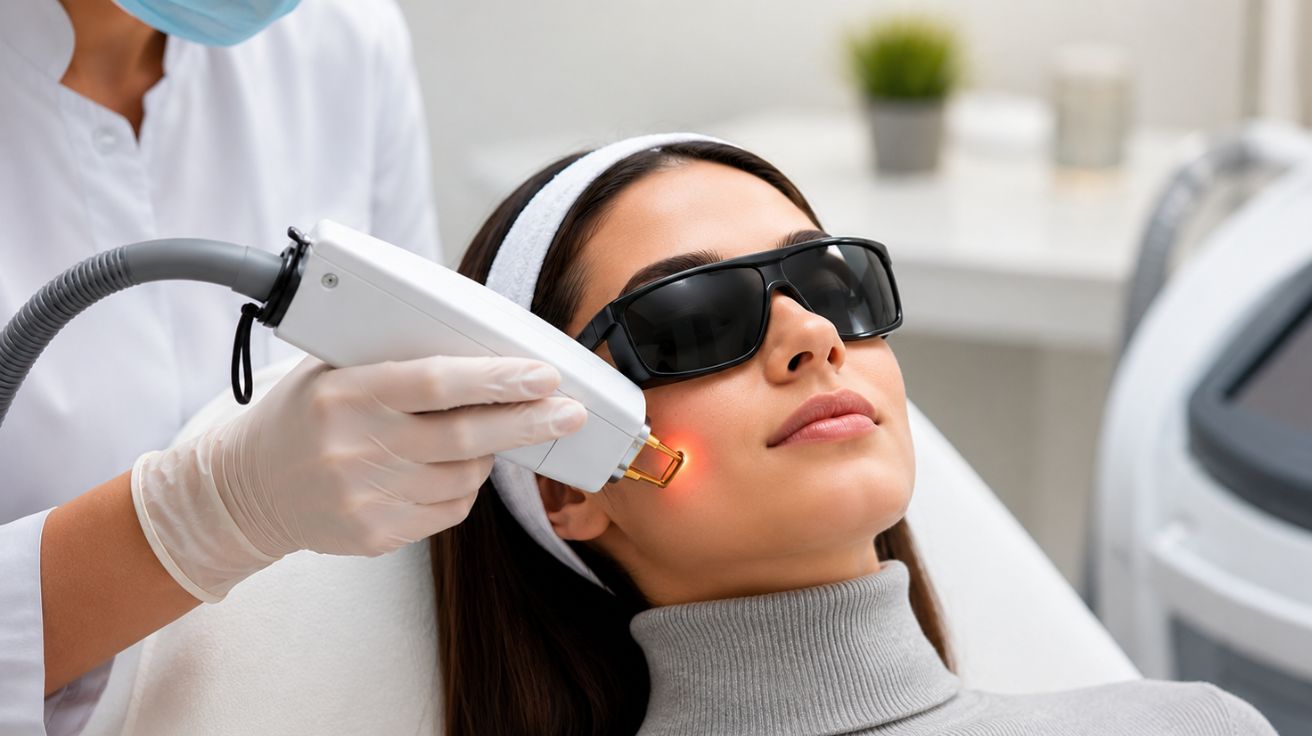

Laser-based skin procedures can be useful for many concerns, but they are often misunderstood. Patients may hear the word “laser” and assume it means one machine, one session, one result, and one standard price. In reality, dermatology laser procedures are planned based on the concern being treated, the patient’s skin tone, the depth of the problem, the type of laser used, and the safety precautions needed before and after treatment.
A responsible laser treatment does not begin with the machine. It begins with a consultation.
Laser Is a Tool, Not a Diagnosis
One of the biggest mistakes patients make is asking for a laser before knowing what their skin concern actually is.
A patient may say:
- “I need a laser for pigmentation.”
- “I need a laser for scars.”
- “I need a laser for dull skin.”
- “I need a laser for hair.”
- “I need a laser for marks.”
But these descriptions are too broad.
Pigmentation can mean melasma, acne marks, tanning, freckles, or post-inflammatory darkening. Scars can be rolling, boxcar, ice-pick, or mixed. Facial hair may be genetic, hormonal, or linked to an underlying condition.
The dermatologist first needs to know what is being treated. Only then can a laser be considered.
Not Every Skin Concern Needs Laser
Laser treatment is helpful in the right case, but it is not always the first step.
Sometimes a patient needs:
- Acne control first
- Barrier repair
- Sunscreen correction
- Pigmentation creams
- Anti-inflammatory treatment
- Dandruff or scalp care
- Medical treatment for infection
- Chemical peels
- Lifestyle trigger correction
- Time for the skin to settle
Using a laser too early can worsen some conditions. For example, treating active irritation or unstable pigmentation aggressively may increase darkening.
A good dermatologist should be comfortable saying, “Not yet,” or “This is not the right treatment for you.”
Different Lasers Do Different Jobs
There is no single laser for every concern.
Laser and light-based treatments may be used for:
- Hair reduction
- Pigmentation
- Acne scars
- Skin resurfacing
- Tattoo removal
- Vascular marks
- Texture improvement
- Rejuvenation
- Fine lines
- Open pores
Each concern may need a different device, wavelength, energy setting, session plan, and aftercare routine.
This is why comparing laser prices without knowing the treatment type is usually meaningless.
Skin Tone Changes the Safety Plan
Indian skin needs careful laser planning because it is more prone to post-inflammatory pigmentation when irritated.
This does not mean lasers are unsafe. It means the settings, device choice, and aftercare must be appropriate.
A dermatologist may consider:
- Skin tone
- Tanning history
- Pigmentation tendency
- Previous laser reactions
- Current skincare
- Sensitivity
- Sun exposure
- Skin barrier condition
The safer route may sometimes involve lower settings, more gradual sessions, patch testing, or stronger pre-care and post-care.
That caution is a good sign.
Laser Hair Reduction Is Not the Same as Permanent Hair Removal
Patients often expect laser hair reduction to remove every hair permanently. That expectation needs correction.
Laser hair reduction usually reduces hair growth over multiple sessions. It may make hair finer, slower-growing, and less dense. But some patients may need maintenance sessions, especially if there are hormonal triggers.
Results depend on:
- Hair thickness
- Hair colour
- Skin tone
- Treatment area
- Hormonal status
- Session consistency
- Device type
- Maintenance plan
A clinic promising total permanent removal for every patient is overselling.
Acne Scar Laser Needs Patience
Acne scar treatment is usually a longer journey because scars are structural changes in the skin.
Laser treatment may help improve texture by stimulating collagen remodelling, but results are gradual. Deep scars rarely disappear completely.
A dermatologist may combine lasers with:
- Subcision
- Microneedling
- PRP
- Chemical peels
- Acne control
- Topical treatment
- Scar-specific procedures
The plan depends on scar type. Ice-pick scars, rolling scars, and boxcar scars may need different approaches.
Patients should expect improvement, not perfection.
Pigmentation Laser Requires Special Caution
Pigmentation is one of the trickiest areas in laser dermatology.
Some pigment concerns respond well to targeted treatment. Others, especially melasma or irritation-related pigmentation, may worsen if treated aggressively.
Before laser, the dermatologist may ask about:
- Sun exposure
- Hormonal triggers
- Previous creams
- Recent peels
- Skin sensitivity
- Sunscreen use
- Pregnancy or hormonal medication
- History of pigmentation after injury
Pigmentation treatment should never be rushed. The safest plan often includes sunscreen, topical care, and gradual treatment.
Pre-Treatment Preparation Matters
Laser outcomes depend partly on how well the skin is prepared.
Before a laser procedure, patients may be advised to:
- Avoid tanning
- Stop harsh actives temporarily
- Avoid scrubs
- Treat active acne first
- Avoid waxing before the hair laser
- Use sunscreen regularly
- Inform the doctor about medicines
- Share pregnancy status if relevant
- Avoid recent peels or facials
- Follow pre-care creams if prescribed
Skipping pre-care may increase the risk of irritation, burns, or pigmentation.
Aftercare Is Part of the Treatment
A laser session does not end when the patient leaves the clinic. Aftercare is part of the procedure.
Depending on the laser, aftercare may include:
- Sunscreen
- Gentle cleansing
- Moisturiser
- Avoiding heat
- Avoiding harsh products
- Not picking peeling skin
- Avoiding direct sun exposure
- Using prescribed creams
- Returning for follow-up if needed
Patients who ignore aftercare may reduce their results or increase side effects.
This is especially important after pigmentation and resurfacing treatments.
Some Downtime May Be Normal
Different laser procedures have different recovery patterns.
Some treatments have little visible downtime. Others may cause redness, swelling, peeling, crusting, sensitivity, or temporary darkening.
Patients should ask clearly:
- Will I look red after treatment?
- Can I go to work the next day?
- Will my skin peel?
- How long will healing take?
- Can I wear makeup?
- When can I exercise?
- What should I avoid?
- When should I call the clinic?
Knowing downtime in advance helps patients plan better and avoid panic.
Side Effects Are Possible
Laser treatment is commonly performed, but it is not risk-free.
Possible side effects may include:
- Redness
- Swelling
- Burning sensation
- Temporary darkening
- Light patches
- Crusting
- Blistering
- Scarring in rare cases
- Pigmentation changes
- Acne flare
- Sensitivity
The risk depends on the laser type, skin tone, settings, aftercare, and patient factors.
A trustworthy clinic explains these risks before treatment rather than pretending the laser is completely harmless.
Results Are Usually Gradual
Patients often expect dramatic change after one session. That is not realistic for many laser procedures.
Laser hair reduction needs multiple sessions because hair grows in cycles. Acne scars need collagen remodelling over time. Pigmentation may fade gradually. Rejuvenation may need repeated sessions for visible texture improvement.
A good treatment plan should explain:
- Expected number of sessions
- Approximate improvement timeline
- Maintenance needs
- What result is realistic
- What may not improve fully
- When should treatment be reviewed
This helps patients judge progress properly.
Cost Should Be Discussed as a Full Plan
Per-session pricing can be misleading.
A patient should understand the full plan:
- Consultation fee
- Laser session cost
- Number of sessions
- Pre-care products
- Post-care products
- Follow-up visits
- Combination procedures
- Maintenance sessions
- Possible additional treatments
A cheap single session may not be cheaper if the overall plan is unclear or incomplete.
Patients should ask for a realistic estimate before starting.
Who Performs the Procedure Matters
Laser treatment should be performed or supervised by trained professionals under appropriate medical guidance.
Before starting, ask:
- Who will assess my skin?
- Who will perform the laser?
- Is a dermatologist involved?
- What experience does the clinic have with my concern?
- What device is being used?
- How are settings chosen?
- What happens if I react badly?
The person handling the laser matters as much as the machine itself.
The Clinic Should Not Rush the Decision
A laser consultation should not feel like a sales pitch.
You should have time to understand:
- What condition do you have
- Why is a laser recommended
- Whether alternatives exist
- What risks apply
- What result is realistic
- How many sessions may be needed
- What the total cost may be
- How aftercare works
If the clinic pushes a package before assessing your skin properly, pause.
Before-and-After Photos Need Context
Before-and-after images can be useful, but they should not be treated as guarantees.
Photos may differ because of:
- Lighting
- Makeup
- Camera angle
- Skin type
- Severity
- Number of sessions
- Other treatments used
- Time gap
- Editing
- Hair styling
- Maintenance care
Ask what result is realistic for your skin, not what happened in the most dramatic photo.
When Laser Should Be Avoided or Delayed
Laser treatment may need to be postponed if:
- The skin is infected
- There is active inflammation
- The patient is heavily tanned
- The skin barrier is damaged
- There are open wounds
- The patient recently had harsh procedures
- Certain medicines are being used
- The diagnosis is unclear
- Pregnancy or medical status requires caution
- Expectations are unrealistic
Delaying treatment can be the safer decision.
Questions Every Patient Should Ask
Before any laser procedure, ask:
- What exactly is my diagnosis?
- Why is a laser suitable for me?
- Which laser will be used?
- Is it safe for my skin tone?
- How many sessions may I need?
- What side effects can happen?
- What downtime should I expect?
- What aftercare is required?
- What will the total cost be?
- What improvement is realistic?
- What happens if I do not respond?
- Are there non-laser alternatives?
A good dermatologist should answer clearly.
Final Word
Laser-based skin procedures can help with hair reduction, pigmentation, scars, texture, tattoo removal, rejuvenation, and selected vascular concerns. But a laser is not one treatment, and it is not suitable for every skin problem.
The safest laser journey starts with diagnosis, skin-tone assessment, realistic expectations, proper device selection, and clear aftercare. Dermatology laser procedures should feel medically planned, not casually sold.
If you are considering laser treatment, do not begin with the cheapest package or the most dramatic advertisement. Begin with a careful consultation that explains what your skin needs and why.
Read More: Are Electric Toothbrushes Really Better Than Manual Toothbrushes for Your Oral Health?


Leave a Comment