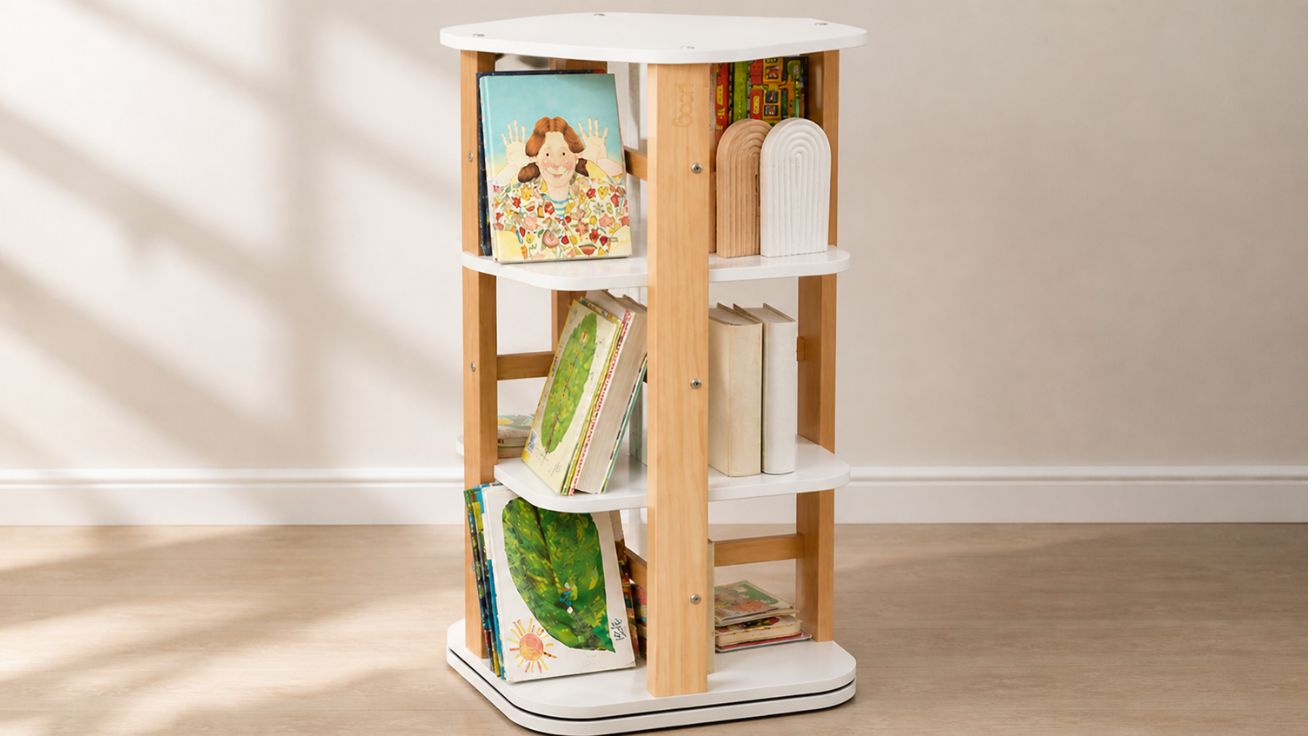

Kids bookshelves are one of the most consistently valuable pieces of furniture in a UK child’s bedroom, and one of the most commonly chosen without adequate specification research. The bookshelf that genuinely supports the reading habit, presenting books visibly and accessibly at the child’s height in a format that encourages independent selection, is a different purchase from a bookshelf that simply provides somewhere to keep books. For UK families looking for kids bookshelves that actively support rather than simply store, understanding what distinguishes an effective children’s bookshelf from a generic one is the essential starting point.
Key Takeaways
- Kids bookshelves are most effective when books are displayed with covers facing outward at the child’s eye level, particularly for children under six who navigate books by cover image rather than title.
- The bookshelf height relative to the child’s standing eye level determines whether independent book selection is achievable from the earliest relevant age or always requires adult assistance.
- Safety specifications including non-toxic finish, wall anchoring provisions, rounded edges, and stable construction are baseline requirements for any bookshelf in a child’s unsupervised bedroom.
- Construction quality determines whether kids bookshelves remain structurally sound and visually intact through the years of intensive daily use they receive in a child’s bedroom.
- Visual integration with the room’s existing furniture creates a coherent bedroom aesthetic that supports the reading environment’s calm, organised character.
Kids Bookshelves By Format And Age Stage
| Bookshelf Format | Best Age | Display Style | Capacity | UK Room Suitability |
|---|---|---|---|---|
| Low front-facing shelf | 6 months to 5 years | Covers outward at floor level | 10 to 20 books | Any size UK bedroom |
| Mid-height front-facing bookcase | 2 to 7 years | Covers outward, multiple rows | 20 to 40 books | Standard bedrooms |
| Standard spine-out bookcase | 5 years and up | Spines outward, adjustable shelves | 50 to 120 books | Standard and larger rooms |
| Combined shelf and storage unit | 18 months and up | Covers outward plus bins | 15 to 25 books displayed | Any size UK bedroom |
| Rotating bookshelf | 1 to 8 years | Covers outward, all sides | 40 to 80 books | Small UK bedrooms |
What Makes Kids Bookshelves Effective
Book Visibility Is The Core Function
The single most important quality in kids bookshelves is whether they make books visible. A front-facing bookshelf with covers facing outward at the child’s eye level makes every book in the active display immediately identifiable without any searching, pulling out, or adult guidance. A spine-out bookshelf at adult height makes the same books effectively invisible to a child under six who cannot read titles and cannot reach the upper shelves. The difference in independent book selection frequency between these two formats for a child under six is substantial and directly affects the consistency of the reading habit across the daily hours the child spends in their bedroom.
Height For Independent Access
Kids bookshelves are effective only when the child can reach the books without adult help. The lowest shelf of any bookshelf intended for a child under eight should be at or below the child’s standing eye level. Upper shelves can extend higher but should not place the majority of the displayed books out of comfortable reach from the floor. A bookshelf where the interesting books are all on the higher shelves and only the least appealing titles are at the child’s reach produces a selection pattern that does not reflect the child’s actual reading interests and preferences.
Construction For Intensive Daily Use
Kids bookshelves in an active child’s bedroom receive more intensive daily use than their equivalent in an adult’s study. They are loaded and partially unloaded multiple times a day as the child browses and returns books. They are occasionally leaned against by a child who uses a shelf edge for balance. They must hold the combined weight of a full children’s book collection, which includes heavy hardcover picture books, without shelf bowing or join failure. Quality construction with appropriate panel thickness and reinforced joins at stress points is the baseline for kids bookshelves that serve the full primary school years without structural deterioration.
For quality kids bookshelves in front-facing and standard bookcase formats suited to UK children’s bedrooms, browse the full Boori bookshelf collection.
Frequently Asked Questions
How Do I Choose Between A Front-Facing And A Spine-Out Bookshelf For My UK Child?
Choose based on the child’s age and reading stage. For children under six who navigate books by cover image, front-facing display is significantly more effective. For children from around age five who can reliably read titles on spines, a mixed format or standard spine-out bookcase with higher capacity suits the growing reading collection. For most UK families, a front-facing shelf introduced at six months and a standard bookcase added at five or six years provides the most effective reading environment across the full childhood span.
What Width Of Kids Bookshelves Fits A Small UK Bedroom?
Kids bookshelves of 40 to 80 centimetres in width fit most UK single bedroom wall spaces without crowding adjacent furniture. Rotating bookshelves and narrow wall-mounted ledge shelves provide front-facing book display within the smallest possible floor footprint for very space-constrained UK bedrooms.
Should Kids Bookshelves Be Wall-Anchored In A UK Bedroom?
Yes. All freestanding kids bookshelves in a child’s bedroom should be wall-anchored to a solid fixing point regardless of how stable the unit appears when empty. The combined weight of a full book collection significantly raises the centre of gravity of a loaded bookshelf, and a child leaning against or pulling on the shelves during browsing applies lateral force that can cause tipping in an unanchored piece.
Are Painted Or Timber-Finish Kids Bookshelves Better For A UK Bedroom?
Both work well in a UK child’s bedroom provided the finish is non-toxic and certified to children’s furniture safety standards. Natural timber finishes tend to suit rooms with warm palettes and natural material themes. White or neutral painted finishes suit cleaner, lighter colour schemes and coordinate with a wider range of bedding and accessory colours. The key is choosing a finish that coordinates with the room’s existing furniture rather than standing visually apart from it.
Final Thoughts
Kids bookshelves chosen with the correct display format for the child’s age, the right height for independent access, appropriate safety specifications, and quality construction suitable for intensive daily use serve as the physical foundation of the reading habit across the UK primary school years and beyond. The specification decisions made at the point of purchase determine whether the bookshelf actively supports reading or simply provides a surface for books to be stored and gradually forgotten.
Read More: How Do You Choose The Right HVAC System During The Planning Stage?


Leave a Comment