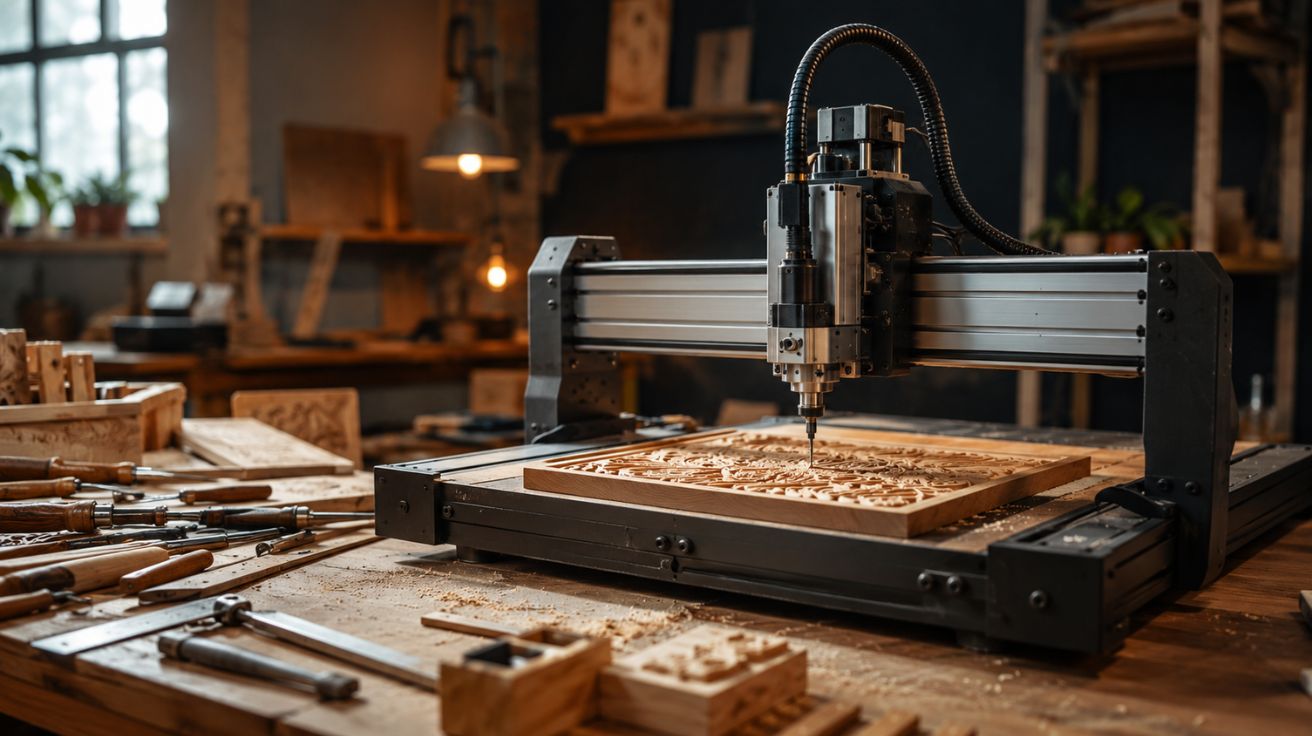

In the past, the power of a computer-controlled cutting system was reserved for large factories with big budgets. Today, desktop versions of these machines offer the same level of professional accuracy while fitting on a workbench or in a home garage. This article explores how these small but powerful machines are democratising the world of manufacturing and opening up new opportunities for entrepreneurs.
Professional Results in a Compact Package
One of the impressive things about modern desktop machines is that they do not sacrifice quality just because they are smaller in size. These units use the same digital logic and precise motors as their industrial cousins, ensuring that your projects are finished with a high level of detail. You can create intricate carvings and smooth curves that look like they were made by a large-scale production house.
Lowering the Barrier to Starting a Business
Starting a manufacturing company required a large amount of capital to purchase heavy equipment. Desktop machinery has changed this equation by offering a much more affordable entry point for people who want to test their ideas in the market. Also, you can start small, producing custom items for local clients or online shops, and only upgrade your equipment as your revenue begins to grow.
Rapid Prototyping and Creative Innovation
When you have a machine sitting right on your desk, the time it takes to go from a digital sketch to a physical object is reduced to just a few hours. This speed allows you to experiment with different designs and make quick adjustments if something does not fit quite right the first time. Plus, you are no longer waiting weeks for a third-party supplier to send you a prototype, which keeps your creative momentum.
Versatility Across Diverse Creative Projects
Despite their small size, these cnc machines are flexible and can handle a surprising variety of materials, including timber, plastics, and soft metals. You are not limited to just one type of product, allowing you to pivot your business based on what is popular or what your customers are asking for. Spend one day making custom signs and the next creating delicate parts for a musical instrument or a piece of furniture.
Easy Learning Curves for Modern Users
Manufacturers have worked hard to make the software and interfaces for desktop machines as user-friendly as possible. You do not need a degree in engineering to understand how to load a design and set the machine in motion, as many programmes now use drag-and-drop features. There is a community of makers who share tips and advice to help you get the most out of your equipment.
Maximising Space and Resource Efficiency
For many small-scale makers, space is the most valuable resource, and desktop machinery is designed to make the most of every centimetre. Because they are so precise, they help you save money on materials by cutting parts as close together as possible, which reduces the amount of timber that goes to waste. Efficiency in space and materials is key to keeping your costs low and your small business profitable.
On-Demand Production Without Large Inventories
One of the biggest risks for any product-based business is having too much stock sitting on a shelf that does not sell. With a desktop machine, you can adopt an on-demand model where you only manufacture an item once a customer has actually paid for it. This eliminates the need for a large storage area and ensures that your cash is not tied up in unsold inventory that might go out of style.
A New Era for Small-Scale Manufacturing
The rise of desktop technology represents a shift in how we think about making and selling products in our local areas. By bringing industrial-grade precision to the desktop, these tools are empowering a new generation of makers to build high-quality brands from the comfort of their own homes. Embracing this technology ensures that your creative business remains agile and ready for a productive future.
Read More: 7 Ways a Specialised Hotel Marketing Agency Can Elevate Your Brand Presence


Leave a Comment