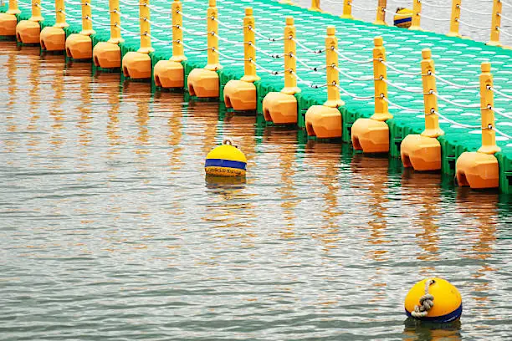

For B2B companies that work in waterfront development, marina building, or industrial docking, the floating docks they choose have an impact on operational safety, efficiency, and return on investment. More than other materials, plastic floating docks are appreciated for their modularity, non-corrosive materials, and lower overall upkeep than other types of docks, whether wooden or metal.
Hiseadock, one of the top companies in the field, offers dependable modular systems that are tailored for durability and can be used for both recreational and commercial versatility. You can view his extensive offerings of waterfront solutions here:https://www.hiseadock.com/fr/waterfront-solutions/ .
This article discusses some of the most important ways to maintain the floating plastic docks and provides the best practices for dock care, installation, materials, and methods to most effectively serve the demanding B2B plastics environments.
What Factors To Consider When Assessing Dock Durability
For commercial plastic floating docks, several operational and environmental factors affect the long-term performance of plastic floating docks. As commercial operators, it is important to understand how these factors affect operational strategies, and how to reduce operational wear, and enhance operational spend.
Environmental Exposure
Plastic docks can be subjected to the elements including UV exposure, temperature, and water salinity. If no UV protectant is incorporated into the docks, prolonged exposure can lead to fading and fatigue. Docks from Hiseadock offer UV protection as an integral part of the construction with the use of high-density polyethylene (HDPE), thus giving them greater environmental durability.
Water Movement and Load Stress
Water movement from heavy waves, strong currents, and repeated boat traffic can cause connectors to loosen over time and lead to a loss in buoyancy. Good anchoring and flexible connectors help to absorb movement.
Chemical and Biological Effects
Oils, fuels, and industrial cleaning agents can all be harmful to docks. Containment and drainage systems that utilize cleaning protocols can help reduce the detrimental effects of chemicals on plastics.
Improper Installation or Overloading
In these cases, the improper use of a dock can be detrimental and lead to weaker joints, and cause a dock to be unbalanced. This can be avoided by ensuring that the appropriate guidelines are followed, and that installations are completed by professionals.
It is noted that with the right supervision, docks made with HDPE can last upwards of 15-20 years, giving them a solid ROI for business applications.
Choosing Superior Quality Materials and Components.
How a floating plastic dock gets its quality starts from the materials and components used during design and construction. Not every plastic construction provides the same performance for commercial purposes.
High-Density Polyethylene (HDPE) is considered the premier choice for the construction of professional-grade docks. Its non-corrosive and impact-resistant traits gives it many strong advantages for construction in a marine environment as it is superior to the alternative materials of wood, aluminum, or composites in both performance and cost.
High quality materials have the following attributes:
- UV resistance: To prevent the plastic from surface cracking and fading.
- Anti-slip surfaces: To provide worker safety in all conditions, especially when the surfaces are wet.
- Corrosion-proof fittings: Marine conditions are tough and the connectors made of stainless steel or reinforced polymer are used to withstand the connectors in extremely tough marine conditions.
- Load-tested buoyancy blocks: For industrial purposes, to provide safety and stability.additional buoyancy blocks are always available.
Using modular connection systems, Hiseadock is capable of designing fully customizable systems. The separation of each component is intended to provide versatility, and can make the dock system ideal for industrial-grade construction.
Designing a project using robust materials is a huge and long lasting positive re-enforcement for B2B operators.
Setting Up a Preventive Maintenance Schedule
All floating docks require a bit of maintenance. Making sure inspections, cleanings, and repairs are done on a regular basis helps ensure safety, compliance, and functionality. It will also help prevent repairs that may be costly.
Regular inspections
Every month, do a visual inspection to see if you can find cracks and loose connectors. Make sure to look for unbalanced buoyancy. These are the first tissues that may be problematic.
Cleaning and surface care
Cleaning algae, dirt, and oil build up are slip hazards, and are the start of undermining dirt that may be mold. Using mild detergents will be a way to clean the surface, and hosing it off does not require a vacuum, and polymer strength will be fortified.
Connector and hardware checks
periodically make sure to look over rusting hinges and loose connector pins. Adjusting the bolts and replacing them will help the dock stay in the right position and will help make sure it is safe and stable.
Buoyancy verification
Make sure to look at the dock in high and low tides to see if it is sinking at all. If the dock does not look like it is sinking at all the foam in the partition may be broken and needs to be worked on.
Post-storm inspections
When recent storms happen, do inspections to see if anything got damaged. Systems and connectors can get stressed and if you do not do this quickly secondary damage may occur.
In the B2B field, detailed documentation of inspections helps streamline maintenance and provides important information for warranty and insurance documentation.
Adjusting to Seasonal and Environmental Issues
When it comes to floating dock maintenance, different climates and locations will pose different challenges. To provide optimal performance year round, B2B operators will need to modify their maintenance strategies based on the different regional conditions.
Cold Climates:
In some areas, water can freeze, and if docks become iced in at shallow water depths, ice can become a damaging factor. Prior to winter, docks should be unplugged and moved to deeper water or stored onshore. For permanent installations, ice-resistant anchoring systems should be deployed.
Tropical or Coastal Environments:
Frequent exposure to ultraviolet (UV) light and salt can cause further deterioration. Annually, put on a coat of UV defensive chemicals and after periods of saltwater exposure, wash the outer layers with freshwater.
High-Traffic Areas:
In commercial marinas and ports with significant docking traffic, modular reinforcement and anti-collision bumpers help to mitigate the impact on the dock and vessels.
Industrial Applications:
When docks are used with heavy machinery or cargo, regularly check the weight distribution and fastening anchor systems for their integrity. To remain in compliance with safety ordinances, it may become necessary to upgrade to reinforced connectors or pontoons.
Hiseadock’s modular floating docks are constructed with the versatility to withstand a range of different obstructive conditions. With the ability to interlock and utilize varying anchoring options for flexibility, floating docks can range from use in docile water bodies, to extreme and challenging open water seas.
Conclusion
The longevity and functionality of plastic floating docks lie in the optimal balance of quality materials, smart installation, and consistent maintenance. For B2B enterprises in the management of waterfront assets, these elements mean lower costs, better safety, and fewer disruptions to operations.
Working with reputable partners like Hiseadock guarantees that every dock system is engineered to meet the highest levels of environmental and design integrity. Their waterfront solutions offer industrial, commercial, and recreational sectors a tailored combination of modular flexibility, superior durability, and long-lasting economic value.
By fostering a culture of investment in floating docks of superior quality and, just as importantly maintaining them, businesses place themselves at a great competitive advantage as sustainability, coupled with operational efficiency, become the most sought-after attributes in post-modern business practices.


Leave a Comment