
Introduction
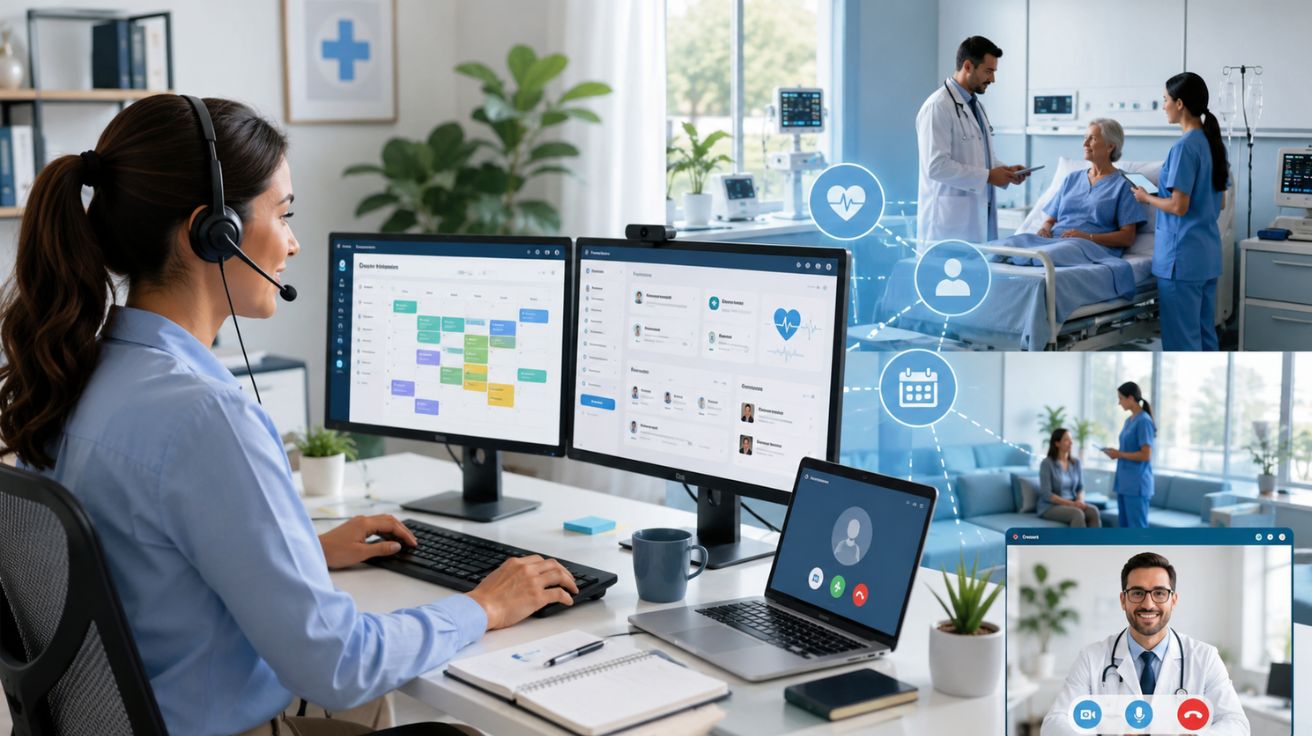
A remote patient services coordinator can help healthcare teams manage daily patient communication, scheduling, follow-ups, and administrative tasks with more consistency. In a busy clinic, medical office, telehealth company, or healthcare organization, patients often need quick answers and clear support. When communication is slow or disorganized, the whole experience can become stressful for both patients and staff.
Role Overview
The role of a remote patient services coordinator is to support the patient journey from the first contact to ongoing care. This may include answering calls, responding to messages, scheduling appointments, confirming visits, collecting basic information, coordinating follow-ups, and helping patients understand the next steps. The goal is not to replace clinical care. The goal is to make the process smoother, clearer, and easier to manage.
Challenges in Healthcare Communication
Healthcare teams often work under pressure. Providers need to focus on patients, front desk teams manage many requests at once, and managers must keep operations moving. If there is no dedicated person to coordinate patient services, small tasks can quickly become delays. Missed calls, unconfirmed appointments, incomplete forms, and unclear follow-ups can affect patient satisfaction and office efficiency.
Benefits of Remote Coordination
A remote coordinator can help reduce this pressure. Since many patient service tasks can be handled by phone, email, secure portals, and scheduling systems, remote support can work well for both small practices and larger healthcare companies. With the right tools and clear processes, a remote coordinator can become a reliable part of daily operations.
Use Cases
This role is especially helpful for practices that receive many inquiries, manage recurring appointments, work with telehealth patients, or need extra administrative support without adding more in-office staff. It can also help companies expand service hours, improve response time, and keep communication more organized.
Patient Coordinator
Role Importance
A patient coordinator helps connect patients, providers, and administrative teams. This role is important because patients often need help navigating appointments, forms, instructions, insurance questions, and follow-up steps. When patients feel guided, the whole healthcare experience feels less confusing.
Responsibilities
A patient coordinator may handle appointment scheduling, patient intake, reminder calls, document collection, basic insurance information, referral coordination, and communication between departments. In some offices, the coordinator also helps prepare patient records before visits, send instructions, and make sure patients know what to bring or complete before their appointment.
Organizational Value
The main value of a patient coordinator is organization. Healthcare involves many moving parts. A patient may need to schedule a visit, complete forms, confirm insurance, receive test instructions, attend an appointment, and then follow up afterward. If nobody tracks these steps, the process can become frustrating.
Patient Support
A good coordinator helps patients feel supported. They answer questions clearly, communicate with patience, and make sure important details do not get lost. This is especially important for patients who are nervous, busy, or dealing with ongoing health needs. Clear communication can make a big difference in how patients feel about the care they receive.
Workflow Improvement
For healthcare providers, a patient coordinator can also improve workflow. When appointments are confirmed, forms are completed, and patient information is organized, providers and clinical staff can work more efficiently. This can reduce delays, no-shows, and last-minute confusion.
Time Management
The role also helps protect staff time. Without a coordinator, nurses, providers, or office managers may spend too much time answering routine questions or chasing missing information. A coordinator can take over many of these administrative tasks, allowing the rest of the team to focus on higher-priority work.
Required Skills
A strong patient coordinator should be calm, organized, and good with people. They need to communicate clearly, follow procedures, and handle sensitive information with care. Since healthcare communication can be personal, professionalism and respect are essential.
Patient Services Coordinator
Role Overview
A patient services coordinator focuses on making sure patients receive the right support before, during, and after their care experience. This role can be useful in clinics, hospitals, telehealth companies, specialty practices, dental offices, mental health practices, and medical service organizations.
Key Responsibilities
Patient services coordinator responsibilities may include managing patient calls, scheduling appointments, confirming visits, handling intake forms, coordinating referrals, updating records, helping with billing questions, sending reminders, and supporting patient follow-up. The exact tasks depend on the organization, but the purpose is the same: make patient communication more organized and reliable.
First Impression
In many healthcare settings, patient experience starts before the appointment. If a patient cannot get a quick answer, does not understand the process, or feels ignored, they may lose trust before they ever meet the provider. A patient services coordinator helps create a better first impression by making communication clear and timely.
Post-Appointment Support
This role is also useful after appointments. Patients may need follow-up scheduling, instructions, lab reminders, referral updates, or help understanding the next step. A coordinator can make sure these details are handled properly. This reduces confusion and helps patients stay engaged with their care plan.
Remote Healthcare Support
For remote healthcare operations, a patient services coordinator can be especially valuable. Telehealth companies and multi-location practices often need centralized support. A remote coordinator can help manage communication across locations, time zones, or provider schedules. This makes the service feel more connected, even when the team is distributed.
Reducing No-Shows
A patient services coordinator can also help reduce no-shows. Appointment reminders, confirmation calls, and clear instructions can improve attendance. When patients know when to arrive, what to prepare, and how to reschedule if needed, the practice can manage its schedule more effectively.
Record Accuracy
Another important part of the role is record accuracy. Patient information must be updated carefully. Incorrect phone numbers, missing documents, wrong appointment details, or outdated insurance information can cause delays. A coordinator helps keep these records clean and current.
Flexibility with Remote Support
Hiring remote support for this role can give healthcare teams more flexibility. Instead of adding more front desk pressure, the organization can assign patient communication and coordination tasks to someone focused on that work. This can improve response time, reduce staff overload, and create a smoother experience for patients.
Skills and Tools
The best remote patient services coordinator is detail-oriented, patient, and dependable. They should be comfortable using scheduling software, electronic health records, phone systems, secure messaging tools, and internal communication platforms. They should also understand the importance of privacy and professional communication.
Conclusion
In the end, patient coordination is about trust. Patients want to know that someone is paying attention, that their questions matter, and that the next step is clear. Healthcare teams want fewer delays, better organization, and smoother daily operations.
A remote patient services coordinator can support both sides. They help patients feel guided and help healthcare teams stay organized. When this role is handled well, the result is better communication, fewer missed details, and a more professional patient experience from start to finish.
Read More: RANVOO AirJet X5: The Best Electric Toothbrush of 2026 for Sensitive Gums


Leave a Comment