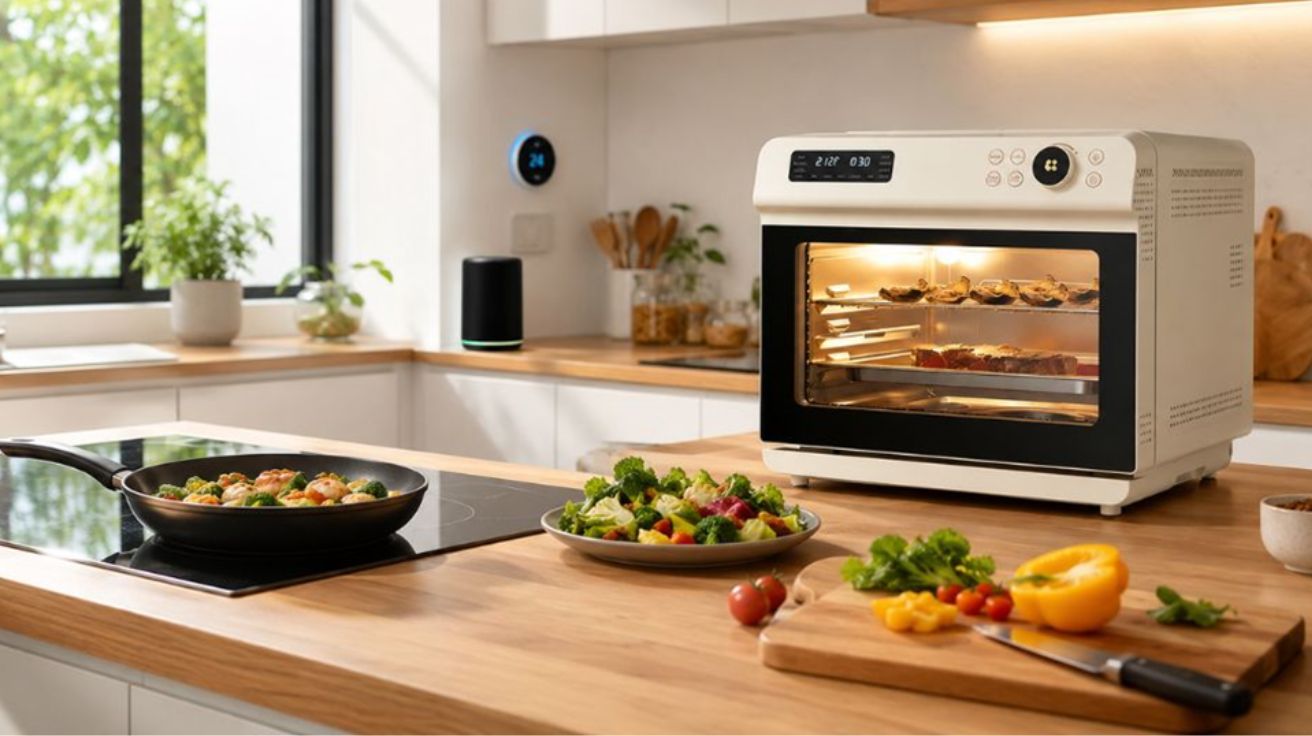

Introduction
Cooking at home has changed dramatically over the past decade as modern kitchen technology continues to reshape the way people prepare meals. What once relied on manual controls and traditional appliances now benefits from smart features, precise temperature management, and connected devices that make everyday cooking more efficient and consistent. From intelligent ovens and induction cooktops to automated cooking programs, today’s kitchens are designed to simplify meal preparation while improving convenience, energy efficiency, and cooking accuracy.
For homeowners, modern kitchen technology is more than a collection of advanced appliances. It represents a practical approach to creating a kitchen that saves time, reduces energy consumption, and supports better cooking results with less effort. Whether preparing a quick weekday dinner or experimenting with new recipes, modern innovations help make cooking more enjoyable and reliable. This article explores how kitchen technology is transforming home cooking, the benefits it offers, and the trends shaping the kitchens of the future.
Quick Takeaway
Key Benefits of Modern Kitchen Technology
- Improves cooking precision and consistency
- Helps reduce energy consumption
- Saves time during meal preparation
- Makes everyday cooking more convenient
- Supports healthier cooking methods
- Enhances overall kitchen efficiency
The Evolution of Modern Kitchen Technology in Everyday Homes
The modern kitchen has evolved from a space focused solely on cooking into a multifunctional environment that combines convenience, efficiency, and intelligent technology. Traditional kitchens relied heavily on manual controls, basic appliances, and constant supervision during cooking. While these methods remain effective, advances in digital technology have introduced smarter solutions that help homeowners achieve more consistent results with less effort. Features such as touchscreen controls, programmable settings, and precise temperature management have become increasingly common in kitchens of all sizes.
At the same time, connected appliances and automated cooking functions are changing everyday routines. Smart ovens, induction cooktops, and digital kitchen tools can adjust cooking settings more accurately, reduce unnecessary energy use, and simplify complex recipes. Rather than replacing traditional cooking skills, these technologies support home cooks by improving consistency and reducing common mistakes such as overcooking or uneven heating. As modern kitchen technology continues to develop, homeowners are gaining access to practical innovations that make meal preparation faster, more efficient, and better suited to today’s busy lifestyles.
How Smart Kitchen Appliances Are Changing Everyday Cooking
Smart kitchen appliances are changing the way people prepare meals by combining advanced technology with practical everyday features. Unlike traditional appliances that rely on manual controls, many modern devices include digital touchscreens, programmable cooking modes, built-in sensors, and wireless connectivity. These innovations help simplify cooking while giving users greater control over temperature, cooking time, and overall performance. As a result, preparing meals has become faster, more convenient, and more consistent for households of all sizes.
One of the biggest advantages of smart appliances is their ability to reduce guesswork. Smart ovens can automatically adjust cooking settings, induction cooktops respond instantly to temperature changes, and connected appliances allow users to monitor cooking progress remotely. These features improve cooking accuracy while helping prevent common mistakes such as overcooking or uneven heating.
Beyond convenience, smart kitchen appliances also improve energy efficiency and everyday cooking experiences. Optimized heating systems use energy more effectively, while automated programs reduce unnecessary cooking time. Together, these innovations help homeowners save time, reduce waste, and enjoy more reliable cooking results.
Why Precision Cooking Technology Delivers Better Results
Precision cooking technology helps home cooks achieve more consistent results by maintaining accurate temperatures throughout the cooking process. Traditional appliances often experience heat fluctuations that can affect food quality, while modern cooking technology is designed to provide stable and even heat distribution. This improves baking, roasting, and grilling by reducing uneven cooking and producing more predictable results with less effort.
Understanding the differences between a convection oven vs Conventional Oven can also help homeowners choose the most suitable cooking method for different recipes. Convection ovens circulate heated air to cook food more evenly, while conventional ovens rely on natural heat circulation. Selecting the right cooking method improves texture, browning, and overall food quality across a wide range of dishes.
In addition to improving cooking performance, precision technology reduces wasted ingredients by minimizing common cooking errors. Better temperature control allows recipes to be repeated with greater consistency, giving home cooks more confidence while making everyday meal preparation easier, more efficient, and more enjoyable.
Energy Efficiency and Sustainability in Modern Kitchens
Energy efficiency has become a major advantage of modern kitchen technology, helping homeowners reduce electricity usage while maintaining excellent cooking performance. Many modern appliances are designed with advanced heating systems, improved insulation, and intelligent power management that use energy more effectively than older models. Faster heating and more accurate temperature control also help shorten cooking times and reduce unnecessary energy waste.
Sustainability goes beyond lower utility bills. Precise temperature management reduces the risk of overcooking or burning food, helping minimize food waste. Many smart appliances also include eco-friendly cooking modes that optimize energy consumption without compromising cooking quality. These features support more responsible household energy use while making everyday cooking more efficient.
Homeowners can improve efficiency further by choosing energy-efficient appliances, using the correct cookware, and keeping equipment clean and well maintained. Combined with smart cooking habits, modern kitchen technology creates a more sustainable kitchen that saves energy, reduces waste, and supports long-term household savings.
How Kitchen Automation Makes Cooking Easier
Kitchen automation is simplifying home cooking by reducing manual tasks and making meal preparation more convenient. Features such as programmable cooking modes, digital timers, automatic shut-off systems, and sensor-based controls help users cook with greater confidence. Instead of constantly adjusting temperatures, home cooks can rely on preset programs that maintain consistent cooking conditions.
Many smart appliances also connect with mobile apps or voice assistants, allowing users to monitor cooking progress or receive notifications when meals are ready. Some appliances even recommend cooking settings based on the selected recipe, helping reduce common mistakes while improving cooking consistency. These features save time without replacing essential cooking skills.
Although automation improves convenience, it works best when combined with practical cooking knowledge. Understanding when to use automated settings and when manual adjustments are necessary helps achieve the best results. As modern kitchen technology continues to evolve, kitchen automation is making everyday cooking faster, easier, and more efficient for busy households.
Traditional Kitchen vs. Modern Kitchen Technology
| Feature | Traditional Kitchen | Modern Kitchen Technology |
| Temperature Control | Manual controls | Digital and precise controls |
| Cooking Accuracy | Depends on experience | Sensor-assisted consistency |
| Energy Efficiency | Higher energy use | Optimized power consumption |
| Convenience | Constant monitoring | Automated cooking programs |
| Connectivity | Standalone appliances | Smart and app-connected |
Healthier Cooking Through Modern Kitchen Technology
Modern kitchen technology is making it easier for homeowners to prepare healthier meals without adding complexity to everyday cooking. Advanced appliances provide more accurate temperature control, helping preserve the texture, flavor, and nutritional value of ingredients. Cooking methods such as steaming, air frying, and precise roasting allow meals to be prepared with less oil while still producing satisfying results. This makes it easier for families to enjoy balanced meals without sacrificing taste or convenience.
Smart cooking features also encourage healthier habits by reducing common cooking mistakes. Consistent heat distribution helps prevent overcooking, while programmable settings ensure food is cooked thoroughly without unnecessary exposure to high temperatures. As technology continues to improve, modern kitchens are supporting healthier lifestyles by making nutritious cooking more accessible, efficient, and reliable for everyday home use.
Future Trends That Will Shape Home Cooking
The future of home cooking will continue to be influenced by smarter, more connected kitchen technology. Artificial intelligence, advanced sensors, and improved automation are expected to make cooking even more personalized by recommending recipes, adjusting cooking settings, and helping users manage ingredients more efficiently. These innovations will continue to improve convenience while reducing food waste and unnecessary energy consumption.
As consumer expectations evolve, manufacturers are also focusing on combining performance with sustainable design and user-friendly features. Companies such as Ciarra Gadgets reflect this growing interest in practical kitchen innovations that support efficient, modern cooking without making technology unnecessarily complicated. As these advancements become more widely available, homeowners can expect kitchens that are smarter, more energy efficient, and better suited to everyday lifestyles.
Choosing Kitchen Technology That Fits Your Lifestyle
Choosing the right kitchen technology begins with understanding your cooking habits, available space, and long-term needs. Some households benefit most from smart ovens with automated cooking programs, while others may prefer energy-efficient induction cooktops or connected appliances that simplify daily meal preparation. Rather than selecting appliances based only on appearance or the latest features, homeowners should focus on solutions that improve convenience, efficiency, and reliability.
It is also important to consider energy consumption, maintenance requirements, and compatibility with your existing kitchen layout. Investing in technology that matches your lifestyle will provide greater long-term value while creating a cooking environment that is both practical and enjoyable. Careful planning ensures modern kitchen technology becomes a useful everyday tool instead of an unnecessary expense.
Conclusion
Modern kitchen technology has transformed home cooking by improving convenience, cooking accuracy, energy efficiency, and overall meal quality. Smart appliances, precision cooking features, and automation help simplify everyday tasks while supporting healthier cooking habits and reducing unnecessary energy use. These innovations allow homeowners to spend less time managing appliances and more time enjoying the cooking experience.
As technology continues to evolve, modern kitchens will become even more intelligent, efficient, and sustainable. Choosing appliances that align with your cooking habits and household needs can create lasting value while making meal preparation easier and more enjoyable. By understanding the practical benefits of modern kitchen technology, homeowners can make informed decisions that improve both their kitchens and their everyday cooking experiences.
FAQ
1. What is modern kitchen technology?
Modern kitchen technology refers to smart appliances, connected devices, and advanced cooking systems that improve efficiency, convenience, energy savings, and cooking accuracy in everyday home kitchens.
2. How do smart kitchen appliances improve cooking?
Smart kitchen appliances improve cooking by offering precise temperature control, automated cooking programs, digital timers, and remote monitoring, helping users prepare meals more consistently while reducing common cooking mistakes.
3. Is modern kitchen technology energy efficient?
Yes. Many modern appliances use advanced heating systems, smart sensors, and optimized power management to reduce electricity consumption while maintaining excellent cooking performance and lowering household energy costs.
4. What are the benefits of kitchen automation?
Kitchen automation saves time, improves cooking consistency, reduces manual work, and helps users manage meal preparation more efficiently through programmable settings, smart notifications, and sensor-based controls.
5. How should I choose modern kitchen technology?
Choose appliances based on your cooking habits, kitchen size, energy efficiency goals, maintenance requirements, and budget. Focus on practical features that improve your daily cooking experience rather than unnecessary technology.
Read More: How to Choose Slim Power Banks for Everyday Smartphone Use


Leave a Comment