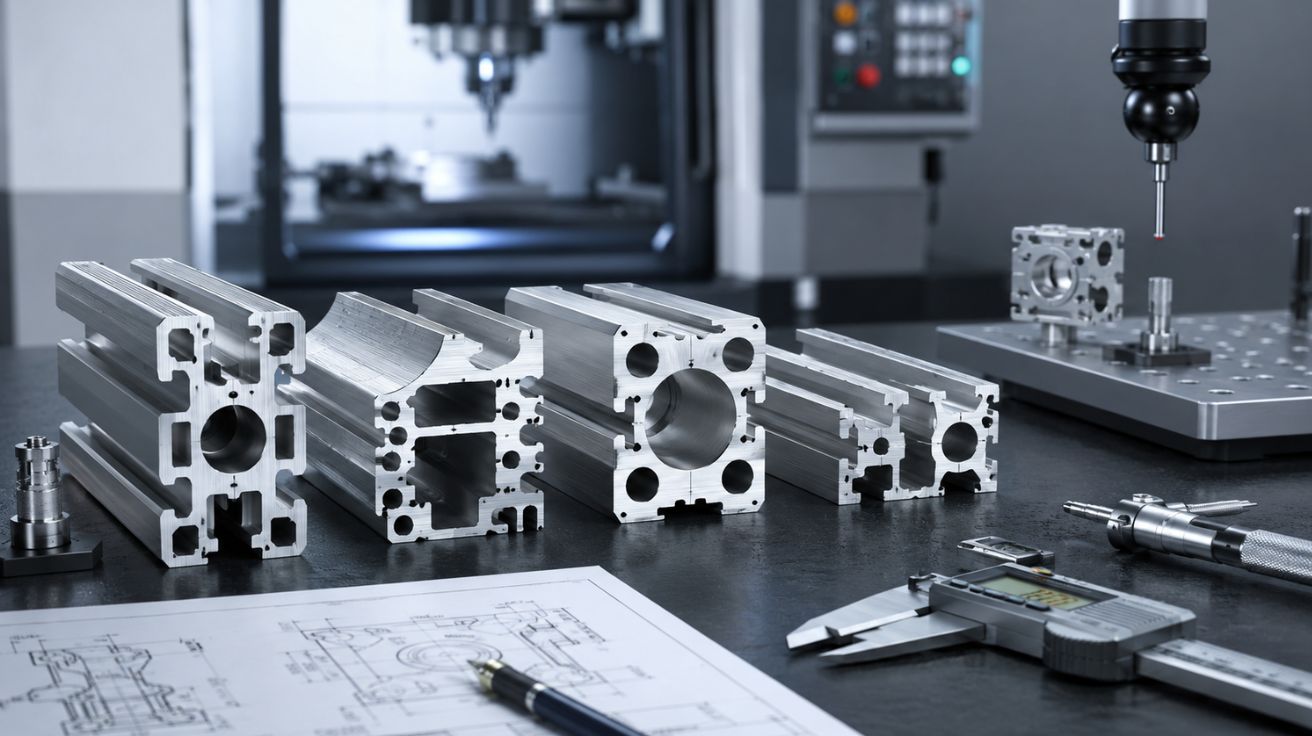

A well-specified machined aluminum profile gives the supplier a path to repeatable quality. A loose specification leaves too much interpretation around datums, finishes, burrs, and inspection.
For teams comparing suppliers, CNC machining aluminum extrusions should be reviewed as a complete process: fixture planning, feature machining, deburring, finishing, inspection, and packaging all influence the result.
Engineers do not need to over-tolerance every feature. They need to explain which parts of the profile affect fit, motion, sealing, electrical contact, heat transfer, or appearance.
The most useful request is not the longest request. It is the one that tells the machining source which surfaces locate the profile, which features are cosmetic, and which checks will decide acceptance.
Documentation does not need to be excessive, but it is easier to keep traceable. Drawing revision, batch number, material, inspection result, and shipment label are the minimum for many repeat projects.
The publisher draft should remain industry-focused. Unrelated promotional topics should stay out of the draft because many publishers explicitly reject them.
The publisher draft should keep the product-page anchor close to the manufacturing problem it helps solve.
Mark the Critical Faces
Profiles often have many similar surfaces. The drawing should identify the faces that locate the part in the final assembly and the areas that must remain cosmetic.
Without that guidance, a supplier may clamp on a visible face or inspect from a convenient edge rather than the functional datum.
In the mark the critical faces section, the engineering specification guidance discussion is tied to a mounting bracket rather than a generic profile. The order note can name a revision label as proof, so the machining source and buyer both know what confirms the finished extrusion is acceptable.
The order owner conversation for mark the critical faces can stay short: confirm the use of protective film, state what feature is checked, and record who approves the first lot. This keeps the article practical and keeps the sourcing instruction easy to follow.
Avoid Blanket Tight Tolerances
Tight tolerances are expensive when they apply to long, thin, or hollow extrusions. They can also be unrealistic if the raw profile varies more than the finished feature allows.
A smarter specification reserves tight control for mounting holes, mating surfaces, sealing edges, and other features that actually affect performance.
In the avoid blanket tight tolerances section, the engineering specification guidance discussion is tied to a lighting housing rather than a generic profile. The order note can name a first-article report as proof, so the finishing partner and buyer both know what confirms the finished extrusion is acceptable.
The supplier conversation for avoid blanket tight tolerances can stay short: confirm the use of air-blast cleaning, state what feature is checked, and record who approves the first lot. This keeps the article practical and keeps the sourcing instruction easy to follow.
Call Out Burr Limits
Burr expectations should not be left to habit. A sharp internal burr may be harmless on a hidden bracket but unacceptable inside an enclosure, sliding rail, or electrical housing.
Simple language such as burr-free handling edges, no loose chips, or deburr tapped holes after machining can prevent avoidable disputes.
In the call out burr limits section, the engineering specification guidance discussion is tied to a conveyor guide rather than a generic profile. The order note can name a sample approval photo as proof, so the machine shop and buyer both know what confirms the finished extrusion is acceptable.
The vendor conversation for call out burr limits can stay short: confirm the use of thread-gauge sampling, state what feature is checked, and record who approves the first lot. This keeps the article practical and keeps the sourcing instruction easy to follow.
Define Surface Finish Before Quoting
Visible profiles need handling rules before production begins. Anodized or brushed surfaces can be damaged by clamping, sliding, stacking, or poor packaging.
The drawing or purchase order should state which surfaces are cosmetic and what level of handling protection is required.
In the define surface finish before quoting section, the engineering specification guidance discussion is tied to a architectural trim rather than a generic profile. The order note can name a surface sample as proof, so the CNC shop and buyer both know what confirms the finished extrusion is acceptable.
The production shop conversation for define surface finish before quoting can stay short: confirm the use of receiving photos, state what feature is checked, and record who approves the first lot. This keeps the article practical and keeps the sourcing instruction easy to follow.
Match Material to the Job
Common extrusion alloys such as 6061 and 6063 serve different priorities. Strength, finish response, machinability, and availability can affect both cost and performance.
Material certificates may also matter for equipment, automotive, aerospace support, or regulated industrial programs.
In the match material to the job section, the engineering specification guidance discussion is tied to a transport rail rather than a generic profile. The order note can name a datum diagram as proof, so the manufacturing partner and buyer both know what confirms the finished extrusion is acceptable.
The selected shop conversation for match material to the job can stay short: confirm the use of protective film, state what feature is checked, and record who approves the first lot. This keeps the article practical and keeps the sourcing instruction easy to follow.
Specification Summary
A useful specification tells the supplier what the part must do, not just what the part looks like. That context helps the shop recommend achievable tolerances and a reliable fixture strategy.
The best machining plan is usually built during the quote review, before the first profile is cut.
In the specification summary section, the engineering specification guidance discussion is tied to a control-panel frame rather than a generic profile. The order note can name a inspection checklist as proof, so the subcontractor and buyer both know what confirms the finished extrusion is acceptable.
The machining source conversation for specification summary can stay short: confirm the use of air-blast cleaning, state what feature is checked, and record who approves the first lot. This keeps the article practical and keeps the sourcing instruction easy to follow.
Where Lecreator Fits
Lecreator supports CNC machining and fabrication work for aluminum profiles and related engineered parts. For a engineering specification guidance project, the practical advantage is a manufacturability review before a batch is released.
In the where lecreator fits section, the engineering specification guidance discussion is tied to a EV support part rather than a generic profile. The order note can name a fixture sketch as proof, so the process owner and buyer both know what confirms the finished extrusion is acceptable.
The finishing partner conversation for where lecreator fits can stay short: confirm the use of thread-gauge sampling, state what feature is checked, and record who approves the first lot. This keeps the article practical and keeps the sourcing instruction easy to follow.
Final View
The central lesson for engineering specification guidance is that the extrusion and the machining plan must be treated as one manufacturing route.
When the buyer explains the function of the part and the supplier explains the process controls for engineering specification guidance, the finished component is more likely to meet fit, finish, and delivery expectations.
In the final view section, the engineering specification guidance discussion is tied to a enclosure frame rather than a generic profile. The order note can name a tool-life note as proof, so the contract shop and buyer both know what confirms the finished extrusion is acceptable.
The machine shop conversation for final view can stay short: confirm the use of receiving photos, state what feature is checked, and record who approves the first lot. This keeps the article practical and keeps the sourcing instruction easy to follow.
Read More: PVC Coil Mats vs. Rubber Mats: Which Is Better for High-Traffic Areas?


Leave a Comment