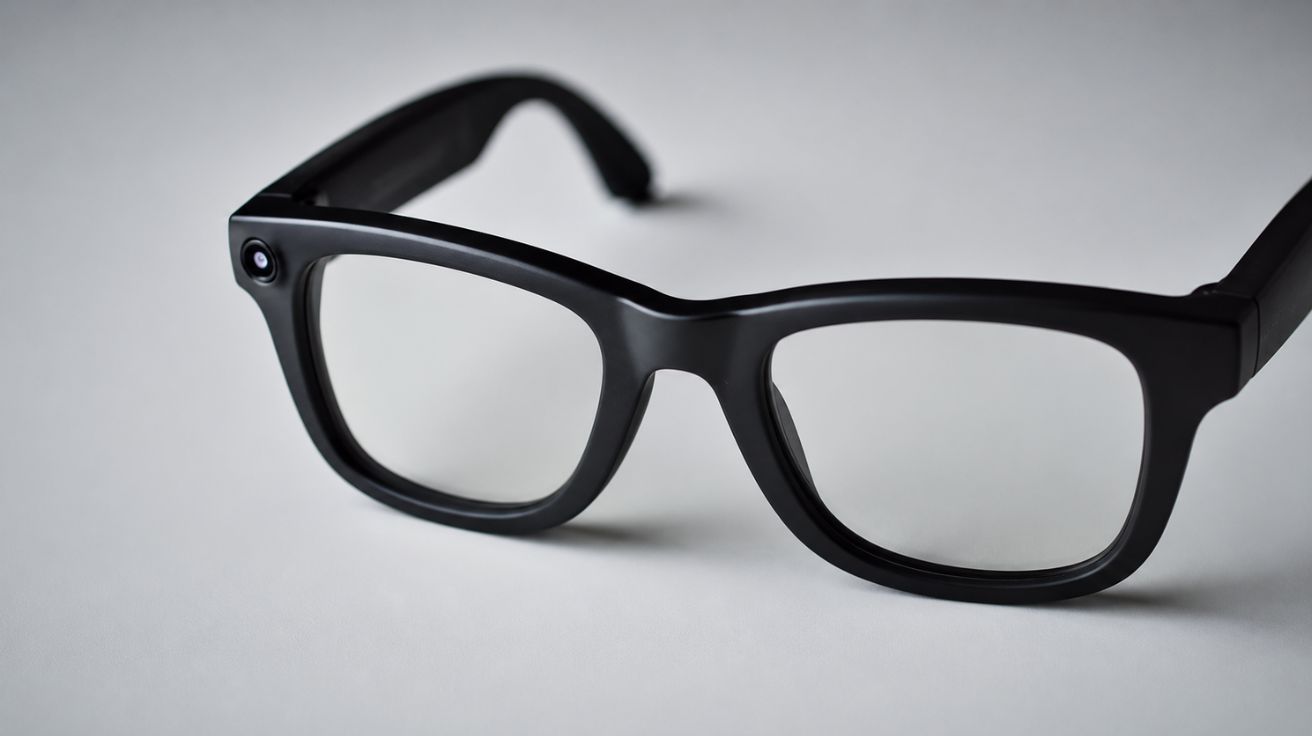

Glasses are turning into computers, and buyers are lining up. Smart glasses without screens jumped 167% year over year in the first quarter of 2026, reaching about 2.25 million units in three months, IDC found. A single quarter nearly matched the entire category’s shipments for all of 2024. Meta holds 69% of the market through its Ray-Ban partnership with EssilorLuxottica, the largest eyewear maker in the world.
The shift lands close to home for Alejandro Betancourt López, president of Hawkers, the Spanish brand that turned accessibly priced fashion eyewear into a business reporting more than $100 million in annual sales. For any design-led, affordable label, one question now hangs over the category: where does it sit once frames start carrying cameras and AI?
The Numbers Behind the Surge
IDC expects shipments of screenless smart glasses to reach about 13.6 million units across full-year 2026, and to top 27.3 million by 2030. The average price sits near $376 today and is forecast to fall toward $229 by 2030 as more vendors pile in. Revenue for the category is projected at roughly $5.1 billion this year alone, and the display-equipped segment is growing even faster from a smaller base.
Meta’s edge comes less from the hardware than from where it sells. The EssilorLuxottica tie-up puts Ray-Ban Meta frames in optician shops next to prescription lenses, inside the deepest eyewear retail network on earth. Rivals are circling:
- RayNeo
- Xiaomi
- Viture
- XREAL
Each holds low single-digit shares, and Google and Snap are entering with their own platforms, Google leaning on an assistant already embedded in billions of phones and Snap on a decade of camera-first software.
Those price points overlap with fashion eyewear more than with gadgets. Mid-market Ray-Ban Meta models sell in the $379 to $459 range, close enough to premium sunglasses that the two categories increasingly compete for the same shelf space and the same shopper deciding what to put on their face each morning. As prices slide toward $229, IDC’s own analysts expect software, services, and AI to become the real differentiator rather than the frame itself.
The display-equipped side of the market is smaller but moving faster. Mixed-reality headsets are forecast to grow from 3.2 million units in 2026 to 10.4 million by 2030, and see-through display glasses from companies such as XREAL and Viture should climb from 3 million to 12.2 million over the same span, a 41.9% annual rate. Those devices sell at premium prices to enthusiasts and businesses, a different buyer from the one choosing a $50 pair of sunglasses, which is part of why the category is splitting into distinct tiers rather than one homogeneous product.
Where Hawkers Fits
Hawkers built its name on a different formula. A €50 million capital injection in 2016 preceded Betancourt López taking the company presidency, and the brand grew through digital marketing, low prices, and design rather than technology. Founded in Elche in 2013, it scaled an asset-light, online-first model into a global label selling across Europe and beyond. Its buyers choose a look and a price, not a computing platform.
The difference cuts two ways. Fashion eyewear sells identity and style, where a tech company’s camera-equipped frame holds no obvious edge. At the same time, the biggest consumer-electronics and luxury players are now pouring marketing budgets into the same product people wear on their faces, which lifts the whole category’s profile and trains shoppers to expect more from a pair of glasses.
Falling prices are the part worth watching. As smart-glasses costs drop toward $229, the gap between a fashion frame and a connected one narrows, and the value a brand offers has to be obvious at the point of sale. Hawkers competes on design, affordability, and a marketing engine built for social platforms, none of which depends on a chip. The brand’s edge is taste and reach, not silicon, and that is a different race from the one Meta and Google are running.
Fashion vs. Function
Not every shopper wants a microphone and lens above their cheekbones. Prescription glasses, sunglasses, and pure fashion frames remain a large, durable market, and plenty of buyers will keep choosing eyewear for how it looks rather than what it records. Eyewear has always held several kinds of product at once, from drugstore readers to luxury acetate, and the arrival of a computing layer does not erase the others.
Betancourt López’s wager rests on that layering. Smart glasses can expand the overall category and still leave a wide segment that values price and style over compute, which is the ground Hawkers has held since 2016. The risk is that the tech giants’ marketing spend resets what a mainstream buyer expects a pair of glasses to do. The opportunity is that a sharper, faster, design-first brand stands out more as the category crowds, not less. Which of those plays out is the question the next few years will settle, and Hawkers is one of the clearest cases to watch.
Read More: 7 Web Development Agencies in the US That Actually Deliver ROI (And How Codiot Made the List)


Leave a Comment