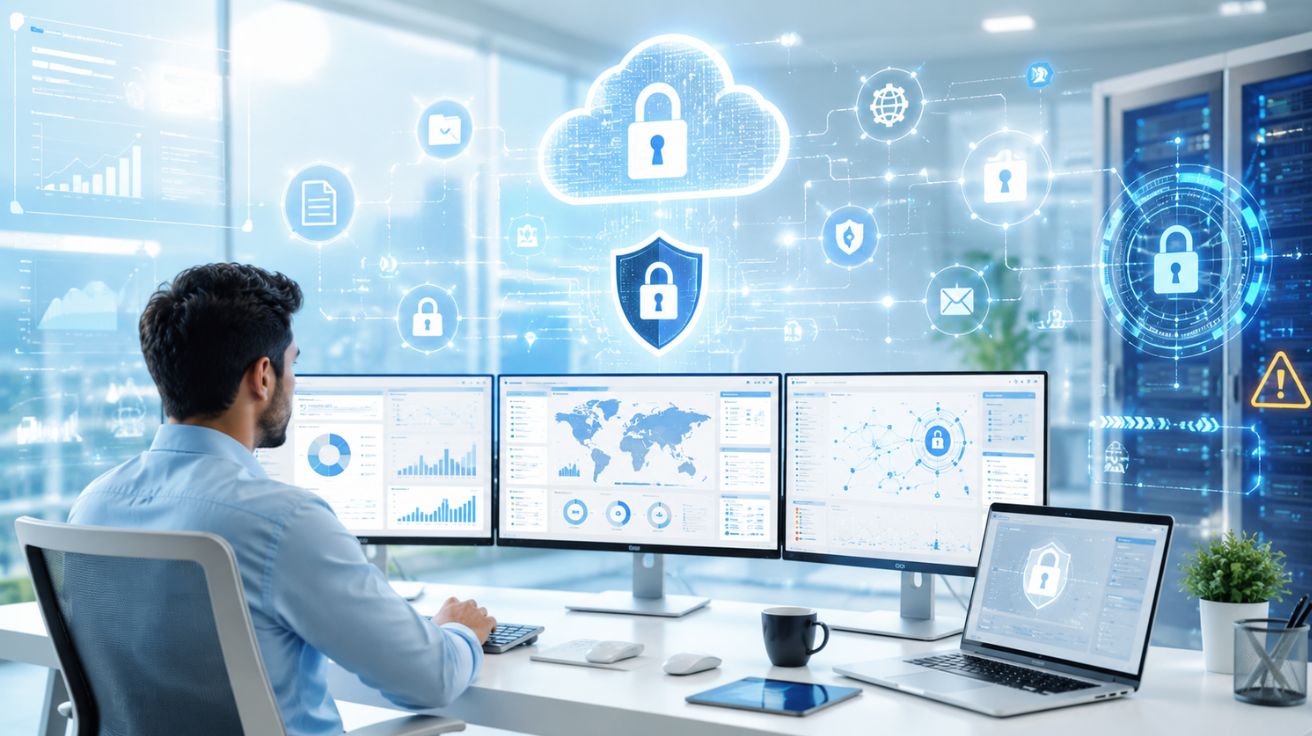

Artificial intelligence has become a driving force behind modern innovation, helping businesses automate tasks, improve productivity, and create smarter digital experiences. Along with these advancements, AI-related platforms, premium tools, and exclusive resources have become increasingly valuable. As a result, discussions surrounding TheJavaSea.me Leaks AIO-416 have gained significant attention across online communities. Many users are curious about what an AIO leak actually means, why it happens, and what steps they can take to protect themselves from the risks associated with leaked digital content. Understanding these issues is becoming increasingly important in today’s technology-driven world.
What Is an AIO Leak?
An AIO (All-In-One) leak generally refers to the unauthorized release of a collection of digital assets, software, AI prompts, databases, educational materials, automation tools, or premium content that was originally intended for private or paid access.
Unlike traditional cyberattacks that mainly target personal information or financial data, AIO leaks often involve bundled digital resources shared without authorization. These collections may include productivity tools, AI workflows, premium templates, scripts, or exclusive educational content.
The growing popularity of artificial intelligence has made AI-related resources extremely valuable, which explains why AIO leaks have become a widely discussed topic among developers, businesses, researchers, and cybersecurity experts.
Why AIO Leaks Are Becoming More Common
Several factors have contributed to the increasing number of AIO leaks in recent years.
The rapid growth of subscription-based software has created large collections of premium digital content that attract unauthorized distribution. Many businesses now rely on cloud platforms, making centralized storage both convenient and vulnerable if security is not properly managed.
Remote work has also increased the number of devices accessing sensitive information, expanding the potential attack surface for cybercriminals.
At the same time, AI-generated content, automation tools, and premium prompts have become valuable digital assets. As demand increases, so does the motivation for attackers to obtain and distribute these resources.
Common Causes of AIO Leaks
AIO leaks rarely happen because of a single mistake. Most incidents occur due to multiple security weaknesses working together.
Weak passwords remain one of the leading causes. Users often reuse passwords across multiple accounts, making credential theft much easier after a single breach.
Phishing attacks continue to be highly effective. Fraudulent emails, fake login pages, and deceptive messages can trick users into revealing their credentials.
Cloud storage misconfigurations are another major issue. Incorrect sharing settings may unintentionally expose confidential files to the public.
Organizations sometimes fail to properly manage employee access. Giving unnecessary permissions increases the likelihood that sensitive resources may be copied or distributed without authorization.
Outdated software also creates opportunities for attackers by leaving known security vulnerabilities unpatched.
Finally, insider threats—whether intentional or accidental—can lead to confidential information being shared outside authorized environments.
Risks Associated with AIO Leaks
Although leaked collections may appear attractive to some users, they introduce a wide range of security and privacy risks.
One of the biggest dangers is malware infection. Files obtained from unofficial sources may contain hidden malicious software capable of stealing passwords, monitoring user activity, or damaging devices.
Identity theft is another significant concern. Some leaked packages include programs designed to collect login credentials or financial information without the user’s knowledge.
Businesses face even greater risks. Leaked proprietary software, customer information, internal documentation, or AI models can damage competitive advantages and reduce customer trust.
Financial losses often follow major leaks. Companies may spend substantial resources investigating incidents, strengthening infrastructure, notifying affected users, and rebuilding their reputation.
There are also legal consequences. Unauthorized distribution of copyrighted materials can violate intellectual property laws and contractual agreements.
How AIO Leaks Affect Businesses
Organizations increasingly depend on AI-powered systems for customer service, marketing, software development, healthcare, finance, and countless other operations.
When valuable AI resources become publicly available through unauthorized channels, companies may lose years of research and development investments.
Competitors could gain access to proprietary workflows, custom datasets, or unique automation techniques that were intended to remain confidential.
Customer confidence may also decline if organizations fail to demonstrate strong security practices. Trust is one of the most valuable assets any business possesses, and recovering it after a major leak can take years.
Businesses must therefore view cybersecurity not simply as an IT expense but as an essential component of long-term success.
Protecting Yourself from AIO Leak Risks
Individuals can reduce their exposure by adopting a proactive approach to digital security.
Strong and unique passwords should be created for every important account. Password managers make it easier to maintain complex credentials without relying on memory alone.
Multi-factor authentication adds another layer of protection by requiring additional verification beyond a password.
Users should remain cautious when downloading files from unfamiliar websites or unofficial sources. Even files that appear harmless may contain malicious code.
Keeping operating systems, browsers, and software updated ensures that known vulnerabilities are patched before attackers can exploit them.
Backing up important files regularly also helps minimize damage if malware or ransomware affects a device.
Best Security Practices for Organizations
Businesses need a comprehensive security strategy that addresses both technology and human behavior.
Employee cybersecurity training is essential because phishing attacks continue to exploit human error more often than technical weaknesses.
Access controls should follow the principle of least privilege, allowing employees to access only the information required for their specific roles.
Sensitive data should be encrypted during storage and transmission to reduce exposure even if files are intercepted.
Regular security audits help identify outdated software, misconfigured cloud environments, and unnecessary user permissions before they become major problems.
Organizations should also establish clear incident response plans so security teams can react quickly if suspicious activity is detected.
Continuous monitoring allows businesses to identify unusual login patterns, unauthorized downloads, or abnormal network traffic before significant damage occurs.
The Role of Artificial Intelligence in Cybersecurity
Ironically, artificial intelligence is becoming one of the strongest defenses against cyber threats.
Modern AI-powered security platforms analyze millions of events every second, identifying suspicious patterns that traditional security tools might overlook.
Machine learning models continuously improve their ability to recognize malware, phishing attempts, and unauthorized access attempts.
Behavioral analytics can detect unusual user activity, such as unexpected login locations or abnormal file downloads, allowing security teams to respond quickly.
Predictive threat intelligence also enables organizations to identify emerging attack methods before they become widespread.
As cyber threats continue evolving, AI-driven cybersecurity solutions will become increasingly valuable for organizations of every size.
Digital Responsibility Matters
Technology alone cannot eliminate the problem of AIO leaks. Responsible digital behavior is equally important.
Content creators, developers, educators, and software companies invest considerable time and resources into producing valuable digital products. Respecting intellectual property helps support continued innovation and encourages businesses to develop better AI technologies.
Users should rely on legitimate platforms whenever possible and avoid engaging with unauthorized distributions that may expose them to unnecessary security risks.
Building a safer digital ecosystem requires cooperation between technology providers, businesses, governments, and individual users.
Looking Ahead
Artificial intelligence will continue reshaping nearly every industry over the coming years. As AI becomes more deeply integrated into everyday life, the value of digital resources will only increase.
This makes cybersecurity more important than ever before.
Future protection strategies will combine advanced AI-powered threat detection, stronger encryption, biometric authentication, zero-trust security models, and continuous employee education.
Organizations that invest in proactive security today will be far better prepared for tomorrow’s evolving cyber threats.
Meanwhile, users who understand digital risks and practice good cybersecurity habits can greatly reduce their chances of becoming victims of malware, phishing attacks, or unauthorized data exposure.
Conclusion
AIO leaks represent more than simply the unauthorized sharing of digital content—they highlight the growing importance of cybersecurity in the age of artificial intelligence. As AI resources become increasingly valuable, both individuals and organizations must recognize the risks associated with leaked content and prioritize responsible digital practices.
Understanding the common causes of AIO leaks, recognizing potential dangers, and following proven security measures can significantly reduce exposure to cyber threats. By combining strong technical safeguards with responsible online behavior, users can protect their personal information while supporting a safer and more secure digital environment for everyone.
Read More: Fintech UX: What Actually Makes Digital Banking and Payment Products Work


Leave a Comment