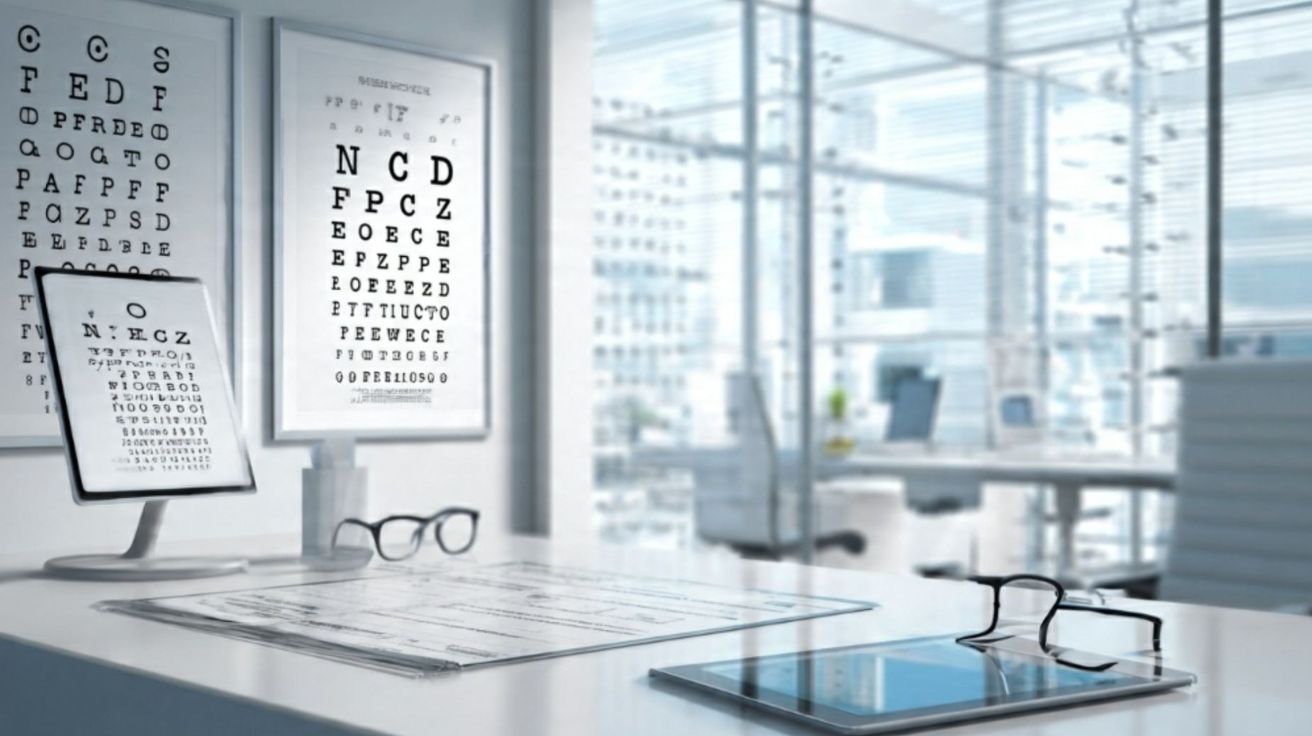

DSE eyecare is an important part of maintaining employee wellbeing when people spend long periods working with computers and other digital screens. For businesses, providing appropriate DSE eyecare can help employees access the eye tests and eyewear they may need while supporting workplace health and safety responsibilities.
With more employees using desktop computers, laptops, tablets and other display screen equipment throughout the working day, effective DSE eyecare can make a valuable difference to workplace comfort and productivity. A suitable eye care programme can also make it easier for employers to manage DSE requirements and provide employees with appropriate support.
What Is DSE Eyecare?
DSE eyecare supports employees who regularly use display screen equipment at work. It can include DSE eye tests, eyesight assessments and DSE glasses where required.
Under DSE regulations, employers must arrange an eye test when a DSE user requests one. Effective DSE eyecare supports employee wellbeing and workplace compliance.
Why Are DSE Eye Tests Important?
Regular screen work can be visually demanding. Although DSE work does not cause permanent damage to the eyes, prolonged screen use may contribute to tired eyes, discomfort, headaches, and temporary visual difficulties.
An eye test can identify eyesight changes that an employee may not have previously noticed. It can also determine whether an employee needs specific glasses for the distance at which they view their screen.
For employers, making DSE eye tests easy to access can support employee comfort while helping them meet their responsibilities under DSE legislation.
Who Needs a DSE Eye Test?
DSE requirements generally apply to employees who use display screen equipment daily as part of their normal work for continuous periods of an hour or more. This can include people working with desktop computers, laptops, tablets and similar equipment.
A DSE user can request an eye and eyesight test, and the employer must arrange and pay for it. The test should be a proper eye examination carried out by an optometrist or doctor.
Businesses should make employees aware of the arrangements available so they understand how to request an eye test when required.
When Are DSE Glasses Required?
DSE glasses are not automatically required for every employee who uses a computer. An eye test may show that an employee needs glasses specifically for viewing a display screen.
Where this need is identified, the employer must provide suitable DSE glasses. Ordinary prescription glasses for everyday use are not automatically an employer expense. DSE glasses can therefore support employees who need specific visual correction for screen-based work.
How Does DSE Eyecare Support Employees?
A well-managed DSE eyecare programme can support employees by providing:
- Easy access to eye care: Employees can access appropriate eye tests and address eyesight concerns that may affect screen-based work.
- DSE eye test and glasses vouchers: EyeMed UK provides vouchers through its vision care platform, allowing employees to access affiliated opticians for eye tests and suitable eyewear.
- Better employee wellbeing: Supporting visual comfort can contribute to a healthier working environment and show employees that their wellbeing is valued.
How Can Employers Manage DSE Compliance?
Managing DSE compliance involves more than arranging an eye test. Employers should assess workstations and provide suitable guidance on screen position, lighting, posture and regular breaks.
A managed DSE eyecare service can make eye care easier to administer. EyeMed UK supports employee eye tests and eyewear needs, helping businesses manage workplace vision care responsibilities.
How Can Employees Reduce Screen-Related Eye Strain?
DSE eyecare works best alongside good everyday working practices. Employees can improve screen-based comfort by:
- Adjusting the workstation: Position the screen correctly and use suitable lighting to reduce visual discomfort.
- Taking regular breaks: Employees should take breaks from screen work and change activities where possible.
- Using suitable screen settings: Good workstation design and appropriate screen settings can support eye comfort and complement professional eye care.
Why Choose a Managed DSE Eyecare Programme?
A managed DSE eyecare programme brings together eye tests, DSE glasses and employee support in one convenient service. EyeMed UK provides DSE eye test and eyewear vouchers, access to affiliated opticians and reporting to help businesses manage their vision care responsibilities.
For organisations with employees who regularly use screens, effective DSE eyecare is a practical way to support employee wellbeing while maintaining appropriate workplace compliance.
Frequently Asked Questions About DSE Eyecare
Are DSE eye tests required by law?
Employers must arrange and pay for an appropriate eye and eyesight test when a DSE user requests one.
Does every computer user need DSE glasses?
No. DSE glasses are only required where an eye test identifies that an employee needs glasses specifically for DSE work.
Does using a computer permanently damage eyesight?
HSE guidance states that DSE work does not cause permanent damage to eyes or eyesight. However, prolonged screen work can contribute to temporary visual discomfort, tired eyes and headaches.
Can DSE eyecare support employee wellbeing?
Yes. Accessible eye care can help employees address eyesight concerns and improve comfort during visually demanding, screen-based work.
Read More: Healthy Habits That Can Support a Sustainable Weight Loss Journey


Leave a Comment