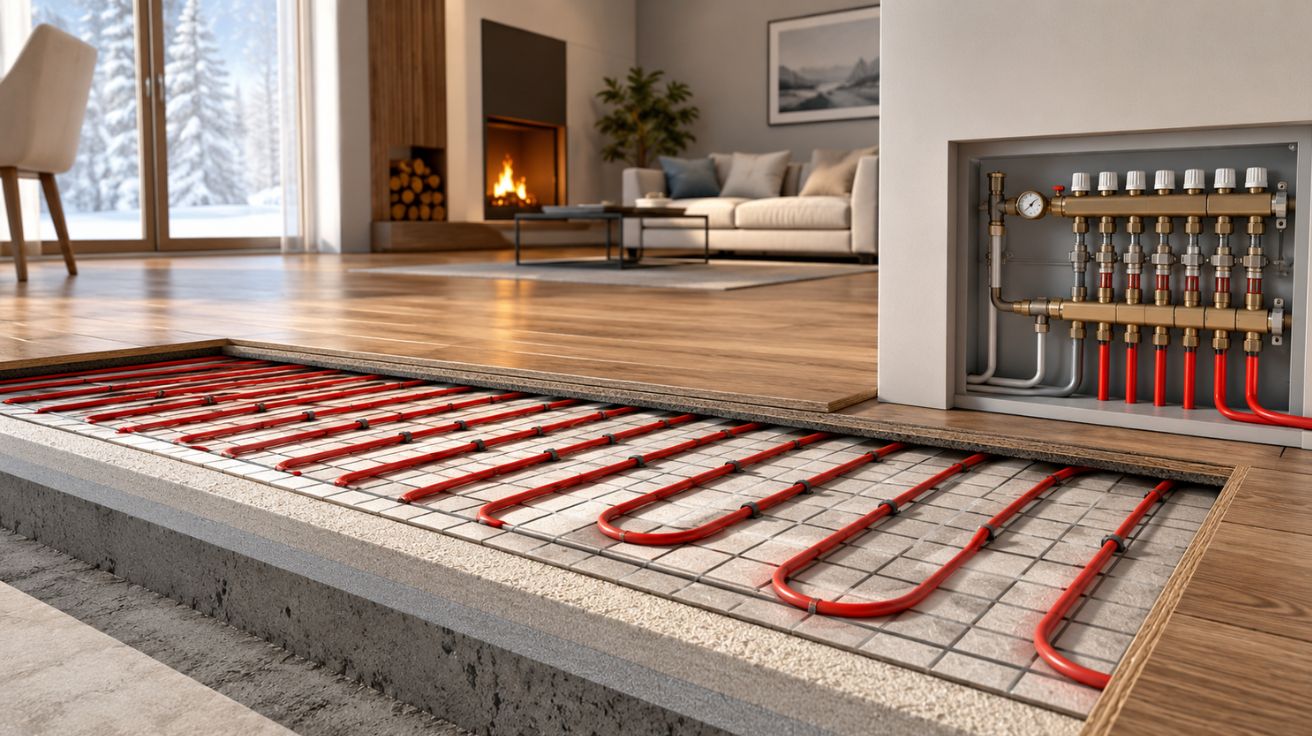

In this comprehensive guide, we break down the radiant heating cost Michigan homeowners can expect when installing this efficient heating system. We will explore the various types of radiant heating systems, installation expenses, and budget-friendly options, giving you the tools you need to make an informed decision.
Understanding Radiant Heating
Radiant heating systems warm objects and surfaces directly rather than relying on air circulation like traditional forced-air systems. This method can provide a more consistent and comfortable heat, especially beneficial during Michigan’s long, harsh winters, where temperatures can plummet and snow can pile high.
Benefits of Radiant Heating
- Enhanced Comfort: Radiant heating creates a uniform temperature across the room, which can significantly enhance comfort levels compared to conventional methods where hot air rises and cold pockets remain at floor level.
- Reduced Allergens: Because radiant heating does not rely on air movement, it contributes to a reduction in allergens and dust circulating throughout your home, making it a healthier choice, particularly for asthmatics or allergy sufferers.
- Design Flexibility: Radiant heating allows for more design flexibility in your interior layout since there are no bulky radiators or ductwork to contend with.
Types of Radiant Heating Systems
- Hydronic Systems: These use water heated by a boiler that circulates through pipes laid in the floor. Hydronic systems are generally more energy-efficient and can be powered by various heat sources, such as solar panels or high-efficiency gas boilers, though they come with higher installation costs.
- Electric Systems: Electric coils are installed beneath the flooring and heat the space directly. While they have lower upfront costs, electric radiant heating can be less energy efficient, particularly in larger homes or spaces requiring continuous heating.
- Air Systems: Although less common and rarely recommended for residential use, these systems use heated air that circulates under the floor. Their inefficiency makes them unsuitable for colder climates like Michigan, where consistent warmth is critical.
Average Installation Costs in Michigan
The cost of installing a radiant heating system in Michigan can vary widely depending on several factors:
- Type of system: Hydronic systems typically range between $9 to $20 per square foot, while electric systems can range from $6 to $12 per square foot.
- Integration with existing systems: If you are retrofitting a radiant system into an existing home, costs may increase due to additional work required for installation, such as removing existing flooring or upgrading electrical systems.
- Size of the area: The larger the area you intend to heat, the higher the total cost. For example, installing radiant floor heating for 2000 square feet can cost anywhere from $12,000 to $40,000, depending on system type and layout.
To give you a better understanding of radiant heating cost Michigan, here are some average costs based on system type:
| System Type | Cost Range (Per Square Foot) |
|—————-|——————————-|
| Hydronic | $9 – $20 |
| Electric | $6 – $12 |
| Installation (2000 sq ft) | $12,000 – $40,000 |
Factors Influencing Radiant Heating Costs
Several factors can impact the final cost of installing a radiant heating system:
- Current Flooring: Removal of existing flooring materials can increase labor costs and extend installation time. If you’re installing in a new build or during a major renovation, you’ll save significantly on these costs.
- Insulation Quality: Well-insulated homes retain heat more effectively, which can reduce your overall heating needs. This can affect your choice between electric and hydronic systems, as a well-insulated home will benefit more from hydronic setups due to their energy efficiency under continuous operation.
- Professional vs. DIY Installation: Hiring professionals may increase costs by approximately 20-30%, but it can ensure proper installation, which can prevent future issues such as leaks in hydronic systems. For DIY enthusiasts, determining when to seek professional assistance is crucial, particularly with hydronic systems that require precise boiler setup and line installation.
- Temperature Control Systems: Adding smart thermostats or advanced control systems can raise your costs significantly. However, these systems provide greater control over energy consumption and can effectively manage temperatures in different zones, increasing comfort while potentially lowering energy bills.
Regional Price Variations
In Michigan, costs can vary between urban areas like Detroit or Grand Rapids and more rural regions. It’s common for urban areas to have slightly higher labor costs due to demand and living costs, while rural areas might offer better deals but could have limited availability of skilled contractors.
Budget Options for Radiant Heating
If you’re looking to install radiant heating on a budget in Michigan, here are some cost-effective options:
1. Electric Radiant Heating
Electric heating mats or cables are less expensive upfront and easier to install, especially for small areas, such as bathrooms, kitchen floors, or even entryways that see higher traffic.
2. DIY Installation
For those who are handy, consider a DIY approach. Installation kits are available for electric systems that include everything you need to set up the heating beneath the flooring. However, beware of local codes regarding electrical work, as you might need permits or inspections to ensure compliance.
3. Hybrid Systems
Combining radiant heating with other systems, such as forced air, can cut down on initial costs while still enjoying the benefits of radiant heat. This is particularly effective as a supplemental heating source where certain areas of a home need more heat than others.
Advantages and Disadvantages of Radiant Heating
Advantages
- Energy Efficiency: Radiant heating systems can be more efficient than traditional heating methods, particularly in homes designed for consistent heating throughout colder months.
- Comfort: Provides even heat distribution, eliminating cold spots and allowing for better overall comfort in the home.
- Quiet Operation: Many homeowners appreciate the silent operation of radiant heating, as it does not involve noisy fans or duct systems.
Disadvantages
- High Initial Costs: Major upfront investment required, especially for hydronic systems that involve extensive plumbing work.
- Installation Time: Installation can take longer than conventional systems, especially in retrofitting situations, which can be an inconvenience for homeowners.
- Flooring Limitations: Certain flooring materials, like thick carpets or uninsulated surfaces, may not be suitable for radiant heating and could limit your design options.
Conclusion
Installing radiant heating in your Michigan home can be a wise investment in comfort and efficiency. Understanding the radiant heating cost Michigan will help you plan and budget effectively to achieve a cozy home during those chilly winter months. Whether you opt for a hydronic system, an electric alternative, or a budget-friendly DIY project, weighing the pros and cons will ensure you make an informed decision.
If you’re considering radiant heating installation, consult with local contractors to get more specific cost estimates and advice tailored to your home’s needs. Transitioning to radiant heating could be the key to a warmer, more comfortable living space this winter! For further insights and breakdowns on heating systems, you can explore additional resources, including expert opinions on radiant heating cost Michigan, to stay informed as you make this crucial decision.
Read More: How a Range Hood Solves Common Kitchen Ventilation Problems


Leave a Comment