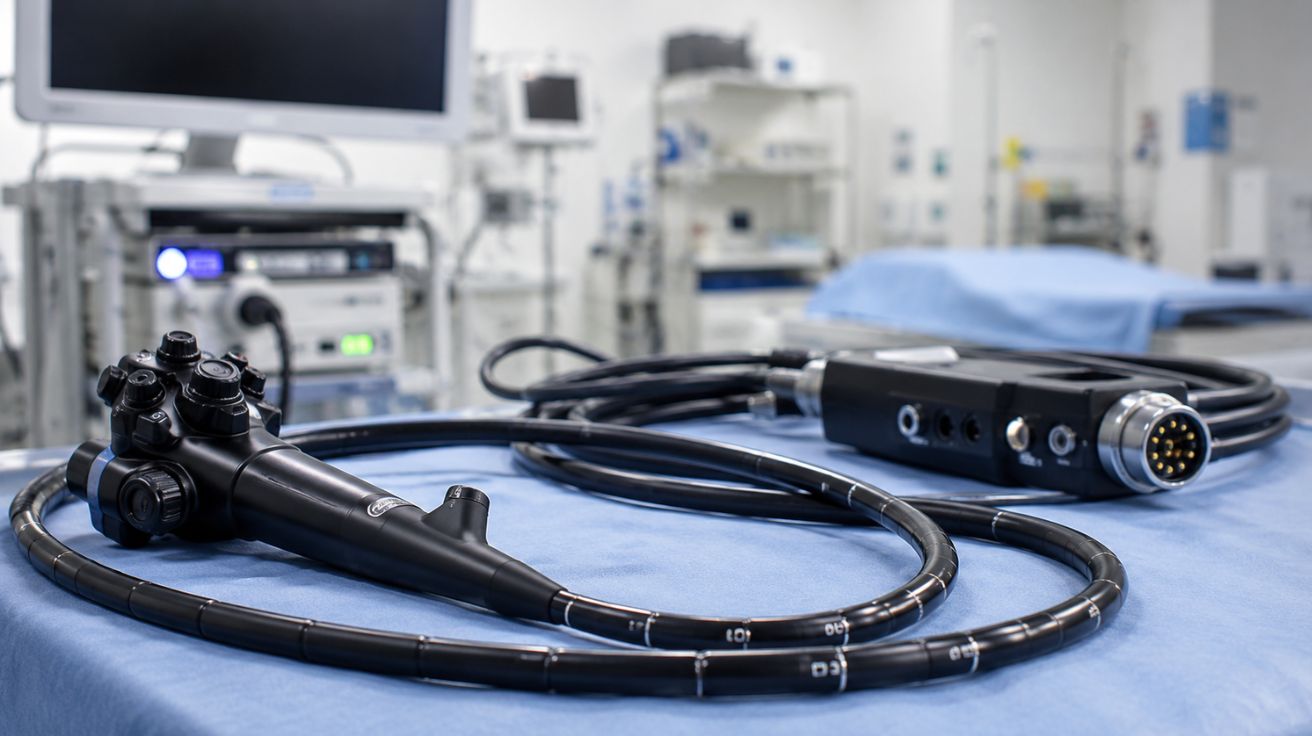

When a hospital or ambulatory surgery center upgrades its endoscopy suite, it rarely considers the disposition of existing equipment until the new units are already scheduled for delivery. That gap in planning creates real operational and financial consequences. Endoscopes that sit in storage lose value steadily, require ongoing tracking for regulatory and inventory purposes, and occupy space that certified clinical equipment demands. The secondary market for medical devices in the United States is active and well-structured, but navigating it requires more than simply listing equipment online. Facilities that approach the process methodically recover more value, avoid compliance missteps, and complete transitions without disrupting ongoing care schedules.
Understanding the Secondary Market for Used Endoscopes
The secondary medical device market in the US operates through a network of certified dealers, refurbishers, and direct buyers who specialize in specific equipment categories. Endoscopes occupy a distinct segment of this market because they are complex, delicate instruments with documented service histories, manufacturer-specific components, and regulatory classifications that affect how they can be legally transferred between facilities. When a facility chooses to sell used endoscope equipment, it enters a transaction that involves more than pricing — it requires documentation, condition verification, and in many cases, coordination with original equipment manufacturer (OEM) policies or third-party repair certifications.
Buyers in this market range from smaller independent surgery centers and outpatient clinics to international buyers operating through licensed import channels. Demand is particularly consistent for flexible video endoscopes, colonoscopes, gastroscopes, and bronchoscopes from well-established manufacturers. The condition of the scope, its repair history, and whether it includes original accessories all directly influence the price a facility can reasonably expect to receive.
Why Endoscope Value Depreciation Is Different from Other Medical Equipment
Unlike imaging machines or surgical robots, endoscopes depreciate in ways that are closely tied to use frequency and the quality of reprocessing over their service life. A scope that has been improperly stored, cleaned with incompatible agents, or repaired with non-OEM parts may show no visible damage but carries reduced market value because buyers and refurbishers cannot assume it will hold up under re-certification. This is why facilities that maintain structured endoscope care records consistently receive better offers than those selling equipment without documentation. The service history is not merely a paperwork formality — it is evidence of how the instrument was treated throughout its clinical life.
Preparing Endoscopes for Sale: Documentation and Condition Assessment
Before approaching any buyer or reseller, a facility should conduct a practical internal review of each endoscope it intends to sell. This means pulling service records, identifying the last inspection date, confirming whether any repairs were completed by certified technicians, and noting the current functional status of each unit. Buyers will almost always request this information, and having it organized in advance prevents delays and positions the facility as a credible seller.
What Buyers Look for Before Making an Offer
Reputable buyers evaluate used endoscopes against a consistent set of criteria. They assess the physical condition of the insertion tube, the integrity of the bending section, the clarity and function of the optical or video system, and the condition of connectors and light guide bundles. They also review whether the scope has outstanding recalls, whether compatible processors are available in the current market, and whether replacement parts remain accessible. For facilities, understanding these criteria ahead of time allows for more realistic pricing expectations and helps avoid situations where a quote comes back significantly lower than anticipated.
The Role of Leak Testing and Functional Verification
Many facilities perform leak testing as part of their standard reprocessing protocol, and this practice carries direct relevance when preparing for a sale. A scope that passes a leak test before being removed from service can be presented to buyers with greater confidence. Some buyers may conduct their own verification upon receipt, but a facility-performed leak test log adds credibility to the transaction and can support the asking price. Functional verification — confirming that the scope powers on, images correctly, and responds to angulation controls — should be completed and documented before any equipment is transferred.
Regulatory and Compliance Considerations in Equipment Transfers
The transfer of used medical devices between facilities in the United States is governed by guidelines set by the Food and Drug Administration, which classifies endoscopes as Class II medical devices subject to specific performance standards. As noted in FDA guidance on remanufacturing and servicing of medical devices, facilities and third-party servicers both carry defined responsibilities when equipment changes hands for reuse. This framework is relevant to any organization selling endoscopes, because the scope of liability does not automatically end at the point of sale.
HIPAA Considerations and Patient Data in Endoscopy Systems
While endoscopes themselves do not store patient data, the video processors and documentation systems connected to them often do. Facilities planning to sell endoscopy equipment as part of a broader suite transition should ensure that patient records, procedure logs, and any identifying data stored in associated hardware are properly purged before equipment leaves the facility. This step is sometimes overlooked in the focus on physical equipment condition, but it is a compliance requirement with real consequences if handled incorrectly. Data sanitization should be documented and signed off by the facility’s compliance or information security team before disposal or transfer.
State-Level Requirements for Medical Device Resale
Beyond federal oversight, some states maintain additional requirements governing the sale or transfer of used medical equipment, particularly when the transaction involves a licensed healthcare facility. These requirements vary in scope and may affect how equipment must be labeled, transported, or documented. Facilities with legal or compliance departments should obtain a brief review of applicable state regulations before completing any sale, particularly if the buyer is located in a different state or operates under a different licensing framework.
Choosing the Right Buyer or Reseller
The US secondary medical device market includes buyers with significantly different standards for how they evaluate, handle, and resell equipment. Some specialize exclusively in endoscopy and have established grading systems and refurbishment capabilities. Others operate as general medical equipment resellers with less technical depth in this specific category. For a facility selling multiple scopes or a full suite of equipment, the choice of buyer affects not only the financial return but also the speed of transaction, the accuracy of the offer, and the overall reliability of the process.
Evaluating Buyer Credibility Before Committing
A credible buyer in this space will be able to explain clearly how they assess equipment value, what their inspection process involves, and how payment and logistics are handled. They should be able to provide references or demonstrate a track record with comparable facilities. Facilities should be cautious of buyers who make offers without requesting any documentation or who are vague about their downstream process for the equipment. Responsible buyers understand that endoscope transactions carry compliance dimensions, and they approach purchases accordingly.
Direct Buyers Versus Auction Platforms
Auction-style platforms can occasionally generate competitive pricing for popular equipment models, but they also introduce uncertainty around buyer qualification, transaction timelines, and what happens if a buyer disputes condition after receipt. For most hospitals and surgery centers, a direct transaction with a specialized reseller offers more predictability. The offer may not always be the highest number on paper, but the reduction in administrative burden and compliance risk often justifies the approach. Facilities that have sold equipment through auction platforms and then through direct buyers frequently report a preference for the latter when comparing the full cost of the transaction, not just the final sale figure.
Logistics, Packaging, and Final Transfer Steps
Endoscopes require specific packaging to prevent damage during transit. Original cases should be used wherever available. If original cases are no longer accessible, buyers typically provide guidance on acceptable packaging standards or arrange for pickup with appropriate materials. Facilities should never ship endoscopes in standard cardboard boxes without proper foam or case support, as transit damage can void the agreed price or complicate the transaction after the fact.
Before the final transfer, facilities should remove the equipment from their asset inventory, update their biomedical equipment management system, and obtain a receipt or transfer confirmation from the buyer. This documentation protects the facility in the event of any future inquiry about where the equipment went and confirms that the transaction was completed through an appropriate channel.
Closing Thoughts
Selling used endoscopes is a process that rewards preparation. Facilities that treat it as a structured operational task — gathering documentation, verifying equipment condition, understanding compliance requirements, and selecting buyers carefully — consistently have smoother transactions and recover meaningful value from equipment that would otherwise depreciate in storage. The secondary market for endoscopy equipment in the US is active and accessible, but it operates best when sellers approach it with the same discipline they apply to clinical operations. Taking the time to understand how buyers evaluate equipment, what regulators expect from device transfers, and how logistics should be handled removes most of the friction from the process and allows facility teams to close out equipment transitions cleanly and efficiently.
Read More: Why SoHo Has Quietly Become New York City’s Hub for Functional Scoliosis Rehabilitation


Leave a Comment