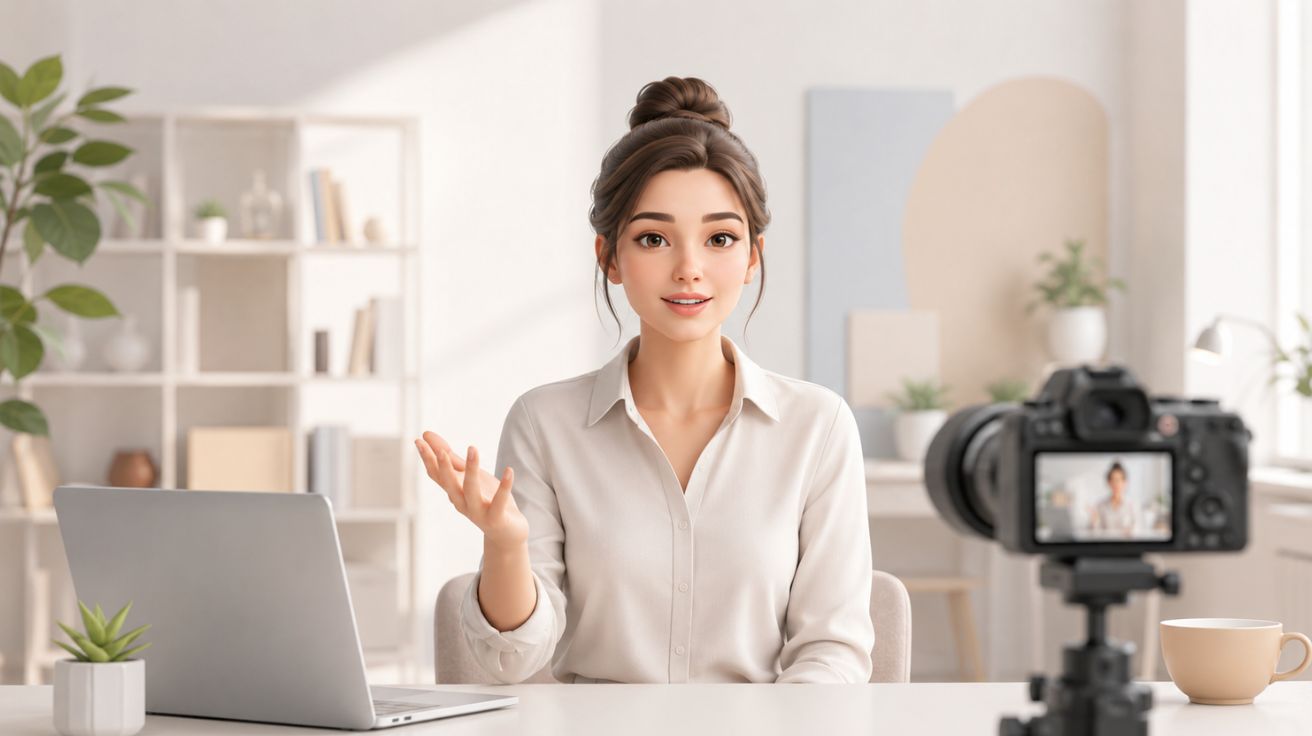

Creators are under more pressure than ever to stay active online. Audiences expect regular videos, short clips, updates, tutorials, product explainers, and social media content across platforms like YouTube, TikTok, Instagram, Facebook, and LinkedIn.
The problem is simple: creating video content every day takes time.
Recording, editing, retaking shots, fixing audio, setting up lighting, and staying confident on camera can slow creators down. This is one reason AI avatar videos are becoming more popular among creators who want to publish consistently without recording every piece of content manually.
AI avatar videos help creators publish more consistently by reducing the need to record every video manually. Instead of appearing on camera each time, creators can use a digital avatar to present scripts, explain ideas, and create video content faster.
The Creator Consistency Problem
Consistency is one of the biggest challenges in content creation. Many creators have ideas, but turning those ideas into finished videos can be difficult.
A creator may need to:
- Write a script
- Set up a camera
- Record multiple takes
- Edit mistakes
- Add captions
- Prepare thumbnails
- Upload content
- Respond to audience engagement
Doing this once is manageable. Doing it every day or several times a week can quickly become exhausting.
This is especially true for creators who run personal brands, educational channels, product-led content, faceless YouTube channels, or small business social media accounts.
AI avatar videos are helping solve this problem by making video production more repeatable.
What Are AI Avatar Videos?
AI avatar videos are videos where a digital avatar speaks or presents content based on a script. The avatar can act like a presenter, host, teacher, explainer, or brand representative.
Instead of recording themselves, creators can write a message, choose an avatar, select a voice, and generate a video.
These videos can be used for:
- Social media updates
- Educational videos
- Product explainers
- Tutorials
- Creator announcements
- Marketing content
- Faceless videos
- Short-form videos
- Livestream-style content
For creators, the biggest benefit is speed. AI avatar videos make it easier to turn written ideas into video content.
Why Creators Are Using AI Avatar Videos
Creators are not turning to AI avatars just because the technology is new. They are using them because the content workflow is changing.
Most creators now need more than one type of content. A single idea may need to become a YouTube video, a TikTok clip, an Instagram Reel, a LinkedIn post, and a newsletter section.
AI avatar videos make this easier because creators can reuse scripts and ideas in video format without starting from zero every time.
How AI Avatars Help Creators Stay Always-On
Always-on content means staying visible even when the creator cannot record personally every day. This is useful for people who want to keep their audience engaged without burning out.
AI avatars can help creators:
- Publish regular updates
- Turn blogs into videos
- Create quick explainers
- Repurpose old content
- Build faceless content channels
- Test different video ideas
- Create educational clips
- Make videos without a full production setup
This helps creators stay active while keeping more control over their time.
Use Cases for AI Avatar Videos
AI avatar videos can support many creator workflows.
1. Educational Content
Teachers, coaches, and course creators can use AI avatars to explain lessons, summarize topics, and create short learning videos.
2. Social Media Videos
Creators can use avatar videos for TikTok, YouTube Shorts, Instagram Reels, and Facebook videos. This is useful when they need short, repeatable content.
3. Product Explainers
SaaS companies, digital product creators, and marketers can use AI avatars to explain features, updates, and onboarding steps.
4. Faceless Content
Some creators do not want to appear on camera. AI avatar videos give them a way to create presenter-style content while staying private.
5. Livestream-Style Workflows
Some platforms are moving beyond simple avatar videos and into livestream-style avatar content. This can help creators create digital host experiences and more interactive content formats.
VlogMe AI supports creators with talking avatar video and livestream-style workflows, helping users turn photos and scripts into avatar-based video content.
AI Avatar Videos Do Not Replace Creativity
One important point is that AI avatar videos do not replace the creator’s ideas. A weak script will still create a weak video.
The best AI avatar videos still need:
- A clear message
- A useful topic
- Natural language
- Strong hooks
- Good pacing
- Helpful information
- Audience understanding
The avatar is only the delivery method. The creator still controls the message, strategy, and value.
Quality Risks Creators Should Watch
AI avatar videos can be useful, but creators should use them carefully. If the video looks robotic, sounds unnatural, or feels too generic, audiences may ignore it.
Creators should avoid:
- Overusing AI-style wording
- Publishing low-value videos
- Using poor voice quality
- Making videos too long
- Using avatars without a clear purpose
- Repeating the same content format too often
The goal should be helpful content, not just more content.
Best Practices for AI Avatar Content
Creators can get better results from AI avatar videos by following a few simple rules.
First, keep the script natural. The video should sound like a real person explaining something clearly.
Second, use AI avatars for the right type of content. They are especially useful for explainers, FAQs, tutorials, product updates, and educational content.
Third, mix AI avatar content with other formats. Real videos, screen recordings, written posts, and avatar videos can work together as part of a stronger content strategy.
Fourth, focus on audience value. If the content is useful, people are more likely to accept the format.
The Future of AI Avatar Videos
AI avatar videos are likely to become a normal part of creator workflows. As video creation tools improve, more creators will use avatars to reduce production time and publish more consistently.
This trend is especially important for creators who want to build always-on content systems. Instead of relying only on manual recording, they can use AI avatars for repeatable content while saving real camera time for personal, high-trust videos.
The future may not be fully AI-generated content. It will likely be a mix of human creativity and AI-supported production.
Final Thoughts
AI avatar videos are becoming popular because creators need faster, easier ways to stay consistent. They help reduce recording time, support faceless content, and make it easier to turn scripts and ideas into videos.
For creators, educators, marketers, and small businesses, AI avatar tools can become part of an always-on content workflow. Used correctly, they can help creators publish more often without losing control of their message.
Platforms like VlogMe AI are part of this shift, supporting talking avatar videos and livestream-style content for creators who want to produce more video without recording manually every time.
FAQs
What Are AI Avatar Videos?
AI avatar videos are videos where a digital avatar speaks or presents content based on a script.
Why Are Creators Using AI Avatar Videos?
Creators use AI avatar videos to publish more consistently, reduce recording time, and create video content without appearing on camera every time.
Can AI Avatar Videos Be Used for Social Media?
Yes. AI avatar videos can be used for TikTok, YouTube Shorts, Instagram Reels, Facebook videos, and other social media platforms.
Are AI Avatar Videos Good for Faceless Content?
Yes. AI avatar videos are useful for creators who want to make presenter-style videos without showing their face.
Do AI Avatar Videos Replace Real Creators?
No. AI avatar videos do not replace creators. They support the creator’s workflow by helping turn scripts and ideas into video content faster.
What Is VlogMe AI?
VlogMe AI is an AI avatar video and livestream-style platform that helps creators turn photos and scripts into talking avatar videos.
Read More: How SecOps Benefits Teams Through Better Threat Collaboration


Leave a Comment