
The Evolution Of Door Security And The Rise Of Multipoint Locks
Door security has changed significantly over the past few decades. Traditional locking systems, which rely on a single locking point, were once considered sufficient for protecting homes and businesses. However, as burglary methods have become more advanced, the limitations of these systems have become increasingly clear. This has led to the widespread adoption of multipoint locking systems, particularly in modern uPVC, composite, and aluminium doors.
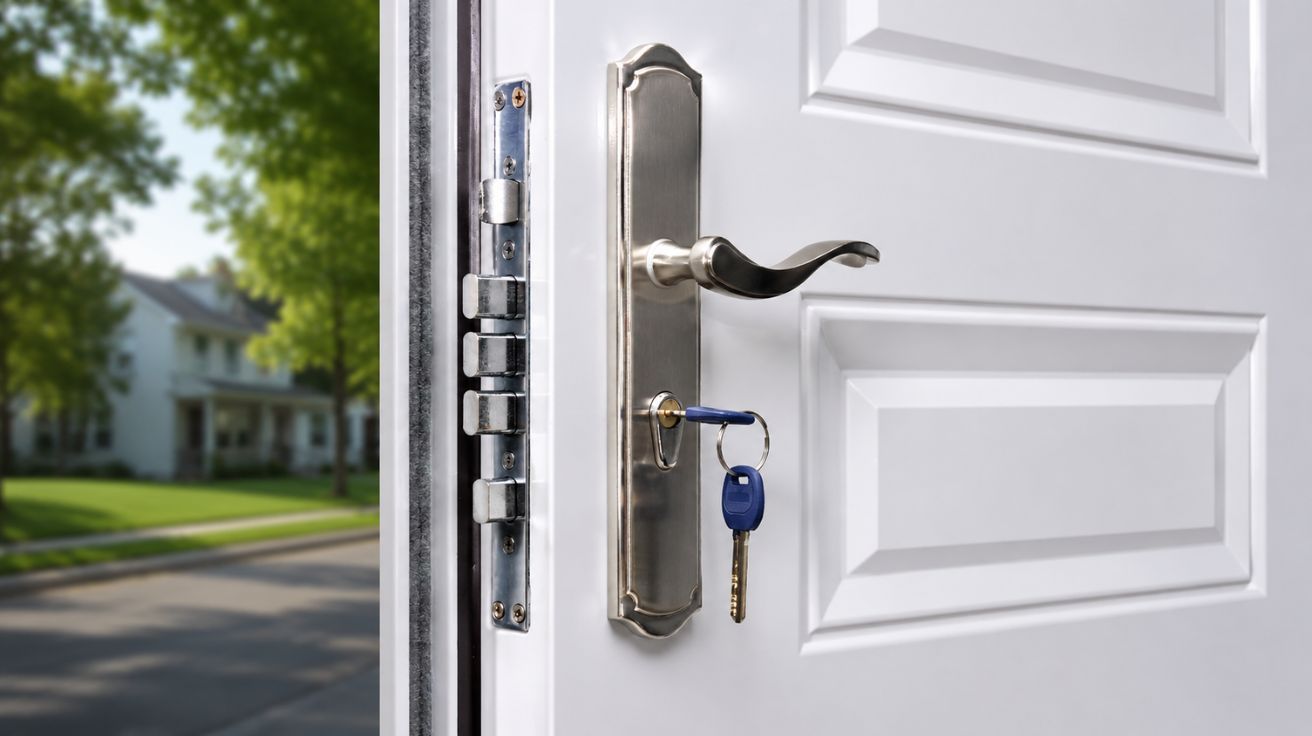
Multipoint locks are designed to secure a door at multiple positions along the frame, typically using a central gearbox combined with additional locking points such as hooks, bolts, or rollers. This design distributes force evenly across the door, making it far more resistant to forced entry compared to single-point locks.
According to leading hardware experts, Locksandhardware, industry data suggests that over 70% of newly installed external doors in the UK now feature multipoint locking systems. This trend reflects both manufacturer standards and growing consumer awareness. Homeowners are no longer satisfied with basic security and are increasingly looking for solutions that provide enhanced protection and durability.
A professional locksmith will often recommend upgrading to a multipoint lock as one of the most effective ways to improve door security. This is because these systems address the core weakness of traditional locks: the concentration of force in a single area.
Understanding How Multipoint Locks Work
At the heart of every multipoint lock is a central gearbox, which is operated by lifting the handle or turning the key. When activated, this gearbox engages multiple locking points along the length of the door. These points are designed to interact with corresponding keeps in the door frame, securing the door tightly in place.
The most common locking points include hook bolts, deadbolts, and roller cams. Hook bolts are particularly effective because they latch into the frame in a way that resists pulling or levering. Deadbolts provide a solid, straightforward locking mechanism, while roller cams help compress the door against the frame, improving both security and weather sealing.
The combination of these elements creates a system that not only enhances security but also improves the overall stability of the door. When properly installed, a multipoint lock ensures that the door is held firmly in position, reducing movement and wear over time.
Types Of Multipoint Locking Systems And Their Applications
Multipoint locks are available in several different configurations, each suited to specific types of doors and usage requirements. Choosing the right type is essential for achieving the best performance.
- Hook lock systems are widely regarded as one of the most secure options. These systems use hook-shaped bolts that engage deeply into the frame, making it extremely difficult to force the door open. They are commonly used on external doors where security is a top priority.
- Deadbolt multipoint systems rely on straight bolts that extend into the frame. While they may not offer the same level of resistance as hook locks, they provide a familiar and reliable locking action that many users prefer.
- Roller cam systems are designed with ease of use in mind. They are often found on doors where smooth operation and weather sealing are important. While they may not provide the same level of security as hook or deadbolt systems, they can be combined with other locking points to create a balanced solution.
A locksmith will typically assess factors such as door material, frequency of use, and security requirements before recommending a specific type of multipoint lock.
Installation Methods And Why Precision Matters
Installing a multipoint lock is a precise process that requires careful attention to detail. Unlike traditional locks, which only need to align at a single point, multipoint systems must align perfectly along the entire length of the door.
The installation process usually involves removing the existing locking strip, fitting the new mechanism, and adjusting the keeps in the frame. The door itself may also need to be adjusted to ensure proper alignment.
Even a small misalignment can cause significant issues. For example, if the locking points do not line up correctly with the frame, the handle may become stiff or difficult to operate. Over time, this can lead to increased wear and eventual failure of the system.
This is why professional installation by a locksmith is strongly recommended. A locksmith has the tools and expertise to ensure that the lock is fitted correctly and operates smoothly.
Real-World Performance And Security Benefits
Multipoint locks offer several advantages in real-world scenarios. By securing the door at multiple points, they make it much more difficult for intruders to apply force effectively. Instead of targeting a single weak point, an intruder would need to overcome several locking points simultaneously.
Research indicates that doors fitted with multipoint locking systems are up to 60% more resistant to forced entry compared to those with traditional locks. This increased resistance can act as a deterrent, as intruders are more likely to target properties with weaker security.
In addition to security, multipoint locks also improve the overall performance of the door. By holding the door tightly against the frame, they reduce movement and help maintain alignment. This can prevent common issues such as drafts, rattling, and difficulty closing the door.
Maintenance And Long-Term Reliability
Like any mechanical system, multipoint locks require regular maintenance to ensure long-term reliability. This includes cleaning the locking strip, applying appropriate lubrication, and checking for signs of wear.
A locksmith will often recommend periodic inspections to identify potential issues before they become serious. Common signs of wear include stiffness when operating the handle, difficulty locking the door, and visible misalignment.
Proper maintenance not only extends the lifespan of the lock but also ensures that it continues to provide effective security.
Common Mistakes To Avoid
One of the most common mistakes homeowners make is attempting to force a stiff multipoint lock. This can cause damage to the internal mechanism and lead to costly repairs.
Another mistake is ignoring early warning signs such as difficulty locking or unlocking the door. These issues are often caused by alignment problems or worn components and can usually be resolved quickly if addressed early.
A locksmith can diagnose these problems and recommend the most effective solution, whether it involves adjustment, repair, or replacement.
Conclusion
Multipoint locks have become the standard for modern door security due to their ability to provide enhanced protection, improved performance, and long-term reliability. By securing the door at multiple points, they offer a level of resistance that traditional locks simply cannot match.
Choosing the right type of multipoint lock and ensuring proper installation are essential for achieving the best results. With the guidance of a professional locksmith and regular maintenance, these systems can provide reliable security for many years.
Read More: Personalised Baby Blanket: Unique & Thoughtful Baby Gifts UK


Leave a Comment