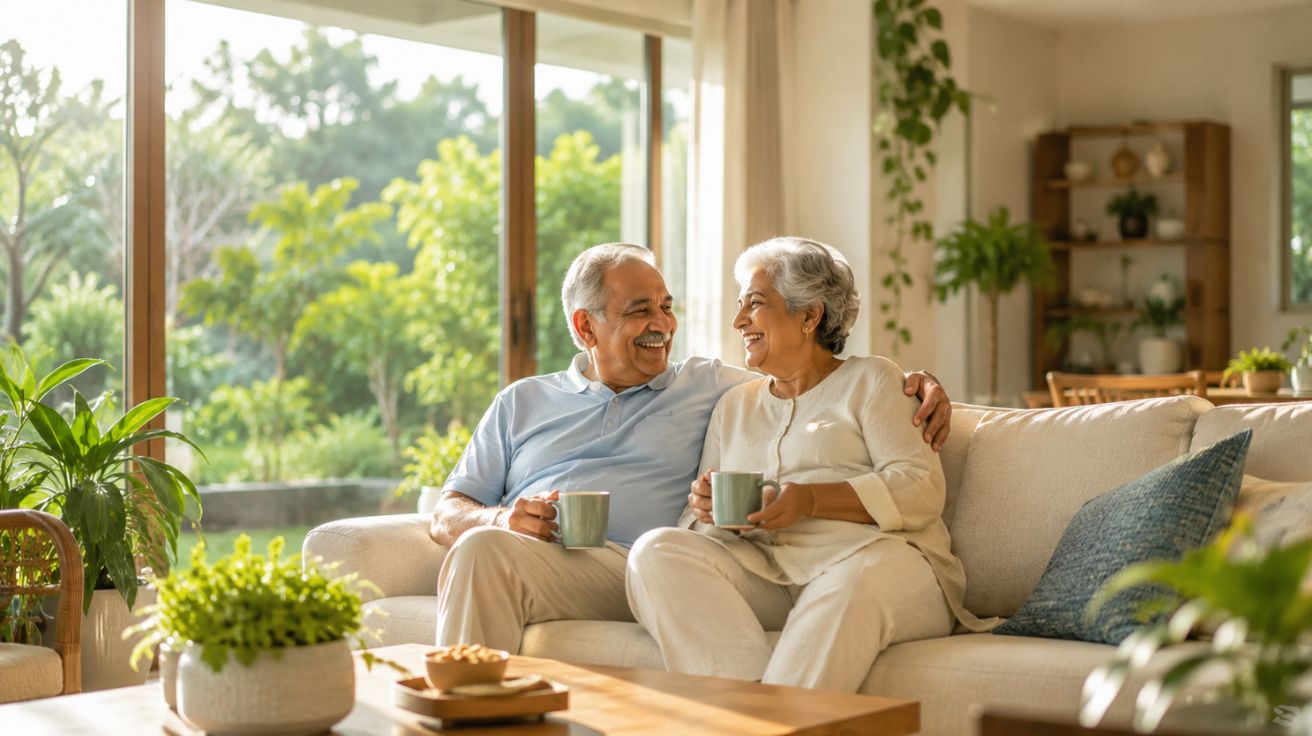

Healthy ageing is no longer only about diet plans and fitness routines. The environment you live in every day also plays a major role in long-term well-being. From indoor air quality and hydration to sleep quality and mobility, your home can either support or limit healthy ageing.
Many adults today want to “age in place,” meaning they prefer staying comfortable and independent in their own homes as they grow older. Health experts continue to highlight the importance of creating safer, healthier living environments that support physical and mental well-being.
The good news is that small home wellness improvements can make a noticeable difference over time. Here are practical and realistic ways to create a healthier home environment that supports healthy ageing naturally.
Improve Indoor Air Quality for Better Respiratory Health
Indoor air quality has a direct impact on overall wellness, especially for older adults. Dust, allergens, mould spores, pet dander, and airborne pollutants can affect breathing, sleep quality, and energy levels.
Poor ventilation may also increase irritation for people dealing with allergies, asthma, or respiratory sensitivity. Creating a cleaner indoor environment supports healthier breathing and a more comfortable home atmosphere.
Simple ways to improve air quality include:
- Using HEPA air purifiers
- Opening windows for ventilation
- Replacing HVAC filters regularly
- Controlling humidity levels
- Reducing harsh chemical cleaners
- Preventing mould buildup in bathrooms and kitchens
Adding indoor plants and limiting synthetic fragrances can also help create a fresher living space.
Create a Safer Home Environment to Support Independence
One of the biggest concerns associated with ageing is the risk of falls and injuries at home. According to health organisations, mobility-friendly home modifications can significantly improve safety and independence.
Many accidents happen in bathrooms, stairways, and poorly lit areas. Making practical adjustments early can help create a safer home for long-term living.
Helpful home safety upgrades include:
- Installing grab bars in bathrooms
- Improving hallway and stair lighting
- Using non-slip flooring
- Removing loose rugs and clutter
- Adding handrails on staircases
- Choosing ergonomic furniture with better support
Walk-in showers and accessible storage solutions can also make daily routines easier and more comfortable.
Prioritise Better Sleep and Stress Management
Sleep quality naturally changes with age, making restorative sleep increasingly important for healthy ageing. Poor sleep can affect concentration, mood, immune function, and overall energy levels.
Creating a calming bedroom environment can improve sleep hygiene and help reduce stress. Helpful sleep wellness habits include:
- Keeping bedrooms cool and quiet
- Limiting blue light before bedtime
- Using blackout curtains
- Maintaining consistent sleep schedules
- Reducing evening caffeine intake
- Creating relaxing nighttime routines
Natural lighting during the daytime also helps regulate circadian rhythm and improve sleep cycles.
Maintain Better Hydration and Improve Water Quality
Hydration is essential for healthy ageing. Water supports digestion, skin health, circulation, cognitive function, and joint comfort. However, many homeowners overlook how water quality affects daily wellness and household comfort.
Hard water is a common issue in many UK homes. Excess minerals like calcium and magnesium can contribute to limescale buildup on taps, appliances, showerheads, and pipes. Hard water may also leave skin and hair feeling dry after bathing.
A professional homeowners choose solution, Harvey Water Softeners, improves water quality, reduces limescale buildup, and creates a more comfortable home environment.
Softened water may help with:
- Gentler bathing experiences
- Cleaner bathrooms and kitchens
- Reduced appliance scaling
- Easier cleaning routines
- Improved water flow efficiency
Better hydration habits also support healthy ageing. Keeping reusable water bottles nearby and drinking water consistently throughout the day can support energy levels and overall wellness.
Encourage Daily Movement Through Functional Home Design
Staying physically active supports mobility, balance, flexibility, and cardiovascular health. Sedentary lifestyles can accelerate physical decline and reduce muscle strength over time. Your home setup can either encourage movement or contribute to inactivity.
Simple ways to promote movement at home include:
- Creating open walking spaces
- Adding a stretching or yoga area
- Using standing desks occasionally
- Incorporating ergonomic seating
- Spending time in outdoor gardens or patios
- Keeping exercise equipment accessible
Health experts consistently recommend regular physical activity as part of healthy ageing and long-term well-being.
Support Mental Wellness and Cognitive Health
Healthy ageing also involves emotional and cognitive well-being. Isolation, stress, and lack of mental stimulation can negatively affect overall health. Creating a wellness-focused home environment can help support mental clarity and emotional balance.
Helpful habits include:
- Maintaining social connections
- Reading regularly
- Engaging in hobbies
- Spending time outdoors
- Practicing mindfulness
- Keeping organised living spaces
Natural light exposure can also positively influence mood and mental health.
Build Consistent Wellness Routines That Support Healthy Ageing
Healthy ageing is usually the result of small, consistent habits rather than dramatic lifestyle changes. Simple routines can create long-term benefits for physical and emotional strength. Focus on habits like:
- Staying hydrated
- Getting quality sleep
- Maintaining daily movement
- Keeping regular meal schedules
- Managing stress levels
- Creating organised living spaces
Preventive wellness habits help support independence, comfort, and quality of life over time.
As more people choose ageing in place, creating a wellness-focused home is becoming an important part of maintaining independence for others to come.
Read More: The Hidden Link: How Oral Health Predicts Overall Wellness


Leave a Comment